In today's fast-paced logistics and supply chain industry, accurate weighing is essential for efficient warehouse operations. Whether you're shipping pallets, receiving inventory, or managing freight costs, choosing the right freight scale can significantly improve productivity while reducing costly errors.
From warehouses and distribution centres to manufacturing plants and freight terminals, freight scales help businesses ensure accurate weight measurements for shipping compliance, inventory management, and billing accuracy.
Why Is a Freight Scale Important?
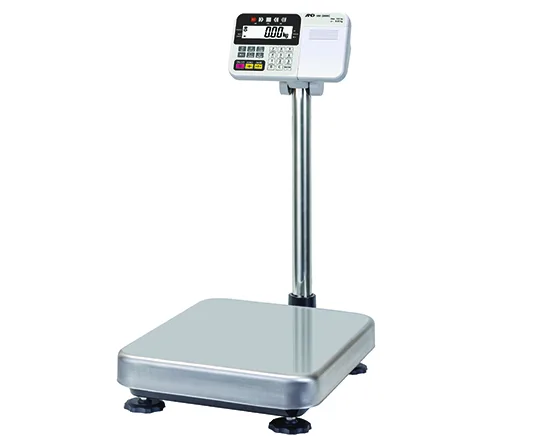
A freight scale is designed to weigh heavy loads such as pallets, crates, cartons, drums, and shipping containers. Unlike standard industrial scales, freight scales are built to handle high capacities while delivering reliable accuracy in demanding warehouse environments.
Using the correct freight scale helps businesses:
- Reduce shipping cost errors
- Improve inventory accuracy
- Prevent overloaded shipments
- Speed up warehouse operations
- Minimise manual handling
- Ensure compliance with freight carrier requirements
For businesses that ship products daily, accurate weighing directly impacts operational efficiency and profitability.
What Should You Consider When Choosing a Freight Scale?
The ideal freight scale depends on your warehouse layout, shipment sizes, and operational requirements. Here are the most important factors to evaluate.
1. Determine Your Maximum Weighing Capacity
The first consideration is the weight of the products you regularly handle.
Common freight scale capacities include:
ApplicationTypical CapacitySmall warehouse parcels300–600 kgGeneral warehouse freight1,000–2,000 kgHeavy pallets2,500–3,000 kgIndustrial freight5,000 kg and aboveAvoid selecting a scale that operates near its maximum capacity every day. Choosing a slightly higher capacity extends equipment lifespan and maintains weighing accuracy.
Ask Yourself
- What is the heaviest pallet you typically ship?
- Will your business grow over the next few years?
- Do you occasionally weigh oversized freight?
Planning for future requirements helps avoid replacing equipment too soon.
2. Choose the Right Freight Scale Type
Different warehouse operations require different scale designs.
Pallet Scales
Ideal for:
- Warehouses
- Distribution centres
- Manufacturing facilities
Pallet scales allow forklift or pallet jack loading while providing fast, accurate weighing.
Best for:
- Palletised goods
- Receiving docks
- Dispatch areas
Floor Scales
Designed for heavier loads that need maximum stability.
Suitable for:
- Bulk freight
- Industrial equipment
- Large shipping containers
Their low-profile design allows easy loading with pallet jacks.
Bench Freight Scales
Perfect for smaller shipping operations handling:
- Boxes
- Parcels
- Cartons
- Courier shipments
Often used in e-commerce fulfilment centres.
Portable Freight Scales
Portable models provide flexibility for businesses with multiple weighing locations.
Ideal for:
- Temporary workstations
- Mobile logistics
- Freight inspections
3. Accuracy and Resolution Matter
Accurate weight measurements prevent costly shipping discrepancies.
Even small weighing errors can result in:
- Carrier surcharge fees
- Incorrect freight invoices
- Inventory inaccuracies
- Customer disputes
Look for freight scales offering:
- Stable readings
- Fast response times
- High repeatability
- Appropriate resolution for your application
The right balance between capacity and precision ensures reliable performance across all freight sizes.
4. Consider Platform Size
A freight scale should comfortably accommodate your largest shipments.
Platform size affects:
- Loading efficiency
- Worker safety
- Weighing accuracy
For example:
- Small cartons require compact platforms.
- Large pallets need wider platforms.
- Oversized freight requires heavy-duty industrial platforms.
Selecting an undersized platform slows operations and increases handling risks.
5. Evaluate Warehouse Environment
Warehouse conditions vary significantly.
Your freight scale should withstand:
- Dust
- Dirt
- Forklift traffic
- Heavy impacts
- Moisture
- Daily cleaning
Look for features such as:
- Heavy-duty steel construction
- Powder-coated finish
- Stainless steel options
- Shock-resistant load cells
- Non-slip platform surface
A durable scale delivers years of dependable performance even in demanding environments.
6. Connectivity and System Integration
Modern warehouses increasingly rely on automated data collection.
Many freight scales now integrate with:
- Warehouse Management Systems (WMS)
- Enterprise Resource Planning (ERP) software
- Shipping software
- Barcode scanners
- Label printers
- Inventory management systems
Connectivity options may include:
- USB
- RS232
- Ethernet
- Bluetooth
- Wi-Fi
Automatic weight transfer reduces manual entry errors and speeds up shipping processes.
7. Mobility Requirements
Not every warehouse has a permanent weighing station.
If freight is weighed across multiple locations, consider:
- Portable floor scales
- Wireless indicators
- Rechargeable battery operation
- Integrated carrying handles
Portable freight scales increase flexibility without sacrificing accuracy.
8. Legal-for-Trade Approval
If your business charges customers based on weight or sells products by weight, consider purchasing a legal-for-trade certified freight scale.
Legal-for-trade approval helps ensure:
- Regulatory compliance
- Accurate commercial transactions
- Customer confidence
- Inspection readiness
Always verify local measurement requirements before purchasing.
Additional Features Worth Considering
Depending on your operation, additional features may improve productivity.
Useful options include:
- Check weighing
- Dynamic weighing
- Overload protection
- Large backlit display
- Rechargeable battery
- Multiple weighing units
- Remote display indicators
- Tare function
These features help operators work more efficiently while reducing weighing errors.
Common Mistakes When Buying a Freight Scale
Many businesses purchase scales based solely on price.
Avoid these common mistakes:
- Choosing insufficient weighing capacity
- Ignoring future warehouse growth
- Buying platforms that are too small
- Overlooking connectivity requirements
- Selecting indoor models for outdoor use
- Forgetting maintenance and calibration needs
Considering your long-term operational needs delivers better return on investment.
Frequently Asked Questions
What capacity freight scale does most warehouses need?
Most warehouses use freight scales with capacities between 1,000 kg and 3,000 kg, depending on the size and weight of the products being handled.
What is the difference between a pallet scale and a floor scale?
A pallet scale is designed for quick weighing of palletised goods using pallet jacks, while a floor scale typically offers a larger platform and higher capacity for heavier industrial loads.
Are freight scales accurate enough for shipping?
Yes. High-quality freight scales provide accurate, repeatable measurements that help ensure correct shipping charges, inventory records, and operational efficiency.
Can freight scales connect to warehouse software?
Many modern freight scales support USB, Ethernet, Bluetooth, RS232, or Wi-Fi connectivity, allowing seamless integration with warehouse management and shipping systems.
How often should a freight scale be calibrated?
Calibration frequency depends on usage, but commercial warehouses should follow manufacturer recommendations and industry regulations to maintain accuracy and compliance.
Conclusion
Choosing the right freight scale is about more than measuring weight—it's about improving warehouse productivity, reducing shipping costs, and maintaining operational accuracy.
When evaluating freight scales, prioritise:
- Appropriate weighing capacity
- The right scale type for your workflow
- High accuracy and repeatability
- Durable construction for demanding environments
- Suitable platform size
- Software connectivity and integration
- Mobility, where required
- Legal-for-trade certification if applicable
By investing in a freight scale that aligns with your warehouse operations and future growth, you can streamline shipping processes, minimise errors, improve inventory management, and enhance customer satisfaction. Whether you operate a distribution centre, manufacturing facility, or logistics warehouse, the right freight scale is a valuable investment that supports efficient, accurate, and reliable freight handling every day.