As electricity prices continue to rise across Australia, more homeowners are investing in renewable energy solutions to reduce long-term power costs. Choosing the right solar system can feel overwhelming for beginners, especially with so many brands, technologies, and installation options available. Understanding how to select the best solar power panels for home use can help you maximise savings, improve energy efficiency, and increase your property value.
Why More Australians Are Installing Solar Panels
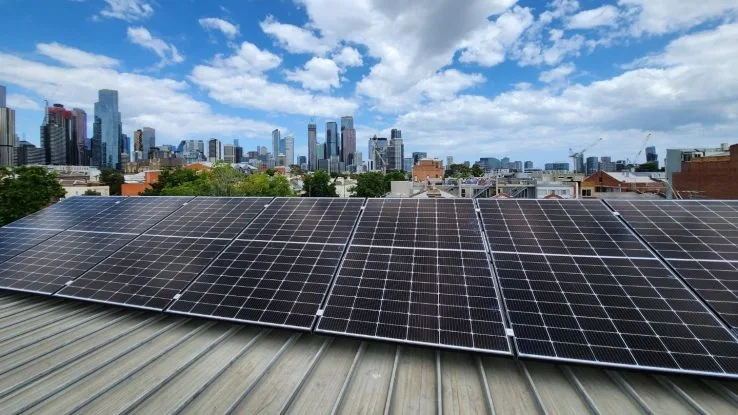
Solar energy has become one of the most reliable and cost-effective renewable energy solutions for Australian households. Modern solar systems allow homeowners to generate clean electricity from sunlight, reducing dependence on traditional energy providers.
Benefits of installing solar power panels for home use include:
- Lower electricity bills
- Reduced carbon footprint
- Increased home value
- Energy independence
- Access to government rebates and incentives
With Melbourne receiving sufficient sunlight throughout the year, solar panels remain highly effective even during cooler or cloudy conditions.
Understand Your Home’s Energy Needs
Before choosing a solar system, it is important to understand how much electricity your household uses daily.
Review your electricity bills to identify:
- Average energy consumption
- Peak usage times
- Seasonal energy changes
A family with high daytime electricity usage may benefit from a larger solar system, while smaller households may only require a basic setup.
Professional providers of solar panel installation services in Melbourne can assess your energy requirements and recommend the ideal system size for your home.
Different Types of Solar Panels
Understanding the main types of solar panels can help you make a more informed decision.
Monocrystalline Solar Panels
Monocrystalline panels are made from a single silicon crystal and are known for their high efficiency and sleek appearance.
Benefits:
- Higher efficiency rates
- Better performance in limited space
- Longer lifespan
- Modern black aesthetic
Best For:
Homeowners looking for premium solar power panels for home installations with maximum efficiency.
Polycrystalline Solar Panels
Polycrystalline panels are manufactured using multiple silicon fragments.
Benefits:
- More affordable
- Reliable performance
- Lower production costs
Best For:
Budget-conscious homeowners who still want dependable solar performance.
Thin-Film Solar Panels
Thin-film panels are lightweight and flexible but generally less efficient than crystalline panels.
Benefits:
- Lightweight design
- Flexible applications
- Easier installation on certain surfaces
Best For:
Commercial projects or homes with unique roof designs.
Choose the Right Solar Panel Efficiency
Solar panel efficiency measures how effectively panels convert sunlight into electricity. Higher efficiency panels generate more power using less roof space.
Most residential solar panels range from 15% to 23% efficiency.
High-efficiency panels are ideal for:
- Smaller roofs
- Homes with shading issues
- Households with higher energy needs
While premium panels may cost more initially, they often deliver better long-term savings.
Consider the Quality of the Inverter
The inverter is one of the most important components of a solar system. It converts solar-generated direct current (DC) electricity into usable alternating current (AC) electricity for your home.
Common inverter types include:
String Inverters
Suitable for homes with minimal shading and consistent roof angles.
Microinverters
Installed on each panel individually, improving performance when shading occurs.
Hybrid Inverters
Designed for systems with battery storage compatibility.
Reliable solar panel installation Melbourne providers will recommend the best inverter type based on your roof design and energy goals.
Assess Your Roof Condition and Orientation
Not every roof performs the same when it comes to solar energy generation.
Roof Direction
In Australia, north-facing roofs generally produce the highest solar output. However, east- and west-facing roofs can still perform effectively.
Roof Angle
The ideal roof tilt for solar panels is usually between 20 and 30 degrees.
Roof Material
Most roofing materials support solar installation, including:
- Tile roofs
- Metal roofs
- Colorbond roofing
If your roof is old or damaged, repairs should be completed before installation.
Understand Solar Panel Warranties
High-quality solar power panels for home use should come with strong warranties for peace of mind.
There are typically two types of warranties:
Product Warranty
Covers manufacturing defects and equipment issues.
Performance Warranty
Guarantees the panel will maintain a certain level of energy production over time.
Many premium solar panels include:
- 25-year performance warranties
- 10–25-year product warranties
Longer warranties often indicate better product quality and manufacturer confidence.
Consider Adding Solar Battery Storage
Solar batteries allow homeowners to store excess solar energy for later use, especially during evenings or blackouts.
Benefits of battery storage include:
- Greater energy independence
- Reduced grid reliance
- Backup power protection
- Increased long-term savings
Popular battery options include:
- Tesla Powerwall
- Sungrow batteries
- BYD battery systems
Although batteries increase upfront costs, they can significantly improve the efficiency of your solar energy system.
Understand Installation Costs
The cost of solar panel installation Melbourne homeowners pay depends on several factors, including:
- System size
- Panel quality
- Inverter type
- Roof complexity
- Battery inclusion
Average residential system costs after rebates may include:
System SizeEstimated Cost3kW$3,000–$5,0005kW$4,500–$7,0006.6kW$5,000–$9,00010kW$8,000–$14,000Cheaper systems are not always the best value. Investing in quality components and professional installation can prevent expensive repairs and poor performance later.
Look for Government Rebates and Incentives
Australian homeowners may be eligible for government incentives that reduce solar installation costs.
In Victoria, eligible homeowners can access:
- Solar rebates
- Interest-free loans
- Feed-in tariffs
Feed-in tariffs allow households to earn credits for exporting unused solar electricity back to the grid.
A qualified installer can help explain available rebate programs and application processes.
Choose a Trusted Solar Installer
Even the best solar panels will not perform properly if installed incorrectly.
When selecting a solar company, look for:
- Clean Energy Council (CEC) accreditation
- Strong customer reviews
- Transparent pricing
- Detailed written quotes
- Comprehensive warranties
- After-sales support
Experienced solar panel installation Melbourne specialists understand local regulations, weather conditions, and energy requirements.
Common Mistakes to Avoid
Many homeowners make avoidable mistakes during the solar buying process.
Focusing Only on Price
Low-cost systems may compromise quality, efficiency, and durability.
Choosing the Wrong System Size
An undersized system may not meet your energy needs, while an oversized system may increase unnecessary costs.
Ignoring Future Energy Usage
Consider future needs such as:
- Electric vehicles
- Home extensions
- Battery upgrades
Not Researching Installers
Always compare multiple quotes and verify installer credentials.
Final Thoughts
Choosing the best solar power panels for home use requires careful consideration of panel quality, efficiency, warranties, roof suitability, and installation expertise. Investing in a high-quality solar system can significantly reduce energy costs while improving your home’s sustainability and value.
Working with professional providers of solar panel installation Melbourne services ensures your system is designed and installed for maximum long-term performance. By understanding your energy needs and comparing options carefully, you can confidently choose a solar solution that delivers reliable savings for years to come.