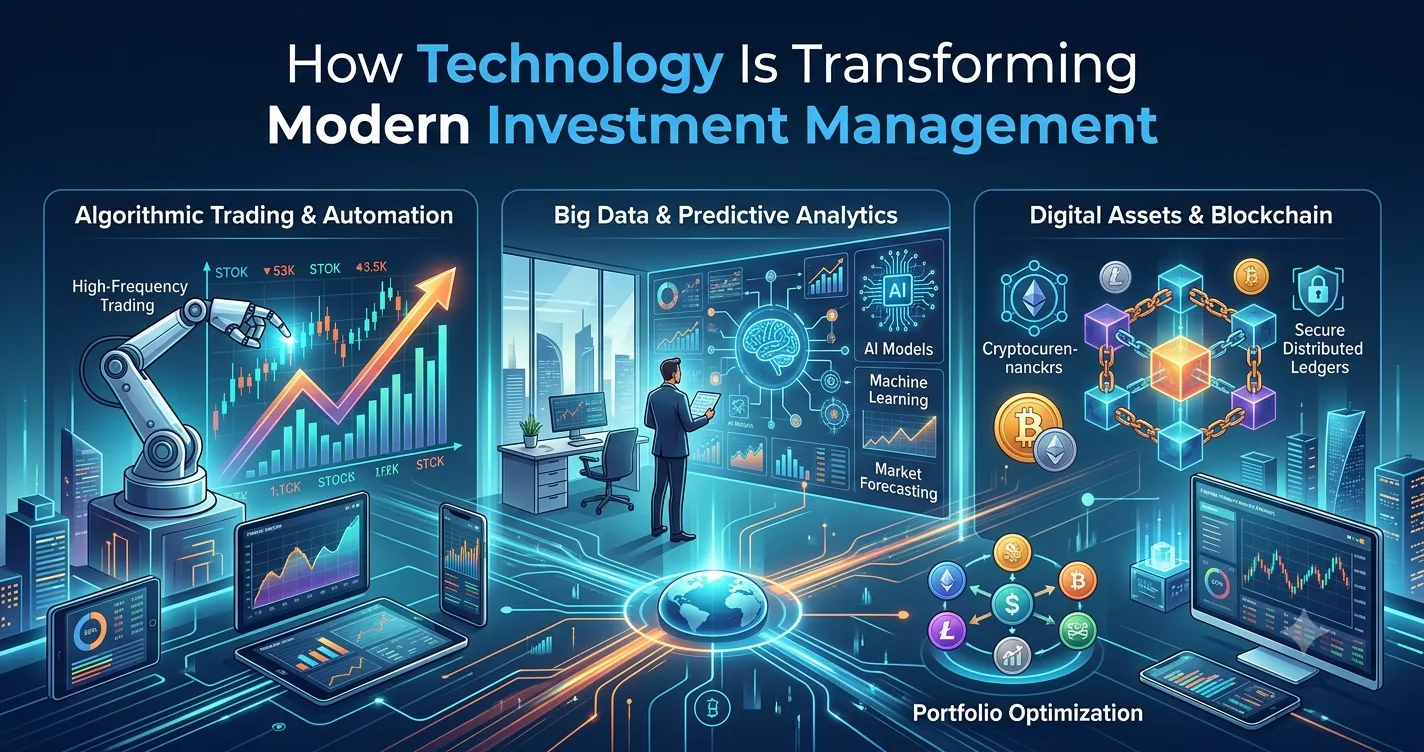
Investment management has become increasingly data-driven. Asset managers today handle large volumes of information across deals, portfolios, valuations, investor communications, compliance requirements, and reporting. Managing these activities through disconnected spreadsheets and manual processes can create unnecessary complexity and increase the risk of errors.
This is why modern investment firms are turning toward digital platforms that bring important investment data and workflows together.
The Need for Better Investment Management
Investment managers need accurate and timely information to make informed decisions. When portfolio data is spread across multiple systems, teams may spend considerable time reconciling information before they can actually analyze it.
A centralized investment management platform can help create a more consistent source of information. Instead of maintaining separate records for different functions, firms can connect deal management, portfolio monitoring, valuations, investor relations, and reporting within a unified environment.
This approach can also make collaboration easier. Different teams can work with the same underlying information while reducing repetitive data entry and manual updates.
Streamlining the Investment Lifecycle
Technology can support investment activities from the initial evaluation of an opportunity through ongoing portfolio management. Deal information can be captured systematically, while portfolio and asset data can be maintained as investments evolve.
For firms managing alternative assets, having technology designed around complex investment workflows can be particularly valuable. Platforms such as investment management software from Pepper are designed to connect functions including deal management, portfolio management, valuations, investor relations, and reporting.
A connected system can reduce the need to move information manually between spreadsheets and separate applications. It can also provide dashboards and analytics that help investment professionals access relevant information more efficiently.
Improving Reporting and Transparency
Reporting is another area where technology can make a significant difference. Investors and internal stakeholders increasingly expect accurate information and timely updates.
When reporting processes are connected directly to underlying portfolio data, teams can reduce repetitive preparation work and improve consistency. Investment platforms can also support investor dashboards, analytics, and internal or external reporting requirements.
Looking Ahead
The future of investment management will likely involve greater automation, connected data, cloud-based infrastructure, and intelligent analytics. However, technology should not simply add another layer to an already complicated workflow. The real value comes from creating an integrated environment where information can move smoothly across the investment lifecycle.
For asset managers, choosing the right technology can therefore be an important operational decision. A platform that combines investment data, workflows, reporting, and analytics can help teams spend less time managing information and more time using it to support better investment decisions.