
The Vital Spark: How Medical Research Shapes Human Health
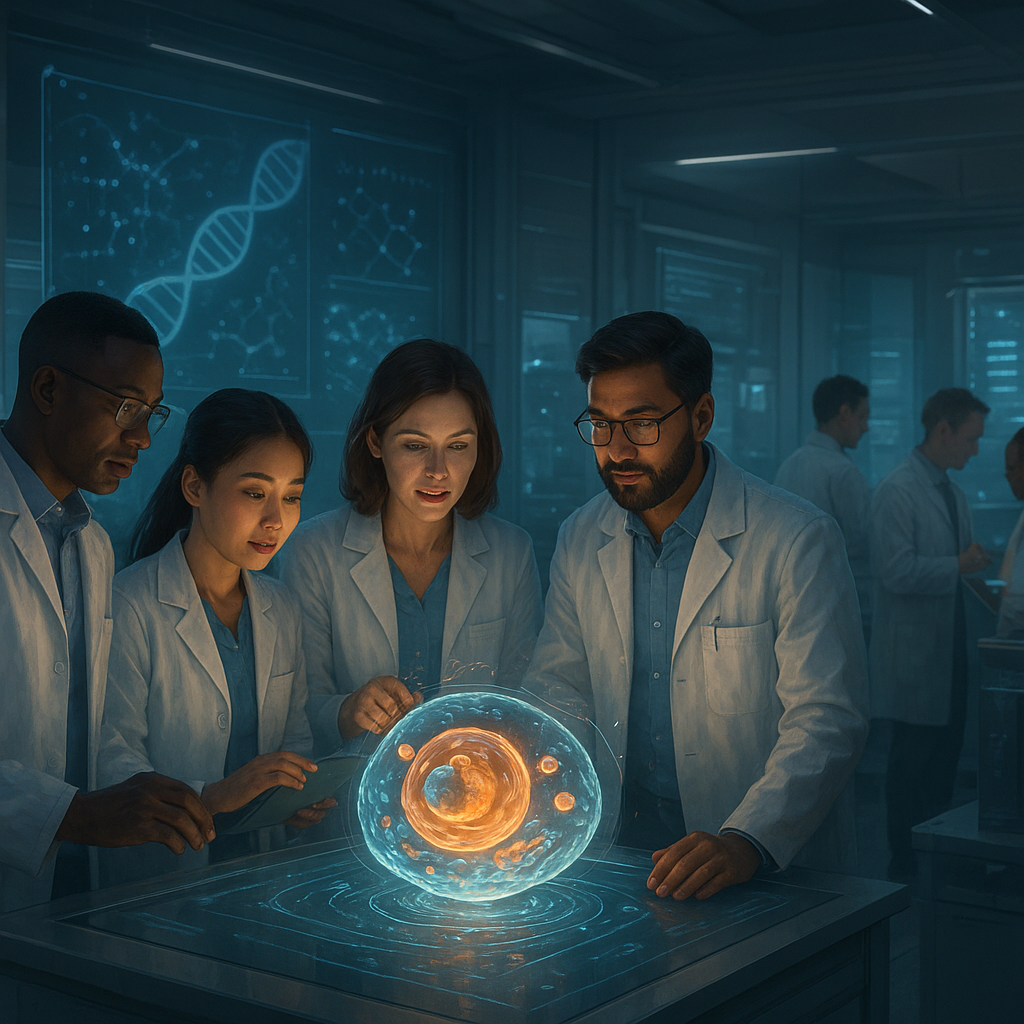
On a brisk morning in early 2026, a team at the National Institute of Health unveiled a new therapeutic approach that could redefine treatment for autoimmune diseases. This breakthrough, leveraging cutting-edge gene editing combined with AI-driven biomarker discovery, is emblematic of the profound transformations medical research continues to inspire. The power of medical research lies not only in these headline-grabbing discoveries but also in its incremental, rigorous pursuit of knowledge that underpins every advance in health and wellness.
Medical research encompasses a broad spectrum of investigations—from molecular biology to clinical trials—that collectively fuel progress against countless diseases. The stakes are immense: every year, millions worldwide face illnesses that remain poorly understood or untreatable. Yet, due to decades of sustained research efforts, survival rates for cancers, cardiovascular diseases, and infectious pathogens have steadily improved. Understanding this intricate ecosystem of medical research, how it has evolved, and where it is headed is essential for grasping the future of healthcare.
“Medical research is the engine that transforms scientific curiosity into life-saving treatments and preventive strategies.” – Dr. Helena Marks, Director of Translational Medicine, NIH
Tracing the Trajectory: From Early Discoveries to Today’s Complex Landscape
The journey of medical research is a story of relentless innovation, collaboration, and sometimes paradigm shifts. It began centuries ago with observational studies and rudimentary experiments but accelerated exponentially in the 20th century. Discoveries such as the structure of DNA in 1953 laid the foundation for molecular genetics, fundamentally changing how diseases are understood and targeted.
Subsequent decades witnessed the rise of randomized controlled trials as the gold standard for evaluating new treatments, establishing rigorous methodologies that underpin evidence-based medicine. The Human Genome Project, completed in 2003, catalyzed a new era of personalized medicine by mapping the blueprint of human life. These milestones paved the way for today’s multidisciplinary research that integrates genomics, proteomics, bioinformatics, and clinical data.
Moreover, the global response to the COVID-19 pandemic from 2020 to 2023 showcased how rapid collaboration and adaptive trial designs could shorten timelines for vaccine and therapeutic development, setting new expectations for medical research agility.
- 1900s: Introduction of vaccines and antibiotics revolutionizes infectious disease control.
- 1950s-70s: Molecular biology breakthroughs enable targeted therapies.
- 2000s: Genomic sequencing drives personalized treatment strategies.
- 2020s: AI and machine learning accelerate drug discovery and diagnostics.
Decoding the Data: Current Advances and Quantifiable Impact in 2026
Data from leading health organizations reveal that medical research funding worldwide exceeds $250 billion annually, with a significant share dedicated to chronic diseases, cancer, neurodegenerative disorders, and emerging infectious threats. Recent studies highlight that the average time from drug discovery to market approval has shortened by 20% compared to a decade ago, partly due to innovations in trial design and regulatory science.
The advent of AI-powered platforms now allows researchers to analyze vast datasets from electronic health records, biobanks, and wearable devices, unearthing patterns previously inaccessible. This integration is transforming precision medicine, enabling interventions tailored to an individual's genetic makeup and lifestyle.
For example, in oncology, multi-omics profiling combined with AI-driven predictive models has improved remission rates by up to 15% in certain aggressive cancers, according to a 2025 meta-analysis published in The Lancet Oncology.
Simultaneously, advances in immunotherapy and gene editing (notably CRISPR-Cas9 and its successors) are yielding promising clinical trial results for conditions once deemed incurable, such as sickle cell anemia and certain neuromuscular disorders.
“The convergence of computational power with biological insight is unlocking therapeutic possibilities unimaginable even five years ago.” – Dr. Miguel Alvarez, Chief Scientific Officer, Genomic Health Innovations
- 35% increase in funding for neurodegenerative disease research since 2023.
- 20% reduction in clinical trial timelines due to adaptive designs.
- 15% improvement in remission rates for select cancers with AI-guided therapies.
- 10+ gene-editing therapies in late-stage clinical trials as of mid-2026.
2026’s Horizon: Emerging Trends and Technologies Reshaping Medical Research
The current year marks a pivotal phase where several emerging technologies and strategic shifts are reconfiguring medical research paradigms. Foremost among these is the broad adoption of decentralized clinical trials, which leverage telemedicine and remote monitoring to recruit diverse patient populations more efficiently and inclusively. This shift addresses long-standing challenges related to representation and access in clinical research.
Furthermore, quantum computing, though nascent, is beginning to influence molecular simulations, potentially accelerating drug design by orders of magnitude. Simultaneously, the field of synthetic biology is enabling the engineering of bespoke biological systems capable of producing novel therapeutics and diagnostic tools.
On the regulatory front, agencies worldwide are increasingly embracing real-world evidence and adaptive approvals to expedite access to breakthrough therapies while maintaining safety standards. This regulatory innovation is crucial given the rapid pace of scientific discovery.
Another significant trend is the growing emphasis on global health equity in research agendas, with more collaborative projects focusing on diseases disproportionately affecting low- and middle-income countries.
- Decentralized trials increased by 40% in 2026 compared to 2024.
- Quantum computing partnerships initiated by 15 major pharma companies.
- Regulatory bodies adopting adaptive approval pathways in over 30 countries.
- Global research consortia formed to tackle neglected tropical diseases.
Voices from the Field: Insights from Leading Experts and Industry Leaders
To understand the pulse of medical research today, we engaged with several thought leaders driving the field’s evolution. Dr. Helena Marks from NIH emphasized the critical role of interdisciplinary collaboration: "Integrating AI, genomics, and clinical expertise is no longer optional but essential to tackle complex diseases effectively." Her views echo a broader consensus that the siloed approaches of the past are giving way to networked innovation ecosystems.
Meanwhile, industry executives highlight the importance of patient-centric approaches. Sarah Nguyen, CEO of BioNext Therapeutics, noted, "Empowering patients through digital tools and real-time data sharing enhances trial participation and outcomes, making research more responsive and humane."
Experts also underscore the ethical dimensions of novel technologies. As gene editing advances, robust frameworks are necessary to balance innovation with societal values and safety.
“The future of medical research depends on harmonizing cutting-edge science with ethical stewardship and patient engagement.” – Sarah Nguyen, CEO, BioNext Therapeutics
“Collaborative networks and open data sharing will be the backbone of tomorrow’s medical breakthroughs.” – Dr. Helena Marks, NIH
Looking Ahead: What Medical Research’s Future Holds for Health and Wellness
As we peer into the next decade, medical research promises to become even more dynamic, patient-focused, and technology-driven. Key areas to watch include the rise of integrative approaches combining genomics, microbiome science, and environmental data to unravel the complexities of chronic diseases.
Additionally, the maturation of AI will likely enable fully automated drug discovery pipelines, reducing costs and accelerating timelines further, potentially democratizing access to new treatments globally.
However, these advances will require sustained investment, international cooperation, and vigilant ethical oversight. Policymakers and stakeholders must prioritize equitable access to innovations to prevent widening health disparities.
For patients and advocates, understanding the medical research landscape is now more critical than ever. Resources like Decoding Medical Research: What Every Patient and Advocate Should Know provide invaluable guidance for navigating this complex terrain, while Why Medical Research Remains Humanity’s Best Hope Against Disease offers a compelling case for continued support and engagement.
- Integrative multi-omics and environmental data will redefine disease understanding.
- AI-driven automation will streamline drug discovery and personalized medicine.
- Ethical frameworks must evolve alongside technological advances.
- Global collaboration is essential to tackle health inequities.
- Patient empowerment and transparency will reshape clinical research participation.
In sum, medical research remains the cornerstone of advancing health and wellness, with 2026 set as a landmark year reflecting both remarkable progress and the vast potential ahead. Its trajectory will shape how societies prevent, treat, and ultimately conquer disease, underscoring the critical need for continued investment, innovation, and inclusivity.
For further insights into the latest breakthroughs and strategic transformations, consider exploring TheOmniBuzz’s recent coverage such as Unveiling Breakthroughs: How May 2026 Is Redefining Medical Research and Harnessing Innovation: Advanced Strategies Transforming Medical Research Today.