Healthy teeth help children eat comfortably, develop clear speech and build confidence as they grow. However, tooth decay can begin soon after the first tooth appears, making early prevention an important part of childhood health. Pediatric dental care focuses on protecting developing teeth, identifying potential problems early and helping families establish habits that support long-term oral health.
Effective preventive dental care for children combines daily brushing, appropriate fluoride use, healthy eating, regular dental examinations and professional preventive treatments when needed. These measures can reduce the risk of cavities and help children become more comfortable with dental visits.
For parents exploring children's dentistry, the goal is not simply to treat problems after they develop. It is to understand what influences a child's oral health and take practical steps to protect their teeth at every stage of development.
What Does Preventive Dental Care for Children Include?
Preventive dental care for children involves a combination of home routines and professional dental services designed to reduce the likelihood of tooth decay, gum problems and other oral health concerns.
The main elements include:
- Brushing twice daily with an age-appropriate toothbrush and fluoride toothpaste.
- Cleaning between teeth when adjacent teeth touch.
- Limiting frequent sugary snacks and drinks.
- Scheduling regular dental examinations.
- Assessing whether professional fluoride applications or dental sealants are appropriate.
- Monitoring tooth eruption, jaw development and oral habits.
Together, these measures form the foundation of pediatric dentistry. They also help parents understand that kids' dental care involves more than brushing when convenient or visiting a dentist only when a child complains of pain.
At Kayakriti Clinic, Dr. Shweta Jain provides children's dental care with an emphasis on prevention, early diagnosis and age-appropriate treatment. Families considering pediatric dental care can use professional consultations to understand which preventive measures suit their child's age, dental development and individual risk factors.
How Can Regular Dental Checkups Help Prevent Cavities in Children?
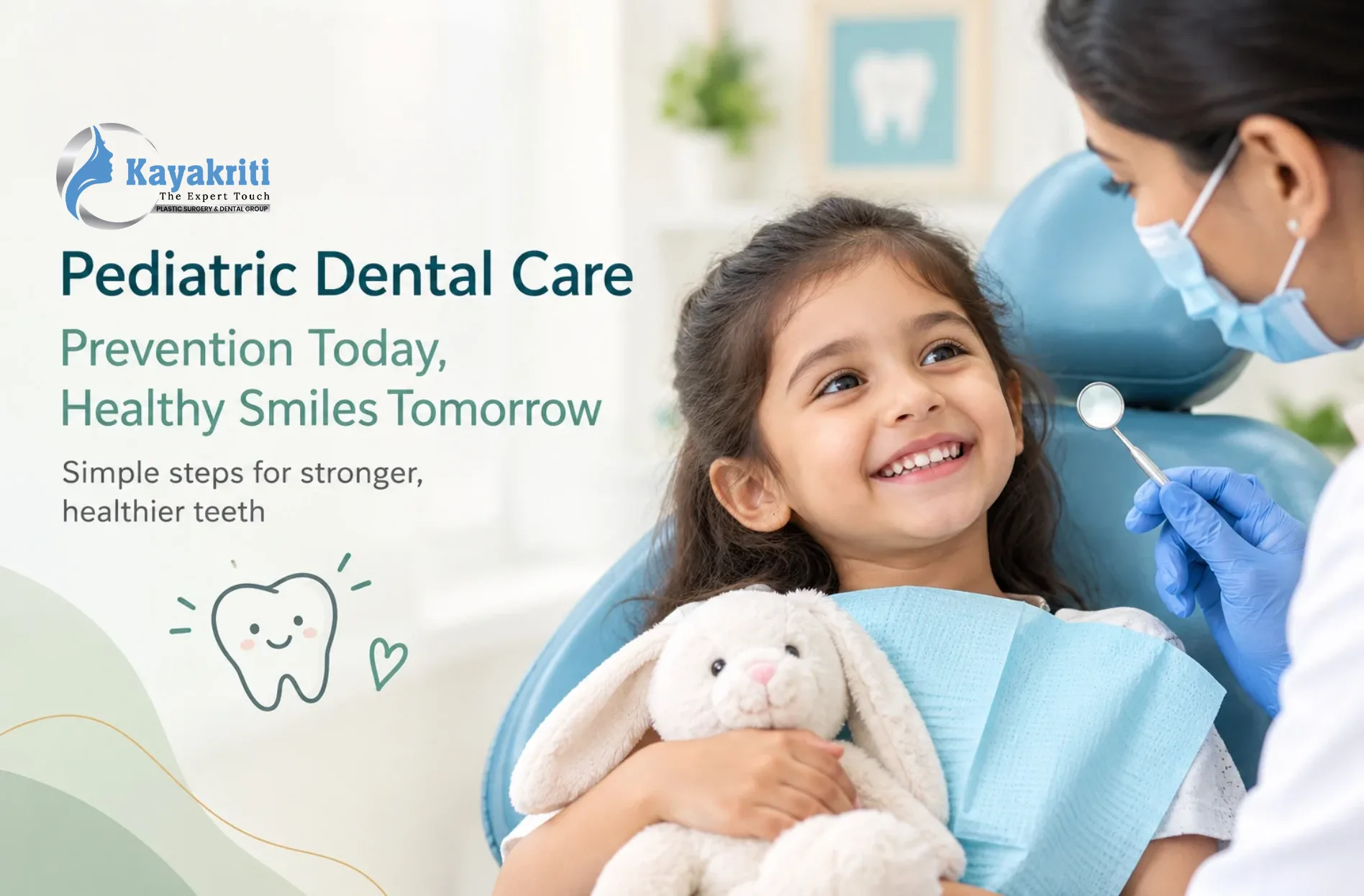
Regular children's dental checkups allow a dentist to examine developing teeth, assess the gums, evaluate cavity risk and identify early signs of dental disease. These visits also provide an opportunity to review brushing techniques, dietary habits and other factors that influence oral health.
Cavities do not always cause pain during their early stages. A child may have developed tooth decay without showing obvious symptoms. Professional examinations can help identify suspicious changes before the problem progresses, although not every early lesion can be detected through a visual examination alone.
The first dental visit is generally recommended by the child's first birthday or within six months of the first tooth erupting. Subsequent visits should follow a schedule based on individual needs and the dentist's assessment.
During children's dental checkups, a dentist may examine the teeth and gums, review oral hygiene, assess tooth eruption and recommend preventive measures where appropriate. Dental X-rays are not automatically necessary at every visit; their use depends on the child's clinical findings, history and risk of disease.
Consistent dental care for children can also make dental visits more familiar. Children who become comfortable with examinations early may find it easier to seek help when a problem arises.
For families looking for a dental clinic in Lucknow, Kayakriti offers children's dentistry under Dr. Shweta Jain, with an emphasis on preventive guidance and monitoring dental development.
Building Good Oral Hygiene Habits at Home
Daily routines are central to oral hygiene for children. Parents and carers can help children develop effective habits by making oral care predictable, age-appropriate and part of their everyday schedule.
Brushing With Fluoride Toothpaste
Brush a child's teeth twice daily, particularly before bedtime, using a soft-bristled, child-sized toothbrush.
The recommended amount of fluoride toothpaste is:
- Younger than three years: A smear approximately the size of a grain of rice.
- Three to six years: A pea-sized amount.
An adult should dispense the toothpaste and supervise brushing. Young children often lack the coordination needed to clean every surface effectively, so parents may need to brush or finish brushing for them.
Fluoride toothpaste helps strengthen enamel and makes teeth more resistant to acid attacks that contribute to decay. Children should be encouraged to spit out excess toothpaste when developmentally able, while avoiding swallowing it.
These simple habits support kids' dental care and form an essential part of preventive dental care for children.
Cleaning Between Teeth
When two teeth touch, a toothbrush may not adequately clean the space between them. Floss or another age-appropriate interdental cleaning aid can help remove plaque from these areas.
Parents should assist younger children and teach them the technique gradually as their coordination improves. A dentist can demonstrate the most suitable method for the child's teeth.
Good oral hygiene for children should therefore include both brushing and cleaning between teeth where needed, rather than relying on brushing alone.
Making Oral Care a Routine
Children are more likely to develop consistent habits when brushing happens at the same times each day. Parents can demonstrate the technique, use a timer or choose a toothbrush that makes the routine enjoyable.
Positive encouragement is generally more helpful than using fear or punishment. Over time, these routines help children understand that dental care for children is an everyday responsibility rather than something required only before a dental appointment.
Are Fluoride Treatments Necessary for Every Child?
Fluoride helps strengthen tooth enamel and supports the prevention and control of dental caries. Regular brushing with fluoride toothpaste is an important protective measure for most children.
Professional fluoride treatments, such as fluoride varnish, may provide additional protection, particularly for children who have an elevated risk of cavities. The decision depends on factors such as previous decay, oral hygiene, dietary habits, enamel condition and other sources of fluoride.
Not every child needs the same professional fluoride schedule. During pediatric dental care, the dentist can assess individual risk and determine whether additional fluoride treatment is appropriate.
Parents should not independently give children fluoride supplements without professional guidance. Supplement recommendations depend on the fluoride content of drinking water, toothpaste use, other fluoride sources and the child's cavity risk.
At Kayakriti Clinic, preventive appointments can help parents discuss fluoride options as part of a broader pediatric dentistry plan. This individualised approach is more appropriate than assuming every child requires identical preventive procedures.
How Can Dental Sealants Help Protect Children's Teeth?
Dental sealants are thin protective coatings applied to the chewing surfaces of selected teeth, particularly the back teeth where deep grooves can trap food and plaque. These grooves can be difficult to clean thoroughly, even when children brush regularly.
Sealants create a barrier over vulnerable pits and fissures, helping reduce the risk of cavities on those surfaces. They are particularly useful for appropriately selected permanent molars, although the suitability of sealants depends on the tooth and the child's individual circumstances.
Sealants do not replace brushing, flossing or regular examinations. They also require monitoring because the protective coating may wear or need repair over time.
During children's dental checkups, the dentist can assess whether newly erupted molars or other suitable teeth would benefit from sealants. This makes sealants a targeted component of preventive dental care for children, rather than a treatment that must be applied to every tooth.
Parents considering pediatric dental services should ask why a sealant is recommended, which teeth would benefit, and how its condition will be checked during future visits.
How Does Diet Influence Children's Dental Health?
Frequent exposure to sugary foods and drinks can increase the risk of tooth decay. Oral bacteria use available sugars to produce acids that gradually damage enamel. The frequency of exposure matters, which is why repeated snacking or sipping sweet drinks throughout the day can be particularly harmful.
Practical ways to support dental care for children include:
- Offering water regularly instead of sugary drinks.
- Serving balanced meals and age-appropriate snacks.
- Limiting sweets and sweetened beverages between meals.
- Avoiding putting an infant to bed with a bottle containing milk, formula or juice.
- Encouraging water after meals or snacks when appropriate.
- Keeping sweet foods occasional rather than allowing frequent grazing.
Parents should also avoid dipping pacifiers in honey or sugary substances. Honey should not be given to children younger than 12 months because of the risk of infant botulism.
Healthy eating habits complement oral hygiene for children and professional preventive measures. Even with regular brushing, frequent sugar exposure can increase the likelihood of cavities, so nutrition deserves attention alongside pediatric dental care.
Why Early Detection Matters
Early detection allows dental problems to be assessed before they cause more extensive damage. Warning signs may include white or brown spots on teeth, visible holes, persistent bad breath, gum swelling, sensitivity or complaints of tooth pain.
Parents should arrange a dental assessment if these signs appear rather than waiting for the next routine appointment. Facial swelling, fever associated with dental symptoms or difficulty swallowing requires urgent medical or dental attention.
Baby teeth matter even though they eventually fall out. They support chewing and speech development and help maintain space for permanent teeth. Untreated decay in primary teeth can cause pain, infection and difficulties with eating or sleeping.
Through regular children's dental checkups, a dentist can monitor the transition from primary to permanent teeth and identify concerns involving eruption, spacing or oral habits.
At Kayakriti, Dr. Shweta Jain provides children's dental care that includes preventive assessment and treatment planning. For parents seeking pediatric dental services, early professional guidance can help clarify which problems need treatment and which can be managed through monitoring and improved home care.
Choosing the Right Children's Dental Care Provider
When comparing a dental clinic in Lucknow, parents should consider the dentist's qualifications, experience with children, communication style and approach to preventive care.
A suitable provider should explain findings in language parents can understand, offer age-appropriate guidance and recommend procedures based on the child's needs. Children should also have opportunities to become familiar with the dental environment without unnecessary pressure.
Kayakriti Clinic offers children's dentistry and preventive dental services under Dr. Shweta Jain, whose qualifications include an MDS, an MBA in Hospital Administration and a PGDC in Cosmetic Dentistry. Parents can discuss examination schedules, fluoride, sealants, brushing difficulties and concerns about their child's dental development during a consultation.
When choosing a provider for pediatric dental care, families should prioritise appropriate clinical assessment, clear communication and follow-up rather than selecting a clinic based solely on convenience.
Protecting Children's Teeth Through Consistent Prevention
Healthy childhood teeth depend on several connected habits. Brushing twice daily with fluoride toothpaste, cleaning between teeth, limiting frequent sugar exposure and attending regular examinations all contribute to effective preventive dental care for children.
Fluoride applications and dental sealants can provide additional protection when indicated, while early assessment helps identify cavities and developmental concerns before they become more difficult to manage.
For families exploring pediatric dental care in Lucknow, Kayakriti Clinic provides children's dental services with Dr. Shweta Jain, including preventive guidance and age-appropriate treatment planning.
Ultimately, pediatric dentistry is most effective when professional care and everyday routines work together. By making kids’ dental care a consistent part of family life, parents can support healthy teeth, encourage positive dental experiences and build habits that benefit children well beyond their early years.
Disclaimer:
This article is intended for general educational purposes only and does not replace professional dental advice, diagnosis or treatment. Preventive recommendations, fluoride applications, sealants and examination schedules should be tailored to each child's age, dental development and individual risk factors. Parents should consult a qualified dental professional regarding specific concerns or symptoms. Persistent dental pain, facial swelling, fever associated with a dental infection or difficulty swallowing requires prompt professional assessment.