There is a specific smell every Floridian knows, even if they try to deny it. It’s that heavy, damp, slightly sweet odor that hits you the second you walk into a room where humidity has quietly taken over. I’ve stepped into hundreds of homes across the state over the years, and whenever I catch that scent, my heart sinks a little bit for the homeowner. They usually think it’s just a wet towel left in the laundry room or a minor carpet spill.
Honestly, it’s rarely just a wet towel.
There is a specific smell every Floridian knows, even if they try to deny it. It’s that heavy, damp, slightly sweet odor that hits you the second you walk into a room where humidity has quietly taken over. I’ve stepped into hundreds of homes across the state over the years as part of a professional HVAC cleaning company, and whenever I catch that scent, my heart sinks a little bit for the homeowner. They usually think it’s just a wet towel left in the laundry room or a minor carpet spill.
Why Florida Homes Are Under Constant Attack from HVAC Mold
If you live in Florida, you kinda already know the heat is relentless. But honestly, heat isn’t the real problem here… it’s the moisture. Your air conditioner does two things, it cools the air and it drags out liquid water from that thick, soup-like outdoor atmosphere.
So, when your AC runs ten or twelve hours a day in a scorching July, it basically produces gallons of condensation. If everything in the unit is spotless, that water goes away like it should. But real life isn’t a sterile laboratory, no matter how careful you are. Dust, pet dander, dead skin cells, and pollen slip past basic filters every single day, and you don’t even notice until later.
The Trapped Moisture Trap
When organic dust lands on damp coils, or it settles inside the dark ductwork, you’ve sort of created a five-star motel for microbial growth. Mold doesn’t require much to survive. Give it moisture, add a food source like a layer of household dust, keep the space warm, and it can show up in less than 48 hours.
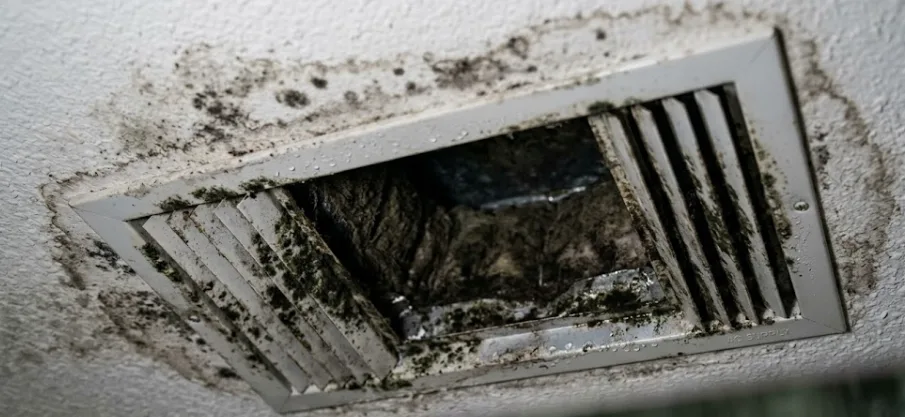
Most homeowners don’t clock this until they start seeing dark spots on their supply vents. And by the time it appears on the outside metal louvers, the inside “back room” of the system is usually far worse.
The Vicious Cycle of Neglect
I’ve seen this happen a lot: a small drain line clog causes a tiny bit of standing water in the pan. The homeowner clears the main line with some vinegar, thinks they solved the issue, and moves on. Meanwhile, that temporary spike in humidity inside the air handler allowed spores to take root on the blower wheel.
Now, every time the fan spins, it flings tiny particles further down the line. That’s usually where problems start compounding out of control.
How Professional HVAC Cleaning Stops the Spread
You can't fix a deep-seated moisture and air quality issue with a can of store-bought disinfectant spray. Spraying chemicals randomly into your intake grate doesn't work, and honestly, it can actually damage your equipment or make your indoor air unpleasant to breathe.
Real prevention requires opening up the system, finding where the organic buildup is sitting, and physically removing it. This is where hiring a dedicated hvac cleaning company makes all the difference in keeping your home safe.
Cleaning the Evaporator Coils
The evaporator coil is ground zero for moisture in your home. Air passes through these tightly packed aluminum fins constantly. If dust coats those fins, it acts like a sponge, trapping water and creating a slimy layer of grime. A professional hvac cleaning company uses specialized non-rinse foaming cleansers and soft brushes to strip that gunk away without damaging the delicate fins.
Deep Cleaning the Blower Assembly
Your blower wheel has dozens of small curved blades. Over time, dirt sticks to the undersides of those blades. This not only reduces airflow by up to 30%, but it also turns the fan into a distributor of micro-contaminants. Calling a dependable hvac cleaning company to wash that wheel restores proper static pressure and removes the sticky layer where growth likes to hide.
Sanitizing the Duct Network
Once the main unit is clean, the focus kinda shifts to the supply lines, and yeah, that’s where a lot of people forget to look. A top-tier best air duct cleaning company won’t just shove some flimsy shop-vac hose down a vent, and call it done. They set up negative air pressure systems, then pair that with rotary brushes or air whips to loosen all the crud, and pull it fully out of the house, into HEPA-filtered containment units.
When you bring in the best air duct cleaning company, they also inspect the insulation lining inside the ducts. If the flexible ducting got soaked with liquid, or if it got compromised by heavy colonies , a trusted best air duct cleaning company will give you a straight, honest assessment on whether a section actually needs physical replacement, instead of only getting washed.
If you’re searching for the best air duct cleaning company, ask if they use specialized negative pressure equipment. That way, booking the best air duct cleaning company means dust shouldn’t blast back into your living room while they work, or even after they leave.
Warning Signs Your System Is Growing Something Harmful
You don't need to be a certified technician to spot the early warning signs. In my experience, your nose and your body will usually tell you something is wrong long before your eyes do.
- Musty or Earthy Odors: If the air coming out of your vents smells like dirty socks or a damp crawlspace, there is organic activity inside the air handler.
- Visible Dark Flecks: Look closely at your ceiling registers. If you see tiny black or green specks sticking to the plastic or metal slats, that’s not ordinary dust.
- Unexplained Health Symptoms: Waking up every morning with a stuffy nose, scratchy throat, or unexplained headaches that magically go away when you leave the house for work is a classic sign.
- Higher Electric Bills: When coils get dirty and duct lines get clogged, your compressor has to work twice as hard to cool the house, driving your energy costs through the roof.
- Excessive Humidity Indoors: If your home feels sticky even when the thermostat says 72 degrees, your system isn't dehumidifying properly anymore.
And trust me, that gets expensive fast if you let it drag on for months without calling a seasoned hvac cleaning company to check your setup.
DIY Prevention Tips vs. When to Call Pros
While heavy extraction requires heavy machinery, there are plenty of daily maintenance habits you can adopt right now to keep your system running clean.
What You Should Do Yourself
Change your air filters regularly. Don't buy those ultra-cheap fiberglass filters that you can see right through; they let almost all dust pass straight into your coils. On the flip side, don't buy super thick filters that starve your system for air. A MERV 8 to MERV 11 filter is usually the sweet spot for Florida residential systems.
Also, keep an eye on your outside drain line. Pouring a cup of plain white vinegar down the condensate T-pipe once a month helps break up algae caps before they back up into your home.
When DIY Is Not Enough
If you think there’s deep contamination sitting inside your duct walls, stop poking around with common household tools. Flex ducting is way too easy to tear with a vacuum hose ,and when that happens ripping the interior liner can turn into a massive expensive situation fast. Instead of DIY, reach out to a licensed hvac cleaning company so your system’s structural integrity stays protected while the whole area gets fully sanitized.
Working with the best air duct cleaning company in your local area means you’ll have technicians who actually get Florida’s kind of coastal conditions, plus the high humidity challenges that come with it. Picking the best air duct cleaning company before peak summer heat lands is honestly one of the smartest things a homeowner can invest in locally.
If you’re unsure which contractor to choose , take a moment to look through local reviews. A reputable hvac cleaning company should be glad to walk you through their equipment, share before-and-after photos, and give clear upfront pricing. When you hire an experienced hvac cleaning company , you end up with real peace of mind.
Frequently Asked Questions
How often should Florida air ducts be professionally cleaned?
Most Florida homes benefit from a thorough duct cleaning every 2 to 3 years due to high humidity and near-constant AC usage.
Can dirty HVAC systems trigger seasonal allergies?
Yes, dirty systems continuously recirculate dust mites, pollen, pet dander, and fungal spores throughout your living space.
Will standard fiberglass air filters prevent mold in my ducts?
No, basic fiberglass filters only trap large debris and allow fine organic dust to pass straight onto damp coils.
What causes AC supply vents to sweat?
Vents sweat when icy air inside the duct meets warm, humid room air, often caused by poor insulation or high indoor moisture.
Is bleach safe for cleaning air conditioner drain pans?
No, bleach can corrode metal pans, damage plastic fittings, and produce harsh fumes inside your home's air supply.
How do I know if my ductwork needs to be replaced instead of cleaned?
If flexible ducting is crushed, torn, soaked with water, or heavily deteriorated inside, full replacement is safer than cleaning.
Does a musty smell always mean there is mold in the air ducts?
Not always, but a musty smell almost certainly points to excess moisture or microbial growth somewhere within the HVAC system.
How long does a full home duct cleaning take?
A proper, high-quality cleaning for a typical single-family home usually takes anywhere from 3 to 5 hours with a full crew.
Helpful Resources & Local References
Keeping your home safe means staying informed with solid, reliable information. Here are a few great resources worth reading:
- EPA Guide to Residential HVAC Cleaning: Helpful breakdown on when duct cleaning is necessary and what standards to look for.
- Florida Department of Health (Indoor Air Quality): Local guidelines on managing humidity, moisture intrusion, and indoor environmental health.
- NADCA Standards: National standards outlining proper mechanical cleaning protocols for heating and cooling systems.
Protecting Your Home for the Long Haul
At the end of the day, your home should be your safe haven, not a place that makes you sneeze, cough, or worry about hidden maintenance disasters. Florida's environment is tough on mechanical equipment, but with a little proactive care, you can easily stay ahead of moisture problems.
Don't wait until you see dark spots spreading across your ceilings or feel that sticky draft in the living room. If it's been a few years since your system had a complete checkup, take action today. Reach out to a certified local team, get your system inspected, and breathe easy knowing your indoor air is clean, fresh, and safe for your family!