Menopause often brings changes that are easy to notice, such as hot flushes, disturbed sleep and irregular periods before menstruation stops completely. Changes in bone strength are different. They can begin without causing any obvious symptoms.
This is partly because of a hormone called oestrogen. Before menopause, it helps maintain the balance between bone breakdown and new bone formation. As oestrogen levels fall, this balance shifts. Bone breaks down faster than the body can replace it, gradually reducing bone density and increasing fracture risk.
This is why the years after menopause deserve attention for long-term bone health.
Key Takeaways
- Falling oestrogen levels after menopause accelerate bone breakdown.
- Bone loss can progress without pain or other obvious symptoms.
- Bone density testing helps identify osteoporosis and assess fracture risk.
- Calcium, vitamin D, suitable exercise and fall prevention support bone health.
- Women at high risk of fractures may need prescription treatment.
What happens to your bones when oestrogen levels fall?
Bone is living tissue. Throughout life, the body removes old or damaged bone and replaces it with new tissue. This process is called bone remodelling.
Oestrogen helps regulate the cells responsible for this process. One group, called osteoclasts, breaks down old bone. Another group, called osteoblasts, builds new bone.
When oestrogen levels decline after menopause, osteoclast activity increases, and bone breakdown accelerates. Bone formation may not keep pace with the loss.
Over time, the bone's internal structure becomes less dense, and the small spaces inside it grow larger. The outer structure can also become thinner. Bones that once handled everyday activities without difficulty may become more vulnerable to fractures.
Bone loss often accelerates in the first few years after menopause, though the rate varies between women. It does not mean every woman will develop osteoporosis, but the hormonal change raises the risk.
Why bone loss can go unnoticed for years
A woman may feel perfectly well while her bone density is declining. Unlike a muscle injury or a joint problem, early bone loss usually does not cause pain.
This is one reason osteoporosis is often called a silent bone disease. It can progress without noticeable symptoms until a fracture occurs, sometimes after a minor fall or an ordinary movement.
The hip, spine and wrist are common sites of osteoporotic fractures. Spinal fractures may also cause a gradual loss of height or changes in posture.
Age and falling oestrogen levels are not the only factors involved. A family history of osteoporosis, low body weight, smoking, physical inactivity, inadequate calcium or vitamin D intake and certain medical conditions can increase the risk further. Long-term use of some medicines, including corticosteroids, can also contribute to bone loss.
What can help protect bone strength after menopause?
The aim is to reduce further bone loss, maintain strength, and lower fracture risk. Everyday habits do matter (although they may not be enough in themselves if osteoporosis is already present).
Calcium and vitamin D: Calcium is an essential mineral for bones, and vitamin D is required for calcium absorption. Include calcium-rich foods such as milk, curd, paneer and appropriate fortified foods in your diet. Your doctor can advise whether supplements are needed, particularly if your dietary intake is low or a deficiency is suspected.
Weight training and resistance exercise (walking, climbing stairs, strength training, etc.) can help to maintain bone and muscle strength. Choose the activities that are appropriate for your own level of fitness and health. If you have osteoporosis or a history of fractures, seek professional advice before starting any new exercise regime.
Preventing falls: good lighting at home, appropriate footwear, clear walkways and exercises to improve balance can all help to reduce the risk of a fall. This is important because people with weaker bones are more likely to fracture if they injure themselves.
Don't smoke and don't drink excessive amounts of alcohol, as both of these can have a negative effect on your bones. That's part of the long-term management of your bones.
When lifestyle changes are not enough
Some women are at greater risk of fracture as a result of their bone density having dropped significantly or because they have already had a fracture. In such cases, a doctor may recommend medication in addition to dietary and lifestyle measures.
One option is an Olimab 60mg injection containing denosumab, a monoclonal antibody (a lab-made protein) that binds to a specific molecule in the body. It works by blocking RANK ligand (a protein which stimulates the cells that break down bone), thus reducing that activity and thereby reducing bone loss. It can improve bone mineral density and reduce fracture risk in the appropriate patient.
In postmenopausal women with osteoporosis, the usual denosumab regimen is 60mg given as a subcutaneous injection every 6 months by a doctor. Calcium and vitamin D intake should be reviewed as part of the management.
This isn't necessary for every woman post menopause. The decision about treatment will be based on bone density, fracture risk, other medical conditions and prior treatment.
Conclusion
The hormonal changes of menopause are entirely natural, but their effect on bone strength should be considered. You may not necessarily be aware that your bones are becoming weaker.
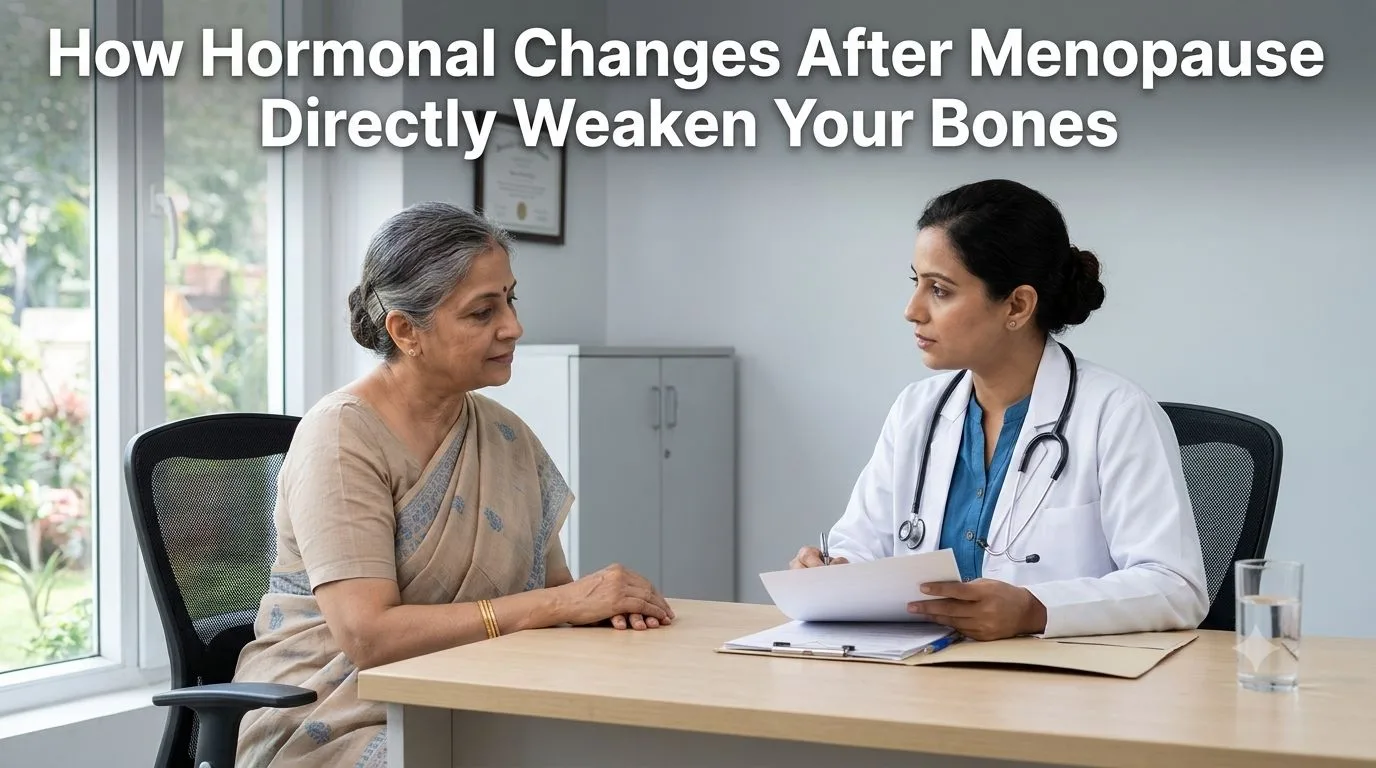
A chat with your doctor, an appropriate bone density scan, and a risk-based plan can go a long way toward identifying problems before a fracture occurs. It's not true that you're just going to get osteoporosis after the menopause. It's about recognising your risk and then doing the right thing to protect your bones.
Medical disclaimer: This article is intended for general health information and does not replace medical advice, diagnosis or treatment. Speak to a qualified healthcare professional about your bone health, the need for testing and suitable treatment options.