

Installing high-quality attic insulation in Fresno, CA, reduces your energy bills by creating a thermal block that prevents heat from moving between your attic and your living spaces. During the hot summer months, this barrier stops extreme heat from entering your home, while in the winter, it keeps warmth inside. By stabilizing your indoor temperature, your HVAC system operates less frequently, which lowers your monthly utility costs significantly.
This guide explains the mechanics of heat transfer and why proper thermal protection is necessary for residents in the Central Valley. The information provided is based on standard building science and regional climate data to help you make an informed decision for your property.
The Direct Impact of Thermal Barriers on Energy Costs
When you improve your home’s energy efficiency, you are essentially reducing the workload of your air conditioner and furnace. In Fresno, where summer temperatures regularly stay above 100 degrees, the air inside an uninsulated attic can reach 140 degrees or more. This heat naturally pushes down into your cooler living areas, forcing your air conditioner to fight a constant battle against the ceiling.
By utilizing professional attic insulation services, you introduce materials that resist this heat flow. This resistance is measured by R-value; the higher the R-value, the better the material is at keeping the heat out. For Fresno homeowners, having the correct amount of attic insulation means the air conditioner cycles off more often, leading to lower energy bills and less wear on expensive mechanical parts.
How Heat Moves Through a Central Valley Home
Heat moves in three ways: conduction, convection, and radiation. In a typical house, the sun warms the roof tiles (radiation), which then warms the attic air and the wooden joists (conduction). Without a proper barrier, this warmth then moves through the drywall of your ceiling and into your rooms. Convection occurs when hot air leaks through small gaps around light fixtures or plumbing pipes.
Energy-saving insulation addresses these issues by slowing down the conduction process. When you combine high-quality materials with proper air sealing, you effectively neutralize the three ways heat enters your home. This is why a well-insulated attic is considered the most effective way to improve overall home comfort in a desert-like climate.
Performance Comparison of Popular Insulation Materials
To help you compare your options, the following table breaks down the performance and characteristics of common insulating materials:
Material TypeR-Value per InchMoisture ResistanceAir Sealing AbilityFiberglass Batts2.9 – 3.8LowNoneCellulose (Blown-in)3.2 – 3.7ModerateMinimalOpen Cell Spray Foam3.5 – 3.6ModerateHighClosed Cell Spray Foam6.0 – 7.0HighExcellent
Why Spray Foam Attic Insulation Outperforms Traditional Options
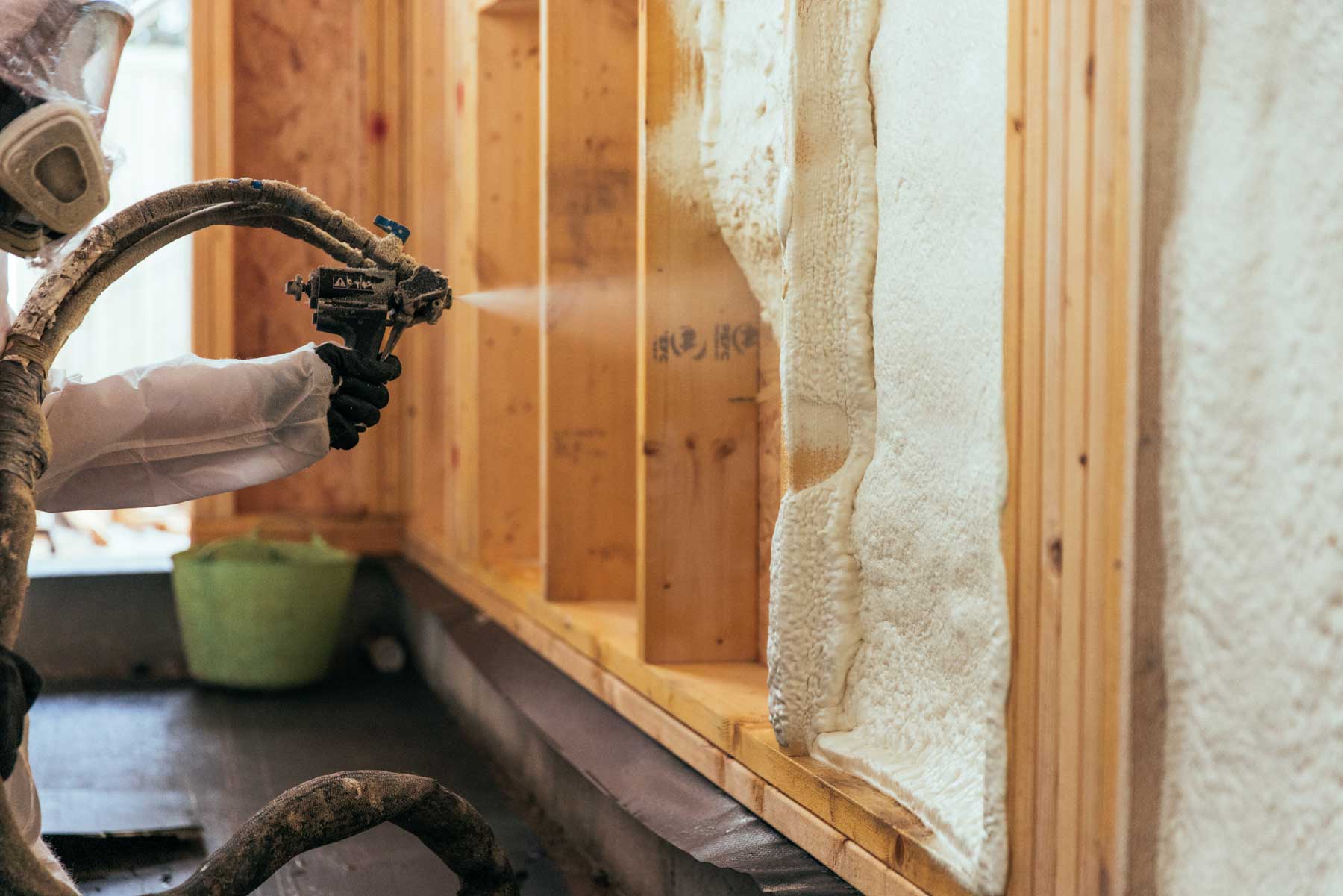
While fiberglass and cellulose are common, spray foam offers a more comprehensive solution for the local climate. Traditional materials only slow down heat conduction, but they do not stop air from moving through them. Spray foam expands to fill every tiny gap, meaning it provides both a thermal barrier and an air seal at the same time.
This dual action is particularly helpful in the Central Valley, where dust and allergens often enter through attic bypasses. By sealing these gaps, you not only save money on electricity but also improve the air quality inside your home. It creates a "conditioned" attic space that stays much closer to the temperature of your living room than the temperature outside.
Bonus Tip: If you choose spray foam, ensure the installers apply it to the roof deck rather than the attic floor. This move brings your ductwork inside the thermal envelope, which prevents the air inside your ducts from getting hot before it reaches your vents.
3 Practical Ways to Improve Home Energy Efficiency
1. Inspecting Current Insulation Levels
You can check your own attic by looking at the floor joists. If the material is thin enough that the wooden beams are visible, you are likely losing a significant amount of money every month. Most older homes in Fresno were built with R-19 or R-30 insulation, but current recommendations for this region often suggest R-49 or higher for maximum savings.
2. Identifying and Closing Air Leaks
Insulation works best when there is no air moving through it. You should look for dark stains on your existing fiberglass insulation, as this often indicates where air is leaking from the house into the attic. Common culprits include recessed "can" lights, the attic hatch, and where the chimney or plumbing stacks pass through the ceiling.
3. Optimizing Attic Ventilation Systems
If you are using traditional insulation like fiberglass or cellulose, your attic must have a way for hot air to escape. Check that your soffit vents are not blocked by insulation. Proper airflow prevents moisture from getting trapped in your attic, which could lead to mold or wood rot over time.
Selecting Reliable Insulation Contractors in the Fresno Area
Finding the right team to handle your project is a major part of the process. Professional insulation contractors should start by measuring your current insulation depth and checking for any signs of animal nesting or moisture damage. They should provide a clear plan on how they intend to achieve the target R-value for your specific home layout.
A good contractor will also explain the differences between materials and help you understand which one fits your budget and your long-term goals. They should be licensed and insured, and they should be familiar with local California building codes regarding fire safety and ventilation.
Factors to Evaluate Before Your Insulation Upgrade
Before you begin the installation, you should check the age and condition of your roof. If your roof is nearing the end of its life, it is often better to replace the roof first or at the same time as the insulation. This prevents a situation where a future roof leak ruins your brand-new thermal barrier.
You should also consider your home's electrical system. If your home has very old wiring, specifically knob-and-tube, you cannot cover it with insulation because the wires need air space to stay cool. Have an expert look at your attic's wiring to ensure the project can proceed safely without creating a fire hazard.
Managing Fresno Weather Extremes with Better Insulation
The weather in Fresno is characterized by high heat during the day and cooler temperatures at night. This cycle causes building materials to expand and contract constantly. Over time, this movement can cause traditional insulation to settle or shift, leaving gaps where heat can enter.
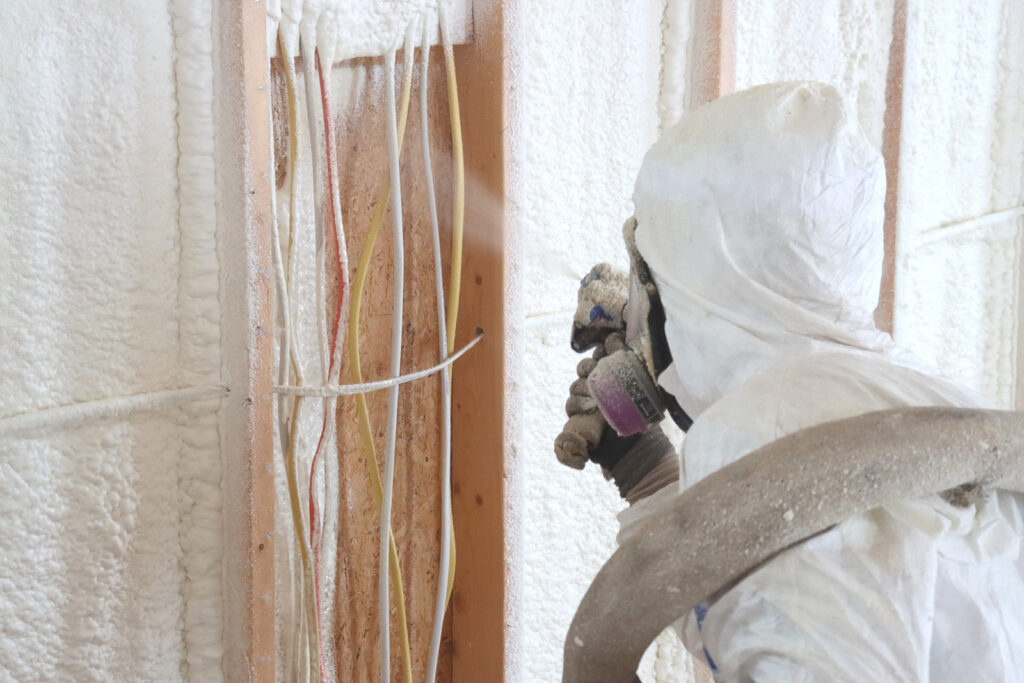
High-quality attic insulation services focus on materials that do not settle or degrade over time. By maintaining a consistent thickness and coverage, you ensure that your energy savings remain steady year after year. This is a long-term investment that pays for itself through reduced utility costs every single season.
Bonus Tip: Consider adding a radiant barrier if you are using traditional blown-in materials. A radiant barrier is a reflective foil that bounces solar heat away from the attic, providing an extra layer of protection during the peak of summer.
The Connection Between Insulation and Property Value
Energy efficiency is a major selling point in the California real estate market. Buyers are often willing to pay more for a home that has documented upgrades like spray foam or high R-value fiberglass. When you show potential buyers your lower energy bills, it serves as proof that the home is well-built and affordable to maintain.
Beyond the financial aspect, a well-insulated home is much quieter. Insulation acts as a sound dampener, reducing noise from low-flying planes, traffic, or heavy rain. This increased comfort makes your home more attractive to anyone looking for a peaceful living environment.
Summary of Benefits for Homeowners
Improving your attic's thermal performance is one of the most effective ways to lower your monthly expenses. By choosing the right materials and ensuring professional installation, you create a home that stays cool in the summer and warm in the winter without overworking your HVAC system. This upgrade protects your budget, your equipment, and your family's comfort.
How Can You Begin Your Energy Efficiency Project?
If you want to find out how much you can save, reaching out to a local specialist is the best course of action. You can contact Supreme Spray Foam – Fresno to learn more about the best options for your specific property. They offer comprehensive attic insulation services and specialized spray foam attic insulation designed to withstand the Fresno heat. To get a free quote or schedule an inspection, you can call them at (559) 545-0800 or send an email to [email protected]. Their experts can help you determine the most cost-effective way to achieve lower energy bills for your home.
Common Questions Regarding Local Attic Insulation
How much money can I actually save on my Fresno utility bill?
While results vary based on your home's size and your AC usage, many residents see a reduction of 15% to 30% on their cooling and heating costs after a professional upgrade.
Does attic insulation in Fresno, CA also help during the winter?
Yes, it works both ways. In the winter, heat rises. Without good insulation, the warmth from your heater escapes through the ceiling, making your furnace run much longer than necessary.
Is it necessary to remove my old insulation first?
Not always. If the old material is dry and clean, new insulation can often be installed right on top. However, if there is mold, water damage, or animal waste, the old material must be removed for safety.
How do I know if I have enough insulation in my attic?
The simplest way is the "joist test." If you can see the wooden floor joists in your attic, you do not have enough. The insulation should be thick enough to completely hide the wood.
What is the best insulation for a house with an old roof?
If the roof is old but not leaking, blown-in cellulose or fiberglass is a good choice. If you are replacing the roof soon, that is the perfect time to consider closed-cell spray foam for maximum efficiency.