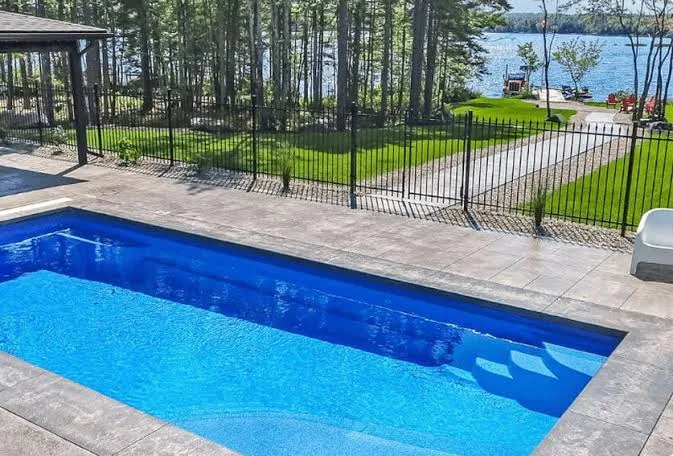
The construction of modern swimming facilities requires a deep understanding of geotechnical engineering, material science, and fluid dynamics. Below the soil line, subterranean aquatic structures are subjected to immense physical forces that threaten their structural equilibrium every day. Inground pools do not merely retain thousands of gallons of water; they act as subterranean retaining vessels engineered to withstand continuous outward hydraulic weight, inward subsurface water pressure, and significant temperature-driven material expansions.
Without sophisticated engineering controls, subsurface forces can easily crack reinforced concrete shells, displace vinyl liners, or pop entire structures out of the ground. Achieving long-term structural integrity requires balancing fluid-structure interaction, subterranean hydrodynamics, and the thermodynamic mass distribution.
Understanding Sub-Surface Hydrostatic Pressure
Hydrostatic pressure is the force that groundwater exerts against any submerged structure. The amount of underground moisture can vary significantly depending on local water tables, heavy rainfall, seasonal runoff, and soil drainage conditions For instance, clay-rich soils retain large amounts of water, generating considerable hydraulic pressure against buried pool walls and floors.
When a pool is full, the weight of the water inside creates outward pressure that helps counterbalance the surrounding groundwater. During maintenance, draining, or in areas with high water tables, however, external groundwater pressure can exceed the vessel's structural weight. This imbalance may generate buoyant uplift forces capable of lifting concrete or fibreglass shells from the ground, a phenomenon known in geotechnical engineering as 'vessel floating'.
To minimise these risks, engineers incorporate specialised solutions inground pools, including passive and active groundwater management systems. Hydraulic relief valves installed at the deepest point of the pool floor automatically open when external groundwater pressure surpasses the internal water load, allowing groundwater to enter the pool and equalise pressure before structural damage occurs. In addition, perimeter French drains and geotextile-wrapped gravel beds direct subsurface water toward dedicated sumps, while free-draining crushed stone backfill reduces hydrostatic buildup by creating efficient drainage pathways around the exterior of the pool shell.
Thermal Load Dynamics and Subgrade Mechanics
In addition to fluid forces, buried structures undergo constant thermodynamic stress. Thermal load refers to the internal mechanical strain caused by temperature variations between ambient atmospheric conditions, internal water temperatures, and the surrounding subgrade soil.
Soil acts as a massive thermal heat sink with high thermal inertia. While the top coping exposed to sunlight may reach temperatures well above 120°F (49°C), the subterranean base resting five to eight feet below grade remains at a much lower, stable temperature. This extreme temperature gradient creates differential thermal expansion across the vessel walls.
Furthermore, in colder regions, subterranean moisture within the surrounding soil freezes during winter months. As water transitions to ice, it expands by approximately 9%, exerting severe lateral pressure—known as frost heave—against the upper walls of the structure. High-performance inground pools mitigate these thermal stresses through specialized material design. Flexible elastomeric expansion joints placed along the deck line absorb thermal movement, copolymer vinyl layers provide high elongation capacity to stretch without losing adhesion, and embedded high-density rebar grids distribute expansion forces evenly across concrete shells.
Mitigating Dynamic Stress with Engineered Vessels
When subterranean water and temperature shifts act simultaneously, buried vessels experience dynamic shear and tensile loads. For instance, when atmospheric freeze cycles coincide with high water tables, the surrounding earth subjects the shell to concentrated freeze-thaw cycles that can destabilise the sub-base.
In high-end architectural engineering, managing underground pools and deep-basin aquatic structures demands high-density, low-permeability materials. Modern shotcrete and pneumatic concrete formulations utilise silica fume and polymeric admixtures to achieve compressive strengths exceeding 4,000 PSI while minimising moisture absorption. Additionally, sub-base gravel layers serve a dual purpose: they act as a stress-relieving cushion against minor soil expansion while providing an uninhibited path for groundwater movement.
By decoupling the rigid outer shell from dynamic soil movements and maintaining equilibrium between internal fluid mass and subterranean groundwater, structural engineers ensure the installation withstands decades of cyclic environmental loading.
Long-Term Structural Monitoring and Preventive Maintenance
Long-term performance depends on regular inspection and preventive maintenance. Seasonal groundwater changes, soil settlement, and thermal expansion cannradually increase structural stress on inground pools. Routine evaluation of hydrostatic relief valves, drainage systems, expansion joints, and liner or shell conditions helps identify potential issues before they become costly repairs. Maintaining these engineered components preserves structural stability, improves drainage efficiency, and ensures the pool continues to withstand changing environmental conditions for many years.
Conclusion: Balancing Physics for Sub-Surface Longevity
Managing subsurface hydrostatic pressure and thermal load is a core requirement of subterranean aquatic engineering. Integrating hydrostatic relief valves, strategic perimeter drainage, specialised polymer liners, and engineered expansion joints allows modern construction techniques to isolate structures from destructive environmental forces.
For property owners and commercial operators, investing in advanced hydrodynamic andthermal mitigation measures guarantees structural stability. These systems effectively prevent costly groundwater displacement, absorb extreme freeze-thaw temperature shifts, and preserve the long-term structural integrity of inground pools for decades to come.