Bharatpur is one of the few destinations where travellers can experience internationally recognised birdlife and significant royal history within one short holiday. Keoladeo National Park attracts bird watchers and nature enthusiasts, while Lohagarh Fort, Mahal Khas Palace, the Government Museum and nearby heritage sites reveal the city’s political and architectural importance.
The best Bharatpur itinerary should therefore avoid treating the city as only a brief bird-sanctuary stop. By selecting centrally positioned heritage accommodation and allowing at least two days, visitors can explore its natural and cultural identity at a comfortable pace.
Mahal Khas Palace, located within Lohagarh Fort, enables guests to combine bird watching with an authentic palace experience. For travellers seeking a Luxury Hotel in Bharatpur, it provides a historically meaningful base for discovering both sides of the destination.
Why should travellers combine heritage and nature in one itinerary?
Nature and history tell complementary stories about Bharatpur. Keoladeo represents the ecological importance of wetlands, while Lohagarh Fort and Mahal Khas Palace demonstrate the strategic strength and political influence of the former Bharatpur kingdom.
A bird-watching-only itinerary may overlook the city’s royal history. Similarly, a heritage-only itinerary misses one of India’s most important wetland environments.
Combining both experiences gives travellers a more complete understanding of Bharatpur. It also makes the destination suitable for groups with different interests. One family member may be passionate about birds, while another may prefer architecture or history.
A balanced plan prevents anyone from feeling that the holiday is designed around only one attraction.
What makes Keoladeo National Park important?
Keoladeo National Park, also known as Bharatpur Bird Sanctuary, is a renowned wetland ecosystem and UNESCO World Heritage Site. It provides habitat for numerous resident and migratory bird species.
The landscape includes wetlands, grasslands, woodland areas and pathways that can be explored on foot, by bicycle or through permitted local transport options. Bird activity varies according to season, water conditions and time of day.
Winter is especially popular because migratory species arrive during the cooler months. However, other seasons can also offer valuable observations of resident birds, nesting behaviour and changing landscapes.
Travellers should check current park timings, entry fees and visitor regulations before arrival because operational details may change.
What is the best time of day for bird watching?
Early morning is generally preferred for bird watching. Temperatures are usually more comfortable, the environment is quieter and many birds are active.
Visitors should arrive near opening time when possible. A slow visit of several hours often produces a better experience than rushing through the park.
Useful items include:
- Binoculars
- Camera with a suitable lens
- Comfortable walking shoes
- Neutral-coloured clothing
- Drinking water
- Sun protection
- Seasonal outerwear
- A field guide or birding application
- A notebook
Guests should speak quietly, remain on permitted routes and avoid feeding or disturbing wildlife. A local naturalist or guide can help visitors identify species and understand the wetland ecosystem.
Why should visitors explore Lohagarh Fort?
Lohagarh Fort is one of Bharatpur’s defining historic landmarks. Its reputation developed from its defensive strength and the ability of Bharatpur’s rulers to resist powerful military forces.
Unlike forts created mainly for visual grandeur, Lohagarh was closely connected with strategic defence. Its earthen ramparts, water systems and strong fortifications reflected practical military thinking.
The fort helps visitors understand why Bharatpur occupied an important position in regional politics. It also provides historical context for Mahal Khas Palace, which served as a royal and administrative centre within the fortified complex.
Exploring the fort before or during a palace stay allows guests to understand that Mahal Khas was part of a functioning kingdom rather than an isolated royal residence.
What makes Mahal Khas Palace relevant to the itinerary?
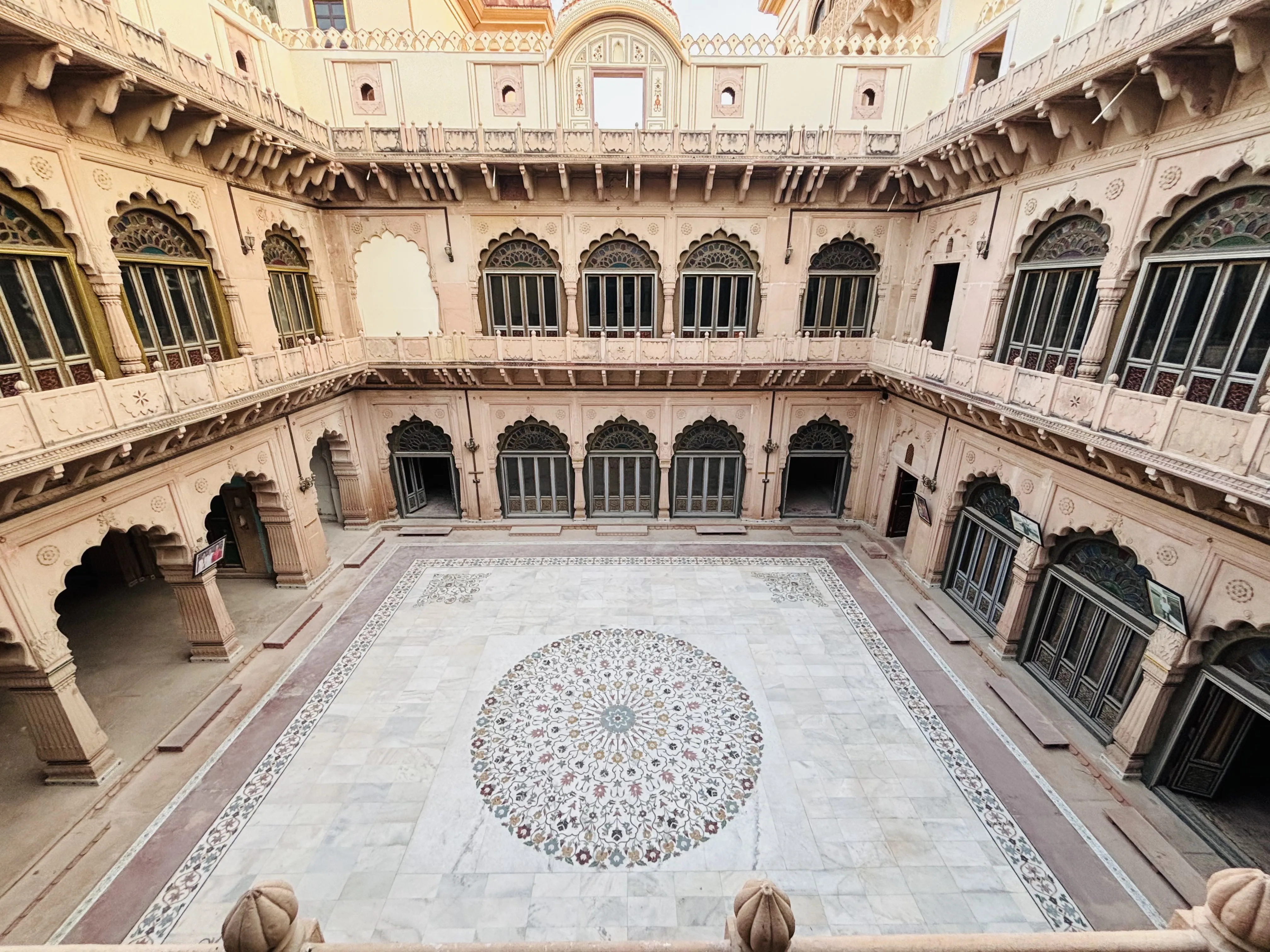
Mahal Khas Palace allows travellers to remain connected with Bharatpur’s history even after sightseeing ends. Instead of returning to a generic room, guests stay within the setting associated with the city’s royal past.
The palace was constructed during the reign of Maharaja Suraj Mal in the mid-18th century. It formed part of the inner royal core of Lohagarh Fort and was connected with the administration of the Bharatpur state.
Historic walls, courtyards and climate-responsive architectural features give the property a distinctive atmosphere. Modern guest services add comfort while allowing the original setting to remain central.
This makes the hotel particularly suitable for travellers who want accommodation to contribute meaningfully to the destination experience.
How can visitors plan a two-day Bharatpur itinerary?
A two-day plan can cover the essential natural and heritage experiences without becoming excessively rushed.
Day One: Arrival and Royal Bharatpur
Arrive in Bharatpur and check in at Mahal Khas Palace. Take time to understand the palace’s history and explore permitted areas.
Later, visit accessible sections of Lohagarh Fort and the Government Museum, subject to current opening hours. Spend the evening relaxing at the palace rather than adding a long journey.
Day Two: Keoladeo National Park
Begin early and visit Keoladeo National Park. Allow sufficient time for bird watching instead of treating the park as a quick photography stop.
After returning, have breakfast or lunch and rest at the palace. The later part of the day can be used for local exploration, shopping or additional heritage sightseeing.
Travellers departing the same day should keep transport schedules flexible because time spent inside the park can vary.
Is a three-day itinerary better?
Three days provide a more relaxed experience and allow travellers to add Deeg or nearby regional attractions.
A suggested plan is:
Day one: Mahal Khas Palace, Lohagarh Fort and the Government Museum.
Day two: Extended bird-watching visit to Keoladeo National Park.
Day three: Excursion to Deeg Palace or exploration of destinations in the wider Braj region.
This itinerary is suitable for families, photographers and mature travellers who prefer a slower pace. It also allows bird watchers to visit the national park more than once, increasing the possibility of seeing different species and behaviour.
Travel times, attraction hours and seasonal conditions should be confirmed while planning.
How does the travel season affect the holiday?
Bharatpur offers different experiences throughout the year.
Winter: Comfortable for sightseeing and highly popular for migratory bird watching. Accommodation and guides may need to be booked early.
Summer: Temperatures can become high, so outdoor visits should be concentrated in the morning. Afternoon rest becomes particularly important.
Monsoon: The landscape can appear greener, and the wetland environment changes. Rain may affect outdoor schedules and road conditions.
Travellers should choose the season according to their primary interest. Serious bird watchers may prioritise wildlife patterns, while heritage travellers may focus on comfortable weather for walking and photography.
Is Bharatpur suitable for a family holiday?
Yes. Bharatpur offers educational experiences for children, peaceful sightseeing for adults and culturally significant attractions for senior family members.
Children can learn about birds, wetlands, forts and regional history in real environments. Parents can introduce conservation and heritage without turning the holiday into a classroom lesson. Grandparents may appreciate the city’s slower pace compared with major metropolitan destinations.
Families should plan manageable walking distances and regular rest periods. Inside Keoladeo, the selected exploration method should match the age and mobility of the group.
Accommodation should also be chosen with accessibility, meal preferences and room configuration in mind.
What should photographers plan in advance?
Bharatpur appeals to wildlife, architecture and travel photographers, but each type of photography requires different preparation.
For bird photography, visitors may need longer lenses, spare batteries and protection from dust or moisture. Early light can be particularly useful.
For palace and architecture photography, a wider lens may help capture courtyards, façades and interior proportions. Guests must respect restrictions on tripods, flash or access to specific sections.
Photographers should not block paths, disturb birds or enter restricted historic areas for a better angle. Responsible photography protects both the environment and the guest experience.
Why is hotel location important?
A conveniently located hotel reduces travel fatigue and gives visitors more usable time. This becomes particularly important when the itinerary includes an early-morning national-park visit and several heritage attractions.
Mahal Khas Palace is situated within Lohagarh Fort on Maharaja Surajmal Road. Its location connects travellers directly with historic Bharatpur while providing access to the city’s other attractions.
Guests should confirm current travel times to Keoladeo National Park, the railway station and any planned excursion points. Traffic and local conditions can affect journey duration.
People comparing the Best Hotel in Bharatpur for sightseeing should consider location, atmosphere and historical relevance in addition to room rates.
What should guests confirm before arriving?
A well-planned Bharatpur trip requires a few advance checks:
- Palace room availability
- Meal inclusions
- Check-in and check-out times
- National-park opening hours
- Current entry fees
- Naturalist or guide availability
- Local transport
- Accessibility requirements
- Museum and monument timings
- Photography restrictions
- Weather conditions
- Cancellation policies
During popular birding months and holiday periods, early reservations can provide better accommodation and guide availability.
Guests should use official or authoritative sources for current park regulations because third-party information may be outdated.
Why choose Mahal Khas Palace for this journey?
Mahal Khas Palace makes the accommodation part of the itinerary. Its location inside Lohagarh Fort, authentic historic background and refined hospitality support travellers who want to understand Bharatpur beyond a single attraction.
After observing birds and wetlands at Keoladeo, guests can return to an environment connected with the rulers who shaped the region. This continuity between nature, history and accommodation creates a more coherent holiday.
The palace is especially relevant for culturally curious travellers, couples, families and international visitors looking for an experience rooted in its destination.
Wrap-Up
Bharatpur should be experienced as both a natural and historical destination. Keoladeo National Park reveals the region’s ecological importance, while Lohagarh Fort and Mahal Khas Palace tell the story of its royal and military legacy.
By staying longer and selecting historically significant accommodation, visitors can replace a hurried stop with a meaningful journey. Travellers looking for a 5-Star Hotel in Bharatpur can consider Mahal Khas Palace for a combination of heritage atmosphere, refined comfort and convenient access to the city’s key experiences.