Finding the right pillow can make a meaningful difference in your nightly sleep experience. For people who sleep on their sides, choosing a pillow involves more than simply finding something soft. The pillow should provide comfortable support, maintain its shape, and help create a sleep environment that feels comfortable throughout the night.
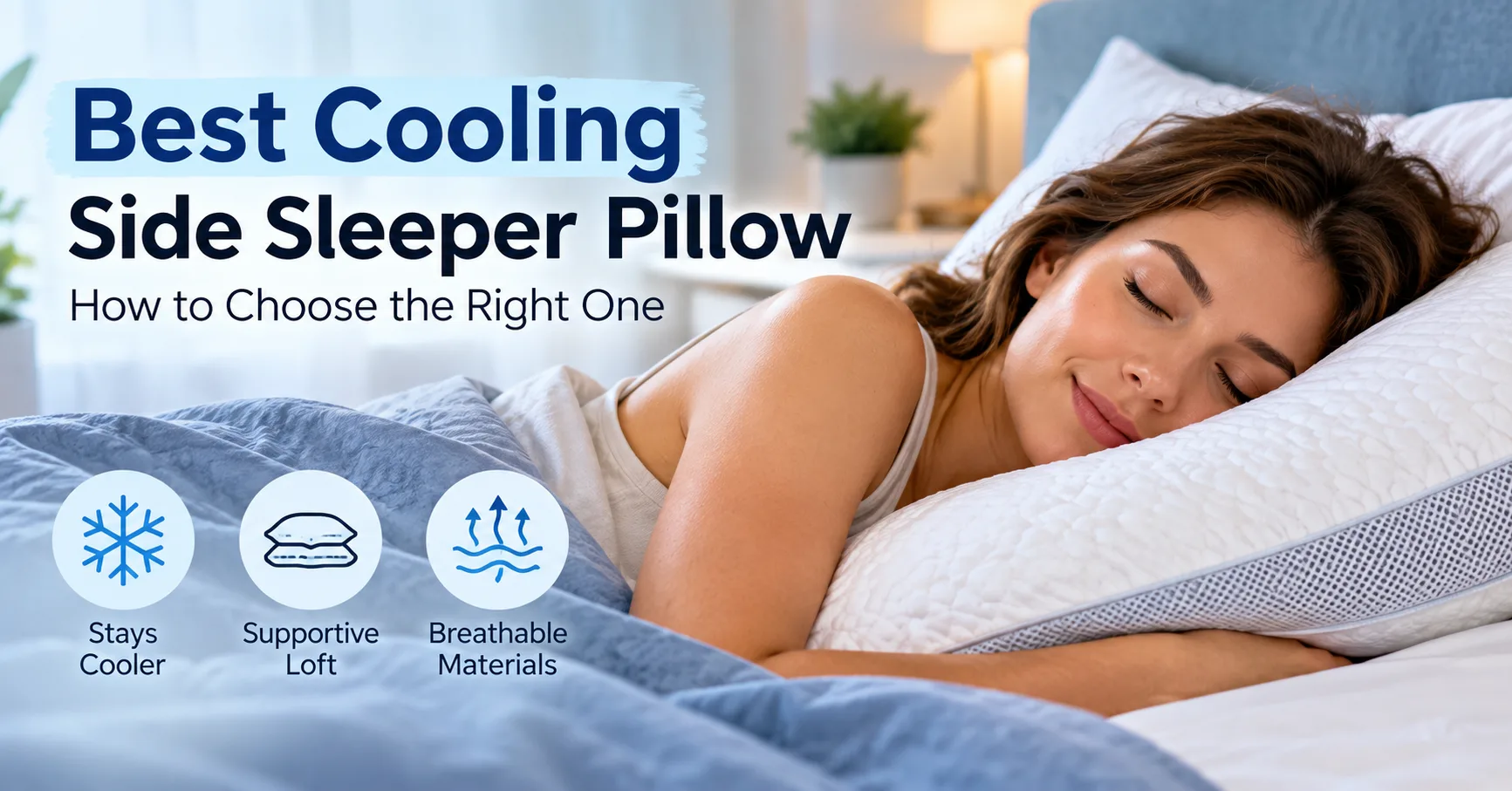
Hot sleepers may face an additional challenge. A pillow that feels comfortable initially can become warm during the night, making it difficult to maintain a comfortable sleeping environment. This is why many people search for a cooling side sleeper pillow that combines appropriate support with breathable materials.
However, not every cooling pillow is designed with side sleepers in mind. Understanding pillow loft, material construction, airflow, and personal sleeping preferences can help you make a more informed decision.
Why Side Sleepers Need the Right Pillow
Side sleeping is a common sleeping position, but it creates specific support requirements.
When someone sleeps on their side, the head and neck need support that accommodates the distance between the shoulder and the mattress. A pillow that is too low may allow the head to tilt downward, while a pillow that is too high may push the head upward.
The ideal pillow should help maintain a comfortable, neutral head and neck position.
Several factors influence how a pillow feels for side sleepers:
- Shoulder width
- Mattress firmness
- Pillow height or loft
- Pillow material
- Personal comfort preferences
- Sleeping temperature
A pillow that works well for one person may not feel equally comfortable for another. This is why choosing a pillow based on individual needs is often more useful than relying on a single universal recommendation.
What Makes a Cooling Side Sleeper Pillow Different?
A cooling side sleeper pillow is designed to address two important considerations: comfortable support and temperature management.
Traditional pillows may retain warmth depending on their materials, density, and construction. Some modern pillows use breathable fabrics, ventilation, or materials designed to improve airflow.
However, the term “cooling” can describe different product features.
Some pillows use breathable covers that allow air to move more freely. Others incorporate gel-infused materials or specially designed foam structures. Certain pillows focus on reducing heat retention rather than actively lowering temperature.
When evaluating a cooling pillow, it is helpful to understand what the product actually offers instead of relying entirely on marketing descriptions.
Breathable Pillow Covers
The pillow cover is one of the first components that influences how a pillow feels against the skin.
Breathable fabrics may help improve airflow and reduce the feeling of trapped warmth. A removable and washable cover can also make regular pillow maintenance easier.
For hot sleepers, checking the fabric composition and care instructions is a practical starting point.
Pillow Materials and Airflow
Different pillow materials respond differently to body weight, pressure, and heat.
Memory foam is known for contouring to the shape of the head and neck. Depending on its construction, it may retain more heat than some other materials.
Latex pillows often provide a more responsive feel and may allow better airflow through their structure.
Down, feather, and alternative fiber pillows can also offer different combinations of softness, breathability, and support.
There is no single material that guarantees a cooler sleeping experience for everyone. The overall construction of the pillow matters just as much as the material itself.
How Pillow Loft Affects Side Sleeping Comfort
Pillow loft refers to the height or thickness of a pillow.
For side sleepers, loft is especially important because the pillow needs to accommodate the space between the head and the mattress.
A pillow with insufficient loft may allow the head to angle downward. A pillow with excessive loft may push the head upward.
The appropriate loft depends on several individual factors.
Shoulder Width
People with broader shoulders may require a higher pillow to accommodate the distance between the head and mattress.
People with narrower shoulders may find that a lower pillow provides a more comfortable position.
Mattress Firmness
A softer mattress allows the shoulder to sink further into the sleeping surface. This can reduce the distance between the head and mattress.
A firmer mattress may allow less shoulder sinking, which can influence the pillow height needed for comfortable alignment.
Pillow Adjustability
Adjustable pillows allow users to modify the amount of filling inside the pillow.
This can be useful for side sleepers who are unsure about their preferred pillow loft. Adjustability may also help accommodate changes in sleeping preferences.
When comparing pillows, look for clear information about their height, filling, and whether the loft can be modified.
What to Look for in a Cooling Pillow for Side Sleepers
Choosing a pillow becomes easier when you evaluate several important features together.
1. Comfortable Support
A cooling pillow should not sacrifice support simply to create a softer or cooler surface.
Side sleepers generally benefit from a pillow that comfortably accommodates the head and neck while maintaining an appropriate height.
Consider how the pillow responds to pressure and whether it maintains its shape during use.
2. Temperature Management
Hot sleepers should look for information about the pillow's materials and construction.
Useful features may include:
- Breathable pillow covers
- Ventilated foam structures
- Materials designed to reduce heat retention
- Moisture-managing fabrics
- Removable covers for easier cleaning
These features can contribute to a more comfortable sleep environment, although results vary depending on the individual and surrounding conditions.
3. Appropriate Firmness
Pillow firmness and pillow loft are different characteristics.
Firmness describes how a pillow feels when pressure is applied. Loft describes its height.
A pillow can be relatively soft while maintaining sufficient height, or it can feel firm while having a lower profile.
Side sleepers should consider both characteristics when selecting a pillow.
4. Ease of Maintenance
Pillow maintenance is another important consideration.
Some pillows have removable covers that can be washed separately. Others require specific cleaning methods.
Before purchasing, review the manufacturer's care instructions to understand how to maintain the pillow over time.
Common Mistakes When Buying a Cooling Side Sleeper Pillow
Many shoppers focus exclusively on cooling claims without considering the pillow's overall suitability.
Here are a few common mistakes worth avoiding.
Choosing a pillow based only on softness
A very soft pillow may feel comfortable initially but may not provide the desired support throughout the night.
Ignoring pillow height
A pillow that is too high or too low may not accommodate the natural position of the head and neck.
Assuming every cooling pillow feels cold
Cooling technology varies between products. Some pillows focus on breathability or reducing heat retention rather than producing an actively cold sensation.
Overlooking the mattress
The mattress influences how much the shoulder sinks into the sleeping surface. This can affect the pillow height that feels comfortable.
Ignoring personal preferences
Sleeping temperature, body proportions, preferred firmness, and sleeping habits all influence pillow selection.
Exploring Pillow Options for Side Sleepers
People searching for a cooling side sleeper pillow may benefit from exploring products designed specifically for side sleeping comfort.
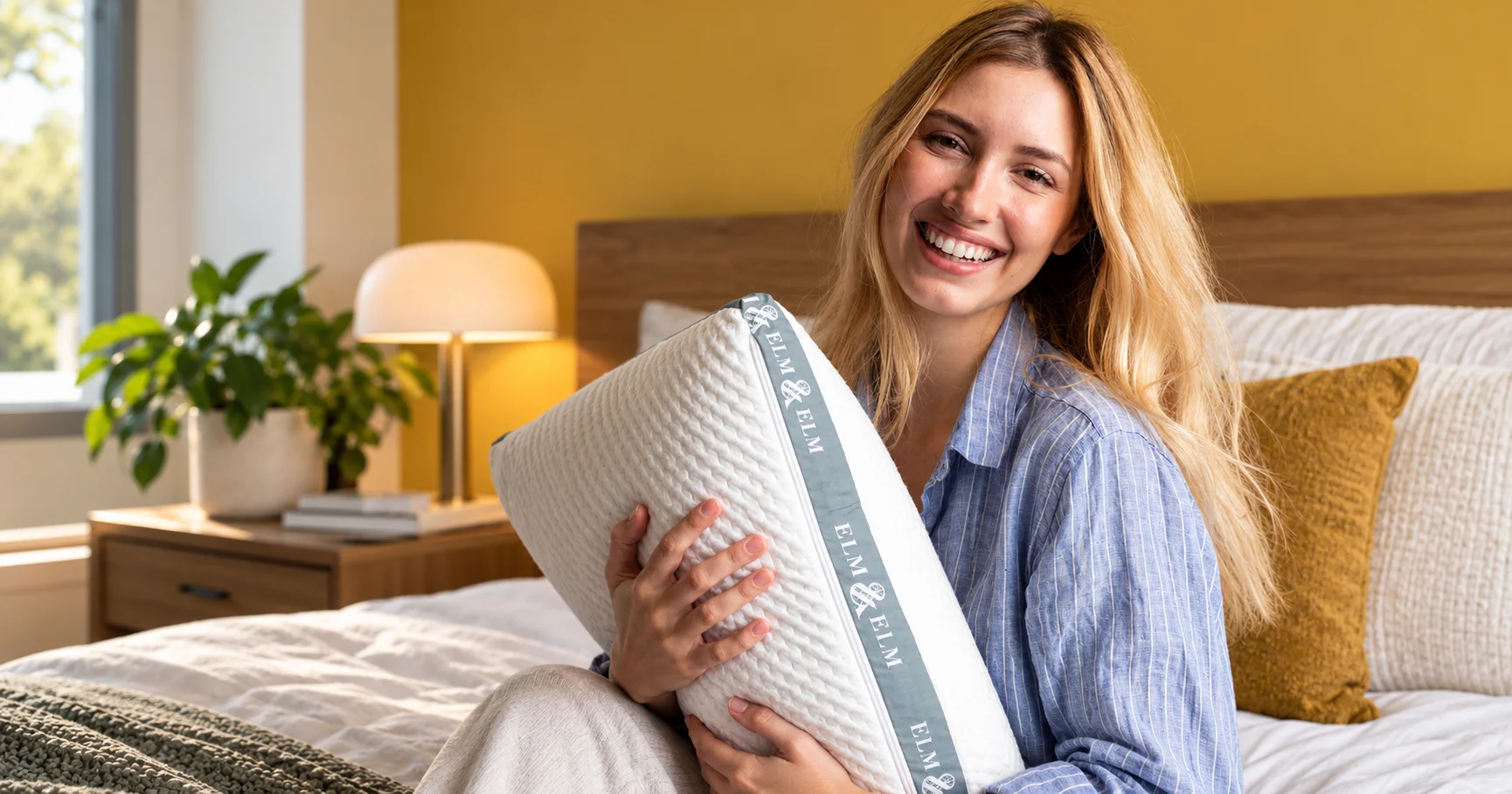
Eli & Elm offers a dedicated Side Sleeper Pillow designed around the needs of side sleepers.
When comparing pillow options, shoppers can review the product's construction, materials, support characteristics, and available care instructions to determine whether it matches their preferences.
You can explore the Eli & Elm Side Sleeper Pillow to learn more about the product and its features.
Comparing product specifications with your individual sleeping needs can help you make a more informed purchasing decision.
Final Thoughts
Choosing a cooling side sleeper pillow involves understanding how pillow height, materials, airflow, and support work together.
Side sleepers should consider their shoulder width, mattress firmness, preferred pillow feel, and sleeping temperature before making a decision.
A breathable pillow may help create a more comfortable sleep environment, while an appropriate loft can help accommodate the space between the head and mattress.
Rather than choosing a pillow based on a single feature, consider the complete sleeping experience. Understanding your individual needs is an important step toward finding a pillow that feels comfortable and supports your preferred sleeping position.
With the right combination of comfort, support, and temperature management, finding a suitable pillow can become a much more straightforward process.