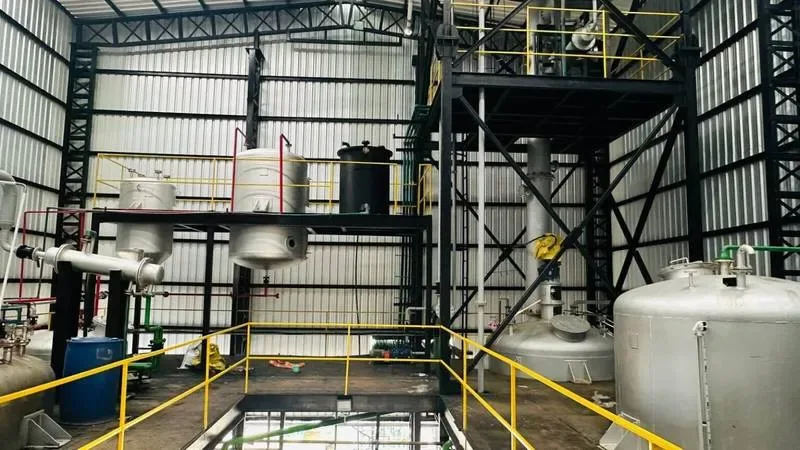
Modern industries and governments are increasingly focusing on renewable energy solutions to reduce environmental pollution, lower dependence on fossil fuels, and support sustainable economic growth. One of the most important renewable energy technologies supporting this transformation is the biodiesel plant. Biodiesel production systems help convert natural and renewable resources into cleaner fuel alternatives suitable for industrial and transportation applications.
Today, industries and investors increasingly recognize the importance of a reliable biodiesel plant in Malaysia because of the country’s growing focus on renewable energy development and environmentally responsible industrial infrastructure.
Biodiesel plants are becoming highly valuable for modern economies because they support green energy production, improve waste management, reduce harmful emissions, and contribute to sustainable industrial development.
As global demand for renewable fuel continues increasing, biodiesel technology is expected to play an important role in the future of clean energy systems.
Understanding Biodiesel Plant Technology
A biodiesel plant is an industrial facility designed to produce biodiesel fuel from renewable biological sources such as vegetable oils, animal fats, used cooking oils, and agricultural waste materials.
The production process typically involves chemical reactions that convert raw oils into biodiesel fuel suitable for engines and industrial applications.
Modern biodiesel plants use advanced processing systems, filtration technologies, and automated production infrastructure to improve fuel quality and operational efficiency.
These facilities are designed to maintain stable production conditions while reducing environmental impact and supporting sustainable fuel manufacturing practices.
Reliable biodiesel production systems are becoming increasingly important for modern renewable energy infrastructure.
Importance of Renewable Energy Development
The growing global demand for energy has increased concerns about environmental pollution and fossil fuel dependency.
Traditional fossil fuels contribute significantly to greenhouse gas emissions and environmental degradation. Renewable fuels such as biodiesel provide a cleaner alternative capable of supporting sustainable energy development.
Some important renewable energy advantages include:
- Reduced carbon emissions and environmental pollution
- Better utilization of renewable and waste resources
- Improved energy sustainability and fuel diversification
These benefits help countries and industries move toward cleaner and more environmentally responsible energy systems.
Biodiesel plants support this transition by producing renewable fuel suitable for modern industrial and transportation requirements.
Reduced Environmental Pollution
One of the biggest advantages of biodiesel plants is their contribution to environmental protection.
Biodiesel fuel produces lower levels of harmful emissions compared to many conventional fossil fuels. This helps reduce air pollution and supports cleaner industrial operations.
The use of renewable feedstock materials also helps minimize waste generation and improve resource utilization.
Many biodiesel plants process used cooking oil and agricultural waste materials that would otherwise contribute to environmental pollution.
By converting waste materials into valuable fuel products, biodiesel technology supports cleaner and more sustainable industrial practices.
Improved environmental management contributes directly to healthier ecosystems and better public health conditions.
Support for Sustainable Industrial Growth
Modern industries increasingly focus on sustainability and environmentally responsible production systems.
Biodiesel plants support sustainable industrial development by providing renewable energy solutions capable of reducing dependence on non-renewable fuel resources.
Renewable fuel infrastructure helps industries improve environmental compliance and maintain more sustainable manufacturing operations.
Stable biodiesel production also supports long-term energy security and economic development.
As industries continue investing in green infrastructure, biodiesel technology is becoming increasingly important for sustainable industrial growth.
Environmentally responsible operations contribute directly to long-term industrial stability and economic progress.
Energy Security and Fuel Diversification
Global energy markets often face challenges related to fuel price fluctuations and fossil fuel availability.
Biodiesel plants help improve energy security by supporting local renewable fuel production and reducing reliance on imported fossil fuels.
Renewable energy diversification also helps countries maintain more stable and resilient energy infrastructure.
Biodiesel fuel can be blended with traditional diesel fuel and used in multiple industrial and transportation applications.
This flexibility makes biodiesel an important alternative energy solution for modern economies.
Improved energy independence contributes directly to stronger industrial infrastructure and long-term economic stability.
Applications Across Multiple Industries
Biodiesel fuel is widely used across multiple industrial sectors because of its versatility and renewable characteristics.
Transportation industries use biodiesel as an alternative fuel for commercial vehicles and logistics operations.
Agricultural industries use biodiesel-powered machinery for farming and irrigation systems.
Industrial manufacturing facilities increasingly use biodiesel fuel to support environmentally responsible operations.
Power generation systems, marine industries, construction equipment, and public transportation infrastructure also benefit from biodiesel energy solutions.
The wide range of applications highlights the growing importance of biodiesel plants in modern renewable energy infrastructure.
Improved Waste Management and Resource Utilization
Modern industries and urban environments generate significant amounts of organic waste and used cooking oil.
Biodiesel plants help improve waste management by converting these materials into useful fuel products instead of allowing them to become environmental pollutants.
Efficient waste recycling contributes directly to cleaner urban environments and reduced landfill pressure.
Resource recovery systems also improve overall sustainability and operational efficiency within renewable energy infrastructure.
Better utilization of renewable materials helps industries support environmentally responsible development practices.
Effective waste management contributes directly to long-term environmental sustainability.
Support for Green Employment and Economic Development
Renewable energy industries continue creating new employment opportunities and supporting economic growth.
Biodiesel plants contribute to industrial development by generating jobs related to production, logistics, engineering, maintenance, and renewable energy operations.
The expansion of biodiesel infrastructure also supports agricultural industries and renewable resource supply chains.
Growing investment in renewable fuel systems contributes directly to industrial innovation and sustainable economic development.
As green energy sectors continue expanding, biodiesel plants are expected to remain important contributors to future industrial growth.
Renewable energy development supports both environmental protection and economic progress.
Importance of Advanced Production Infrastructure
The efficiency and reliability of biodiesel plants depend heavily on production technology, process control systems, and operational management.
Modern biodiesel facilities use advanced automation systems, filtration technologies, and quality monitoring infrastructure to maintain stable fuel production.
High-quality processing systems improve operational efficiency and help maintain consistent biodiesel fuel standards.
Reliable renewable fuel infrastructure is essential for supporting long-term industrial growth and sustainable energy development.
Companies like Advance Biofuel contribute to renewable energy infrastructure by supporting advanced biodiesel production technologies designed for modern industrial applications.
Future of Biodiesel Plant Technology
The future of biodiesel plant technology looks highly promising as industries and governments continue investing in renewable energy infrastructure and sustainable development programs.
Modern biodiesel systems are being developed with improved efficiency, advanced automation, and better feedstock processing capabilities.
The growing global demand for cleaner fuel alternatives is expected to increase the importance of biodiesel infrastructure even further.
As industries continue moving toward sustainable energy systems, biodiesel plants are expected to remain essential components in future renewable energy development.
Advanced renewable fuel technologies will continue supporting cleaner and more environmentally responsible industrial operations.
Conclusion
Biodiesel plants provide several important advantages that support eco-friendly industrial development, renewable energy growth, and environmental sustainability.
Their ability to reduce pollution, improve waste management, support energy security, and promote sustainable industrial infrastructure makes them highly valuable for modern economies.
From transportation and agriculture to manufacturing and renewable power generation systems, biodiesel technology continues supporting cleaner and more sustainable industrial operations.
As global industries continue focusing on renewable energy and environmentally responsible development, biodiesel plants are expected to remain an essential part of future industrial and energy infrastructure.