A reliable power backup system can make a significant difference when electricity supply becomes unpredictable. From keeping lights switched on to powering essential communication devices, an appropriately sized inverter system helps households maintain their daily routines during outages.
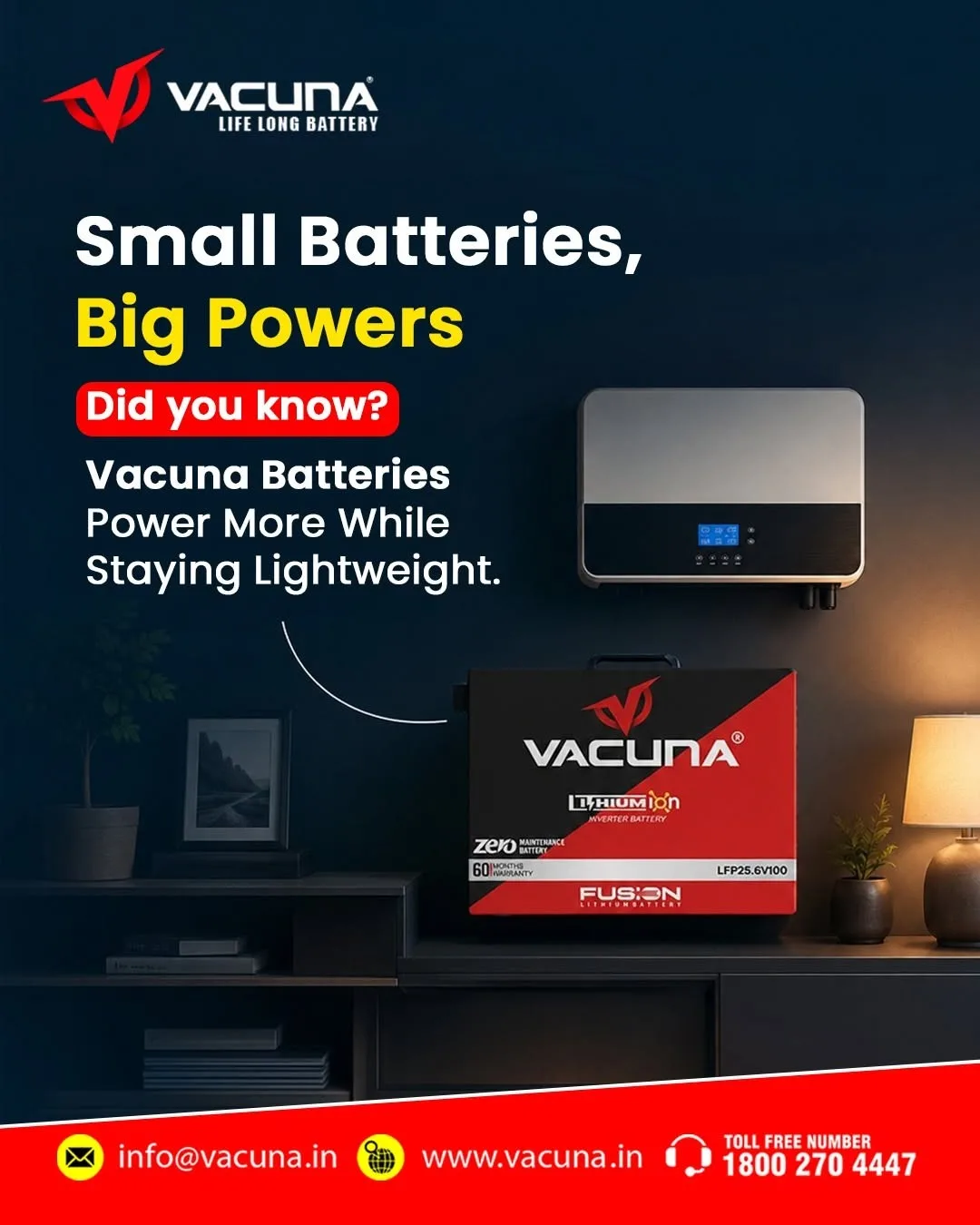
Battery technology has developed considerably, giving consumers more options than traditional lead-acid systems alone. A Lithium Ion Battery for Inverter can provide a modern alternative for homeowners who value efficient energy storage, compact construction, and reduced routine maintenance.
Before selecting a battery, it is important to understand how it works, what advantages it offers, and which technical details matter most.
Understanding the Working Process
An inverter backup system generally consists of a battery, an inverter, suitable wiring, and connected electrical appliances. The battery stores energy when charging power is available. The inverter then converts the battery's direct current into alternating current for compatible household equipment.
When the electricity supply fails, the inverter draws energy from the battery. The length of the backup period depends on usable battery capacity, the total connected load, conversion losses, and the battery's operating limits.
For example, a household running a few LED lights, fans, and a Wi-Fi router will generally need less energy than a household operating several high-power appliances. Understanding this difference helps prevent undersizing or unnecessary spending on excessive capacity.
Why Consider Lithium Battery Technology?
Compact and lightweight construction
Lithium batteries can provide a useful amount of stored energy without the weight associated with many traditional battery designs. This can simplify handling and create more flexibility when planning an installation.
Potentially longer cycle life
Many lithium battery models are designed to withstand numerous charging cycles. However, performance varies between products, so buyers should check published cycle-life ratings and the conditions under which those ratings were measured.
Less routine maintenance
Certain lithium battery designs do not need the regular water replenishment required by flooded lead-acid batteries. Although this reduces some maintenance tasks, correct installation and periodic checks remain important.
Consistent performance within operating limits
A properly selected lithium battery can deliver dependable performance when used within its specified voltage, current, temperature, and discharge limits. Battery management electronics can help monitor these conditions and protect the cells.
Calculating Your Home's Battery Requirements
The first step is identifying the appliances that must remain operational during a power cut. Add their wattage to estimate the total load, then determine the number of hours of backup you require.
A simplified calculation is:
Required energy in watt-hours = Total load in watts × Backup hours.
For instance, a combined load of 300 watts operating for four hours would consume approximately 1,200 watt-hours at the appliance level. The battery needs additional capacity to account for inverter losses and operating limits.
This is an initial estimate rather than a final sizing recommendation. Starting currents, appliance duty cycles, battery specifications, and future requirements should also be considered.
Vacuna Batteries offers information about its lithium battery range at https://vacuna.in/lithium-batteries, helping interested customers explore available solutions before choosing a system.
Important Compatibility Checks
Not every lithium battery works with every inverter. Check the following before purchasing:
- Battery voltage and inverter compatibility.
- Supported lithium chemistry and charging profile.
- Continuous discharge current and surge requirements.
- Battery management system protections.
- Communication requirements, where applicable.
- Warranty conditions and local service support.
Professional installation is advisable when the system requires configuration changes, dedicated protection devices, or electrical modifications.
Is It a Cost-Effective Choice?
The initial purchase price is only one part of battery ownership. A fair comparison should consider usable capacity, expected service life, efficiency, maintenance, warranty coverage, and replacement costs.
A lithium option may be attractive for users who value reduced maintenance and cycle life, but the best choice depends on their budget, electricity usage, and backup needs. Compare equivalent capacities and operating conditions rather than relying on marketing claims alone.
Frequently Asked Questions
Can I replace my existing lead-acid battery with lithium?
Possibly, but only if the inverter supports the proposed battery and its charging requirements. Confirm compatibility before replacing the existing unit.
Does a higher-capacity battery provide longer backup?
Generally, yes, when the connected load remains the same and the additional capacity is usable. Actual backup time varies with system efficiency and operating conditions.
Can an inverter battery power every appliance?
No. The inverter must support the required continuous power and surge demand. High-power appliances may require a larger or differently configured system.
Conclusion
A carefully selected lithium battery can help improve the flexibility of a home backup system. The key is to match capacity, inverter compatibility, and safety requirements to the household's actual needs.