
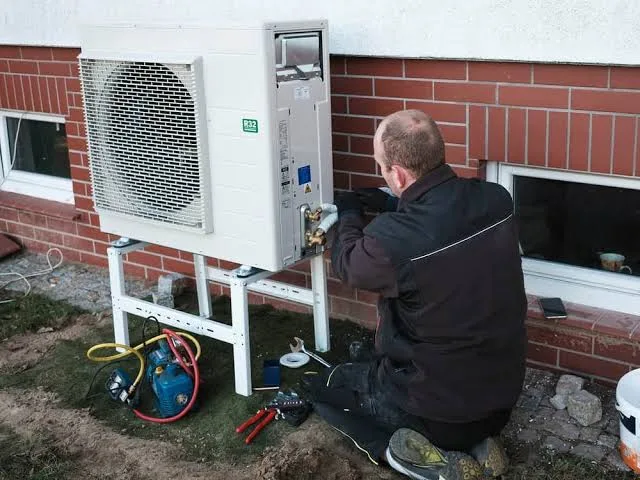
Heat pumps have become one of the most talked-about HVAC upgrades in recent years, and for Bay Area homeowners specifically, they often make more sense than the traditional furnace-and-AC combination. Here's a straightforward look at how heat pumps actually work, what installation involves, and how to know if one is the right call for your home.
How a Heat Pump Actually Works
Unlike a furnace, which generates heat by burning gas, a heat pump moves heat rather than creating it. In winter, it extracts heat from the outside air (yes, even cold air still contains extractable heat) and moves it indoors. In summer, it reverses the process, pulling heat out of your home the same way a traditional AC does. This dual function is the main appeal — a single system handles both heating and cooling, replacing the need for a separate furnace and air conditioner.
Because the Bay Area's climate rarely sees extreme cold, heat pumps here tend to perform efficiently year-round without the performance drop-off that happens in genuinely frigid climates, which makes this region particularly well-suited to the technology.
Why Homeowners Are Switching to Heat Pumps
Lower operating costs over time. Because a heat pump moves heat rather than generating it through combustion, it typically uses significantly less energy than a gas furnace to produce the same amount of warmth, which shows up as lower monthly utility costs in most cases.
One system instead of two. Replacing an aging furnace and AC separately means two installations, two maintenance schedules, and two systems that can each fail independently. A heat pump consolidates that into one system.
Rebates and incentives. Heat pumps are frequently eligible for utility and government rebate programs aimed at reducing gas appliance use, which can meaningfully offset the installation cost. Availability and amounts change fairly often, so it's worth asking your HVAC company what currently applies in your area at the time you're getting quotes.
No gas line dependency. For homeowners interested in reducing gas appliance use in general, a heat pump removes the furnace's reliance on a gas connection entirely.
What Installation Actually Involves
A heat pump installation typically includes:
- A home assessment — sizing the system correctly for your home's square footage, insulation, and existing ductwork (or lack of it, in the case of ductless systems)
- Removal of the old system, if you're replacing an existing furnace and/or AC
- Installation of the outdoor unit and indoor air handler, along with any necessary electrical work, since heat pumps run on electricity rather than gas
- Ductwork evaluation and adjustments, if your existing ducts need modification to work efficiently with the new system
- System testing and calibration, confirming both heating and cooling modes function correctly before the technician leaves
For homes without existing ductwork, ductless mini-split heat pump systems are also an option, which avoid the need to install ducting throughout the house.
Is a Heat Pump Right for Your Home?
A few factors matter most in this decision:
- Your current system's age. If your furnace or AC is already near the end of its expected lifespan, replacing both with a single heat pump system often makes more sense than replacing them separately as each one eventually fails.
- Your home's electrical capacity. Since heat pumps run on electricity, older homes sometimes need an electrical panel assessment to confirm they can support the new system.
- Your ductwork situation. Homes with ductwork in good condition are typically straightforward heat pump candidates. Homes without ducts, or with ducts that need significant repair, may be better suited to a ductless system.
- Your household's heating and cooling patterns. Heat pumps are well-suited to consistent, moderate climate demands — which describes most of the Bay Area for the majority of the year.
What Installation Costs Depend On
Heat pump installation cost varies based on system size, whether ductwork needs modification, the complexity of any required electrical work, and which specific unit and efficiency tier you choose. Getting an accurate number requires an in-home assessment rather than a phone estimate, since your home's specific ductwork and electrical situation both factor directly into the final cost and scope of work.
How Kailey Air Systems Handles Heat Pump Installation
We've installed and serviced heating and cooling systems across San Jose and the greater Bay Area for 27 years, and heat pump installation has become one of our more frequent requests as more homeowners look to consolidate heating and cooling into a single, more efficient system. Our process includes:
- A thorough in-home assessment before providing any installation quote
- Guidance on current rebate eligibility for your specific situation
- Flat-rate, upfront pricing confirmed before installation begins
- Licensed, EPA-certified technicians handling the full installation, from removal of the old system through final testing
- A 90-day workmanship guarantee on completed installations
Final Thoughts
A heat pump installation replaces the need for a separate furnace and AC with a single, typically more efficient system — one that's particularly well-suited to the Bay Area's mild climate. Whether it's the right move for your home depends on your current system's age, your ductwork, and your home's electrical setup, which is why an in-home assessment matters more than any general online estimate. Call us at (408) 300-0016 to schedule an assessment and get a straightforward answer on whether a heat pump makes sense for your home.