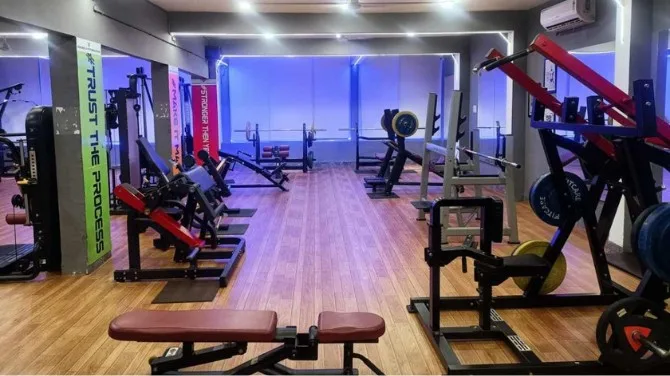
Starting a fitness journey can feel challenging, especially when you are balancing work, studies, family responsibilities, and other daily commitments. Finding a suitable gym in Indore is one step toward building a healthier lifestyle, but long-term progress depends on creating realistic habits and following a routine that fits your needs. Whether you are a beginner or returning to exercise after a long break, the right approach can make workouts more manageable and enjoyable.
Many people begin exercising with ambitious goals but struggle to maintain consistency after the first few weeks. An overly demanding workout schedule, unrealistic expectations, or a lack of proper guidance can make it difficult to continue. Instead of focusing only on quick results, it is better to develop a sustainable routine that gradually improves strength, endurance, mobility, and overall fitness.
1. Define Your Fitness Goals Before Starting
Before joining a gym, identify what you want to achieve. Your goals may include building muscle, improving stamina, managing body weight, increasing strength, or becoming more physically active. Having a clear objective helps you select appropriate exercises and measure progress over time.
For example, someone interested in strength development may focus on resistance exercises, while a person looking to improve cardiovascular endurance may include brisk walking, cycling, or other cardio activities. Beginners often benefit from a balanced routine that introduces different types of movement gradually.
Your goals should also be realistic. Instead of expecting dramatic changes within a few days, establish smaller milestones, such as attending planned workout sessions regularly or improving exercise technique. Consistent progress is generally more sustainable than following an extreme routine that is difficult to maintain.
2. How to Choose the Best Gym in Indore
Choosing the best gym in Indore involves more than comparing membership fees or looking at photographs online. A suitable gym should fit your goals, schedule, budget, and preferred training style.
Start by checking the available equipment and workout facilities. If your goal is strength training, look for appropriate free weights, resistance machines, and enough space to perform exercises comfortably. If you prefer cardiovascular workouts, check the availability and condition of relevant equipment.
Cleanliness, ventilation, equipment maintenance, and the general atmosphere also matter. A well-maintained environment can make exercise more comfortable, particularly for people who are new to gym training.
Trainer support is another important consideration. Ask whether assistance is available for learning exercise techniques, planning workouts, and selecting appropriate levels of difficulty. Beginners should feel comfortable asking questions instead of feeling pressured to perform exercises they do not understand.
Before making a decision, visit the facility if possible. Ask about operating hours, peak periods, membership conditions, and any additional charges. Comparing these practical factors can help you choose a gym that suits your needs.
3. Create a Workout Schedule You Can Maintain
A common mistake among beginners is starting with too many workout sessions before developing the habit. A demanding schedule can become difficult to manage when work or personal responsibilities increase.
Begin with a realistic number of sessions each week and adjust as your fitness and schedule develop. Consistency is more important than attempting an intense routine for a short period and then stopping altogether.
Planning workouts in advance can help. Decide which days and times are most convenient, prepare your workout clothes beforehand, and allow enough time for travel and recovery. If mornings are difficult because of your work schedule, consider whether another time of day would be easier to maintain.
When evaluating a gym in Indore, consider its location and operating hours as part of this decision. A convenient facility can reduce travel barriers and make it easier to fit exercise into everyday life.
4. Understand the Role of Strength Training
Strength training involves working muscles against resistance. This can include free weights, resistance machines, resistance bands, or bodyweight exercises. When performed appropriately, resistance training can improve muscular strength, support bone health, and make everyday physical activities easier.
Beginners should focus on technique before increasing weight. Learning how to control movement, maintain appropriate posture, and use equipment correctly can help establish good training habits.
A balanced strength routine usually addresses the major muscle groups over the course of the training week. Exercises can be adjusted according to experience, mobility, available equipment, and individual goals.
Progress should be gradual. Increasing resistance, repetitions, or exercise difficulty too quickly may interfere with technique and recovery. If you are unfamiliar with an exercise, seek guidance from a qualified fitness professional rather than relying entirely on guesswork.
5. Include Cardio and Mobility Exercises
Strength training is only one part of a well-rounded fitness routine. Cardiovascular exercise supports heart health and endurance, while mobility exercises can help you work on comfortable movement through the ranges of motion required for daily activities and training.
Suitable cardio options may include walking, cycling, jogging, or using cardio machines. The right choice depends on your current fitness, preferences, and any physical limitations.
Mobility work and warm-ups can prepare you for your workout, while appropriate cool-down activities may help you transition back to normal activity. However, no single warm-up or stretching routine guarantees injury prevention, so exercise selection and intensity should also be appropriate for your abilities.
When choosing the best gym in Indore, consider whether the available space and equipment support the different forms of exercise you intend to perform.
6. Nutrition and Hydration Support Your Progress
Exercise is one part of a healthy lifestyle, but food choices and hydration also influence how you feel and perform during workouts. Your body needs adequate energy and nutrients to support training, recovery, and everyday activities.
A balanced eating pattern can include vegetables, fruits, whole grains, suitable protein sources, and healthy fats. Individual requirements vary according to factors such as age, activity level, preferences, and personal health goals.
Hydration is equally important, especially when exercising in warm conditions. Drink fluids regularly and adjust intake according to your activity and environment.
Avoid assuming that expensive supplements or restrictive diets are necessary for progress. Many people can build a practical fitness routine by focusing first on regular exercise, balanced meals, sufficient sleep, and recovery. For individualized nutrition advice or medical concerns, consult an appropriately qualified professional.
7. Why Rest and Recovery Matter
Training places demands on your body, and recovery helps you adapt to those demands. Exercising intensely every day without sufficient rest can make it harder to maintain performance and may increase the risk of overuse problems.
Sleep, appropriate workout spacing, balanced nutrition, and adjusting exercise intensity all contribute to recovery. Beginners may need additional time to become comfortable with a new training schedule.
Pay attention to how you feel. Ordinary muscle soreness can occur after unfamiliar exercise, but persistent or severe pain should not be ignored. Stop activities that cause concerning symptoms and seek appropriate professional advice when necessary.
A good fitness plan should be challenging enough to encourage improvement without making recovery an afterthought.
8. Track Progress Beyond the Weighing Scale
Body weight alone does not provide a complete picture of fitness progress. Improvements may also appear in exercise technique, strength, stamina, mobility, energy levels, and the ability to follow a regular routine.
Keeping a simple workout record can help you understand what you are doing and identify gradual improvements. Record exercises, sets, repetitions, and resistance where appropriate. You can also note how manageable the session felt and whether you completed your planned workout.
Avoid changing your entire routine because of a single difficult session or a short-term fluctuation in weight. Progress can vary from week to week, and individual results depend on many factors.
Focus on sustainable improvements rather than comparing yourself with other gym members. Your routine should be based on your own goals, abilities, and circumstances.
9. Make Your Fitness Routine Fit Your Lifestyle
The most useful workout plan is one you can realistically follow. Consider your working hours, commuting time, family responsibilities, sleep schedule, and preferred activities before committing to a routine.
Some people enjoy structured training sessions, while others prefer a mix of gym workouts and outdoor activities. Your routine can evolve as your interests and circumstances change.
If motivation declines, revisit your goals and identify what is making exercise difficult. You may need to adjust workout duration, change the time of day, seek guidance, or choose activities you find more enjoyable.
When looking for a gym in Indore, assess whether the facility supports the way you prefer to train. A suitable environment can make it easier to establish exercise as a regular habit instead of treating it as a temporary project.
10. Explore PowerUp Fitness Gym in Indore
If you are comparing local fitness facilities, PowerUp Fitness Gym is one option to explore. Review the gym's available facilities and training offerings, then contact the team to confirm current membership plans, operating hours, and the type of support available.
Before joining, consider whether the location, equipment, environment, and membership terms suit your personal requirements. If possible, visit the facility and ask questions about getting started, especially if you are new to structured exercise.
Choosing a gym is a personal decision. The goal is to find a place where you can train comfortably, follow a suitable routine, and work toward your fitness goals at a manageable pace.
Conclusion
Starting a fitness journey does not require an extreme workout plan or immediate lifestyle changes. It begins with realistic goals, appropriate exercise, regular practice, and enough time for recovery.
When choosing the best gym in Indore, compare equipment, trainer support, cleanliness, convenience, and membership conditions rather than focusing on price alone. Once you find a suitable facility, build a routine that fits your schedule and increase your training gradually.
Long-term fitness is built through sustainable habits. By combining regular exercise with balanced nutrition, adequate sleep, and realistic expectations, you can create a routine that supports your health and well-being over time.