
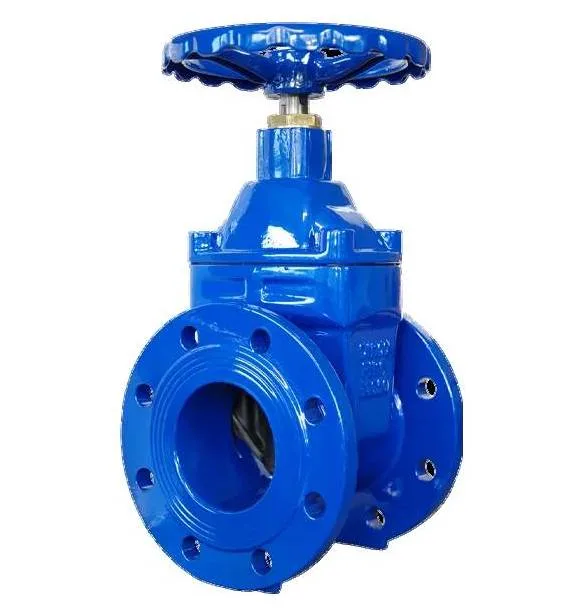
Gate valves are among the most widely used valves in industrial piping systems because of their dependable shut-off capability and robust construction. Designed primarily for on/off service, these valves provide unrestricted flow when fully open and reliable isolation when closed. Their simple operating mechanism, combined with long service life, makes them suitable for industries such as water treatment, oil and gas, chemical processing, power generation, and manufacturing. Selecting a trusted Gate Valve Supplier helps industries obtain high-quality valves that contribute to safe operations and long-term system reliability.
Understanding Gate Valves
A gate valve is a linear motion valve designed to start or stop the flow of liquids or gases. It operates using a gate or wedge that moves vertically inside the valve body. When the gate is fully raised, the flow path becomes almost unrestricted, allowing media to pass through with minimal pressure loss. Lowering the gate creates a tight seal that stops the flow completely.
Because of this design, gate valves are generally used in applications where the valve is either fully open or fully closed rather than for flow regulation.
Working Principle
The operation of a gate valve is straightforward.
Turning the handwheel rotates the threaded stem, which raises or lowers the internal gate. As the gate moves upward, the pipeline opens completely. When the gate moves downward, it seats firmly against the valve body, creating a reliable seal that prevents fluid movement.
This simple mechanism provides dependable isolation while reducing wear during normal operation.
Importance in Industrial Systems
Gate valves play an essential role in protecting industrial processes.
They allow operators to isolate equipment during maintenance, control pipeline sections, and safely stop fluid movement when necessary. Their full-bore design minimizes flow resistance, making them ideal for systems that require unrestricted flow.
Reliable isolation improves operational safety while supporting efficient maintenance procedures.
Applications Across Industries
Gate valves are used in numerous industrial sectors because of their versatility.
Typical applications include:
- Water distribution systems
- Wastewater treatment plants
- Oil and gas pipelines
- Petrochemical facilities
- Chemical processing industries
- Power generation plants
- Fire protection systems
- Marine engineering
- Mining operations
- Industrial utility services
Their ability to handle various fluids under different operating conditions makes them one of the most widely used industrial valves.
Advantages of Gate Valves
Gate valves offer several important operational benefits.
These include:
- Full-bore flow with minimal pressure loss
- Reliable shut-off capability
- Strong and durable construction
- Long operational life
- Suitable for high-pressure applications
- Low maintenance requirements
- Excellent sealing performance
- Availability in various sizes and materials
These characteristics make gate valves a dependable choice for critical industrial applications.
Material Selection
Choosing the correct material is essential for achieving reliable valve performance.
Gate valves are commonly manufactured using cast iron, ductile iron, carbon steel, stainless steel, bronze, and alloy steel depending on application requirements.
The selection depends on operating pressure, temperature, corrosion resistance, and media compatibility.
Appropriate material selection improves service life while reducing maintenance costs.
Manufacturing Quality
Precision manufacturing plays an important role in gate valve reliability.
Modern manufacturing facilities use advanced casting techniques, CNC machining, dimensional inspection, pressure testing, and leakage verification to ensure product consistency.
Strict quality control procedures help verify that each valve meets required performance standards before shipment.
High manufacturing standards contribute to dependable long-term operation.
Companies such as Mark & Aira Trading LLC operate within the industrial valve industry, supporting customers with flow control solutions for demanding industrial applications.
Installation and Maintenance
Proper installation helps maximize valve performance.
Pipelines should be cleaned before installation to remove debris that could damage sealing surfaces. Correct alignment minimizes mechanical stress and ensures smooth valve operation.
Routine maintenance should include inspection of the stem, seals, handwheel, and body connections. Periodic lubrication of moving parts and replacement of worn sealing components help maintain reliable performance.
Preventive maintenance extends valve life while reducing unexpected downtime.
Technological Advancements
Modern engineering continues improving gate valve performance.
Advanced machining technology, improved sealing materials, corrosion-resistant coatings, and precision manufacturing have significantly enhanced valve durability and operational reliability.
Improved testing procedures also ensure greater consistency across production batches while supporting international quality standards.
These advancements allow gate valves to perform efficiently in increasingly demanding industrial environments.
Future of Gate Valve Technology
Industrial infrastructure continues expanding across energy, water, manufacturing, and processing sectors.
Future gate valve development is expected to focus on improved materials, enhanced corrosion resistance, advanced sealing systems, and better compatibility with automated monitoring technologies.
These innovations will further improve safety, operational efficiency, and equipment reliability.
Conclusion
Gate valves remain one of the most trusted solutions for industrial flow isolation because of their durable construction, dependable sealing, and long operational life. Their ability to provide unrestricted flow when open and secure shut-off when closed makes them suitable for a wide range of industries, including water treatment, oil and gas, chemical processing, power generation, and manufacturing.
With proper material selection, precision manufacturing, correct installation, and regular maintenance, gate valves continue delivering reliable performance while protecting industrial systems and reducing operational downtime. As valve technology continues to advance, gate valves will remain an essential component of safe, efficient, and long-lasting industrial pipeline infrastructure.