Choosing the Right Furnace for Industrial Production
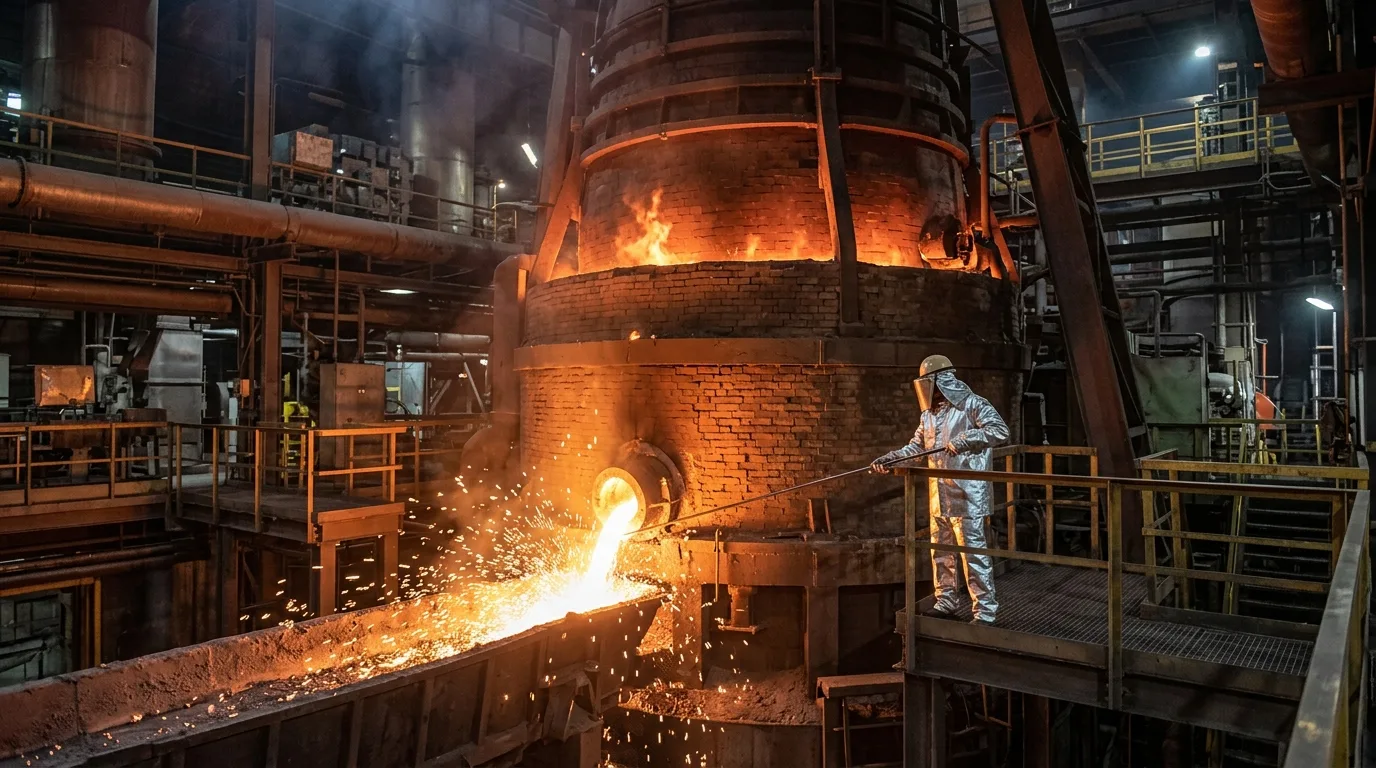
Industrial heating is not simply about reaching a high temperature. A production process may require controlled heating, melting, heat treatment, drying, or thermal processing while maintaining consistent results from one batch to the next. The right furnace provides the controlled environment needed to perform these operations efficiently.
Why Industrial Heating Equipment Matters
Temperature has a direct effect on many manufacturing processes. Metals may need to be melted, components may require heat treatment, and raw materials may need controlled thermal processing. Poor temperature control can affect product quality, increase energy consumption, and create unnecessary production delays.
How a Furnace Supports Modern Manufacturing
A properly selected heating system provides controlled temperature, suitable heat distribution, and an operating environment designed around the material being processed. The exact configuration depends on the application, material, required temperature, production volume, and heating method.
Selecting Equipment Based on the Process
The first step is to define what the equipment must accomplish. Melting, annealing, hardening, tempering, forging, ceramic processing, and other operations can have very different thermal requirements.
Common Types of Industrial Furnaces
Industrial heating systems are available in many configurations. Each type is designed around specific temperature ranges, materials, production cycles, and operating environments.
Electric Furnaces for Controlled Heating
Electric systems can provide precise temperature control and a clean heating environment for many industrial processes. They are often considered when consistent thermal performance and controllable operation are important.
Gas-Fired Furnaces for High-Volume Work
Gas-fired systems use fuel combustion to generate heat and can be suitable for applications requiring substantial thermal capacity. Burner configuration, insulation, airflow, temperature control, and fuel availability all influence performance.
Induction Furnaces for Metal Melting
Induction heating uses electromagnetic energy to heat conductive materials. Induction systems are commonly associated with metal melting and applications where rapid, controlled heating is required.
Heat Treatment Furnaces for Metal Processing
Heat treatment equipment is designed for processes such as annealing, hardening, tempering, and stress relieving. Temperature uniformity and controlled heating and cooling are important when processing metals.
Melting Furnaces for Metal Production
Melting systems are used to bring metals to their required liquid state for casting and other manufacturing operations. Capacity, alloy type, melting temperature, energy source, and production cycle should be considered during selection.
Key Features to Consider Before Buying
A heating system should be selected using measurable production requirements. Several specifications can directly affect energy use, output quality, operating cost, and equipment life.
Maximum Operating Temperature
The required temperature depends on the material and process. Buyers should identify both normal operating temperature and any peak temperature requirements before selecting equipment.
Chamber Size and Working Capacity
Chamber dimensions should match the size and quantity of material being processed. A chamber that is too small can restrict production, while excessive internal volume may increase energy requirements unnecessarily.
Temperature Uniformity
Reaching the target temperature is only part of the process. The temperature should also remain sufficiently uniform throughout the working area for applications where consistent treatment is required.
Heating Rate and Production Cycle
Some applications require rapid heating, while others depend on gradual temperature changes. Heating rate should therefore be considered alongside the complete production cycle.
Insulation and Heat Retention
Good insulation helps keep heat inside the working chamber and can reduce unnecessary energy loss. Insulation materials must also be suitable for the operating temperature and industrial environment.
Control Systems and Monitoring
Modern heating equipment can use digital controls, sensors, programmable cycles, alarms, and monitoring systems. These features can help operators maintain more consistent process conditions.
Energy Efficiency and Operating Cost
Energy is a major operating expense for many industrial heating applications. Equipment selection should consider the energy source, insulation, heating efficiency, cycle time, production volume, and maintenance requirements.
Furnace Applications Across Industries
Industrial heating equipment supports a wide range of manufacturing and processing operations. The ideal configuration depends on the material and process used by each industry.
Metal Foundries and Casting
Foundries require controlled melting systems for producing metal castings. Capacity, alloy requirements, temperature control, melting rate, and material handling all influence equipment selection.
Steel and Metal Processing
Steel and other metals may require heating, holding, annealing, hardening, tempering, or stress-relief processes. Consistent thermal conditions can help maintain repeatable production results.
Aluminium Processing
Aluminium has specific melting and processing characteristics that require suitable equipment design. Temperature control and material handling are important considerations for aluminium production.
Ceramic and Glass Manufacturing
Ceramic and glass processes can require high temperatures and carefully controlled heating cycles. Furnace construction, insulation, atmosphere, and temperature uniformity can affect the final product.
Heat Treatment Operations
Manufacturers use heat treatment to modify the mechanical properties of metals. Equipment must provide the required thermal cycle and controlled conditions for the selected process.
Manufacturing and Engineering Workshops
Industrial workshops may use heating systems for forging, component treatment, stress relieving, or other thermal processes. The equipment size should reflect the expected workload and production schedule.
Benefits of Choosing the Right Heating System
The value of industrial heating equipment is measured through production performance, product consistency, energy use, and maintenance requirements.
Consistent Temperature Control
Accurate control helps maintain the thermal conditions required by the production process. Consistency becomes especially important when products must meet repeatable specifications.
Improved Production Efficiency
A system designed around the actual production cycle can reduce unnecessary heating time and support more predictable processing schedules.
Better Product Quality
Incorrect temperature or uneven heating can affect material properties and final product characteristics. Properly selected equipment helps create a controlled thermal environment.
Reduced Energy Waste
Suitable insulation, efficient heating technology, correct chamber sizing, and optimized operating cycles can help reduce unnecessary energy consumption.
Lower Unplanned Downtime
Reliable components and planned maintenance can reduce unexpected interruptions. Equipment availability is particularly important in continuous or high-volume production.
How to Choose the Right Furnace
The buying process should start with the production requirements rather than a general equipment category.
Define the Material Being Heated
Identify whether the process involves steel, aluminium, copper, alloys, ceramics, glass, or another material. Different materials require different heating conditions.
Establish the Required Temperature
Determine the normal operating temperature, maximum temperature, heating rate, and required holding time. These figures provide a technical foundation for equipment selection.
Calculate Production Capacity
Estimate how much material must be processed per cycle or per hour. Capacity requirements should account for current production as well as realistic future needs.
Determine the Heating Method
Electric, gas, induction, and other heating methods have different operating characteristics. Fuel availability, power infrastructure, process requirements, and energy costs should be evaluated.
Review Installation Conditions
Available floor space, ventilation, electrical supply, fuel connections, exhaust requirements, and material handling systems can all affect installation.
Consider Maintenance and Spare Parts
Before purchase, ask about maintenance requirements, replacement components, service support, and expected equipment life. Accessible support can be important for international industrial operations.
Why Supplier Expertise Matters
Industrial heating equipment is a technical investment. A supplier should understand how equipment specifications connect with production requirements rather than simply offering a standard machine.
Sh Strong Mac's Industrial Equipment Expertise
Sh Strong Mac focuses on advanced industrial machinery and equipment, supported by continuous research and development, modern technology, quality-focused practices, and international customer requirements. Its global supply experience serves businesses across Asia, Africa, Europe, the USA, Canada, and Australia.
Global Industrial Heating Requirements
Industrial customers operate under different production conditions, energy systems, climates, facility layouts, and regulatory environments. Equipment selection therefore needs to account for the practical conditions at the installation site.
Safety and Operating Procedures
High-temperature equipment requires appropriate operating procedures, training, inspection, ventilation, protective equipment, and emergency planning. Operators should always follow the manufacturer's instructions and applicable workplace requirements.
Maintaining Industrial Heating Equipment
Maintenance is essential for keeping thermal equipment reliable. A planned maintenance schedule can help identify wear and performance changes before they cause major production problems.
Inspect Heating Elements and Burners
Electric heating elements and combustion components should be inspected according to manufacturer recommendations. Changes in heating performance can indicate wear or another issue requiring attention.
Check Insulation and Chamber Condition
Damaged insulation can increase heat loss and affect temperature stability. Chamber surfaces should also be inspected for cracking, contamination, or other conditions that may affect operation.
Monitor Sensors and Controls
Temperature sensors and control systems are critical to process accuracy. Regular inspection and calibration should be performed according to the equipment and process requirements.
Keep Operating Records
Recording temperatures, cycle times, maintenance activities, energy use, and production results can help identify changes in equipment performance and support better process management.
Customer Testimonials and Practical Feedback
Sample Customer Feedback on Industrial Heating
“Temperature consistency was one of our main concerns when evaluating heating equipment. We found that looking at chamber capacity, controls, insulation, and the complete production cycle gave us a much clearer purchasing picture.”
Sample Feedback on Equipment Selection
“Our focus was not simply on maximum temperature. We needed equipment that matched our material, batch size, cycle time, and daily production requirements.”
Common Purchasing Mistakes to Avoid
Choosing Only by Maximum Temperature
A high maximum temperature does not automatically mean the equipment is suitable. Temperature uniformity, heating rate, chamber capacity, and process control can be equally important.
Ignoring Energy Requirements
An equipment purchase should include an assessment of available electrical power, fuel supply, energy consumption, and expected operating hours.
Buying an Oversized Chamber
Extra capacity can be useful for future growth, but excessive chamber volume may increase heating time and energy use without improving current production.
Overlooking Maintenance Support
A heating system is a long-term investment. Buyers should understand maintenance requirements and the availability of technical support and replacement components.
Future Trends in Industrial Heating
More Efficient Thermal Systems
Manufacturers continue to focus on improving energy efficiency through better insulation, controls, heat recovery, burner technology, and electrical heating systems.
Digital Temperature Monitoring
Sensors and digital control systems can provide more detailed information about temperature profiles, cycle performance, and equipment conditions.
Automated Process Control
Automation can reduce manual adjustments and help maintain repeatable thermal cycles. The appropriate level of automation depends on production volume, process complexity, and investment requirements.
Make Your Heating Investment Count
The best equipment is not necessarily the largest or most powerful option. It is the system that provides the temperature, capacity, control, energy performance, and reliability required by the actual process.
A Practical Approach to Equipment Selection
Before requesting quotations, prepare key technical information including material type, target temperature, chamber dimensions, production capacity, heating cycle, energy source, and installation conditions.
Build More Consistent Production
A properly designed heating system can become an important part of a reliable production process. With suitable temperature control, maintenance, insulation, and operating procedures, manufacturers can improve consistency while managing energy and downtime.
Turn Your Requirements Into the Right Solution
Businesses planning a new industrial heating installation or replacing older equipment should discuss their complete process requirements with an experienced supplier. Clear technical information makes it easier to compare suitable equipment configurations.
Frequently Asked Questions
What is an industrial furnace used for?
An industrial furnace is used to heat, melt, treat, dry, or thermally process materials. Applications include metal melting, heat treatment, forging, ceramics, glass production, and other manufacturing processes.
How do I choose the right furnace?
Start with the material, required temperature, chamber size, production capacity, heating cycle, energy source, temperature uniformity, and installation conditions.
Why is temperature uniformity important?
Temperature uniformity helps ensure that material receives the intended thermal treatment throughout the working area. Uneven heating can affect product consistency and process results.
What is an electric furnace?
An electric furnace uses electrical energy to generate heat. It can provide controllable heating and may be suitable for applications where clean and precise temperature management is required.
How does an induction furnace work?
An induction system uses electromagnetic energy to generate heat within electrically conductive material. It is commonly used for metal heating and melting applications.
Why does furnace insulation matter?
Insulation helps reduce heat loss from the working chamber. Suitable insulation can support temperature stability and improve energy efficiency.
How often should industrial heating equipment be maintained?
Maintenance frequency depends on equipment design, operating hours, temperature, materials, and manufacturer recommendations. Regular inspections should be combined with scheduled servicing.
What information should I provide to a supplier?
Provide the material type, target temperature, production capacity, chamber size, cycle time, heating method, power or fuel availability, and installation conditions.
How can a business reduce heating costs?
Businesses can review insulation, heating efficiency, cycle time, chamber utilization, temperature settings, maintenance practices, and energy sources to identify opportunities for reducing unnecessary consumption.
Final Thoughts on Furnace Selection
Industrial heating plays an important role in manufacturing, metal processing, casting, ceramics, glass production, and many other sectors. The equipment selected can influence temperature control, product consistency, energy consumption, production capacity, and long-term operating costs.
A successful purchasing decision begins with the process itself. When material characteristics, temperature requirements, production volume, heating method, and installation conditions are clearly defined, businesses can make a more informed equipment choice.
With ongoing technological development and stronger attention to efficiency, modern industrial heating solutions continue to evolve. Businesses that select equipment around their actual production needs can create a more controlled, reliable, and productive thermal process.