A well-trained hunting dog is more than a skilled retriever. It is a dependable partner that listens to its handler, remains focused in distracting environments, and knows how to work confidently in the field. Developing these qualities takes patience and a thoughtful training plan, especially when working with a young dog.
For hunters and dog owners in Berryville, Virginia, understanding the fundamentals of hunting dog training can make the process more productive and enjoyable. Whether you have a Labrador Retriever, Golden Retriever, or another bird dog breed, good training begins with a strong foundation.
Start Training With the Basics
Anyone wondering how to train hunting dogs should begin with basic obedience rather than jumping directly into advanced field exercises. A dog should understand simple commands such as sit, stay, come, heel, and place.
These commands become especially important outdoors, where wildlife, other dogs, unfamiliar terrain, and different sounds can easily distract a dog. Short, consistent training sessions can help reinforce good behavior without making the dog frustrated or overwhelmed.
Training should also be appropriate for the dog's age and temperament. A young puppy will naturally require a different approach from an experienced adult hunting dog.
Giving Labrador Puppies the Right Start
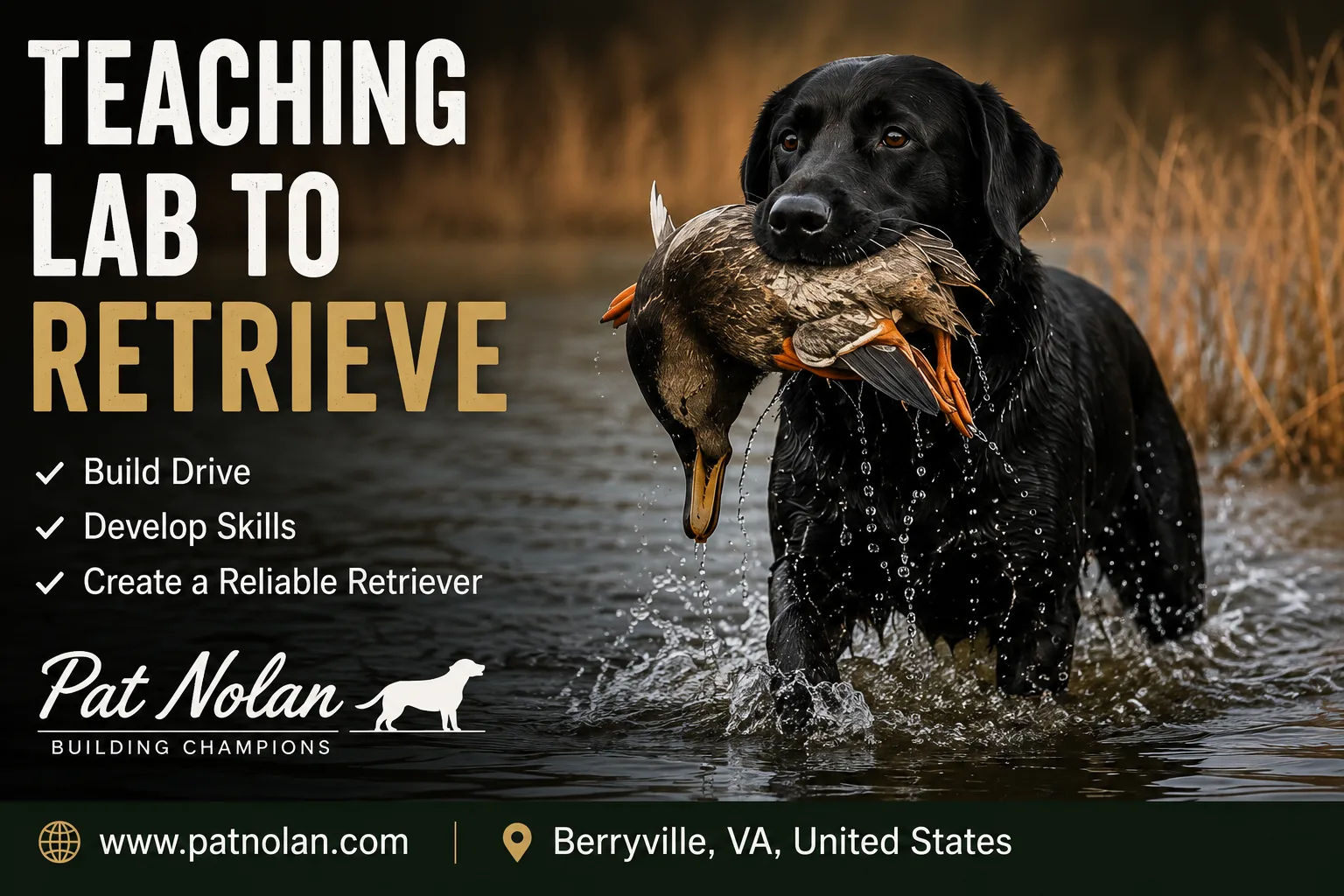
Labrador Retrievers are widely recognized for their retrieving instincts and willingness to work. However, natural ability is only the beginning. Consistent training helps turn those instincts into useful skills.
When learning how to train a puppy Labrador Retriever, owners should focus first on socialization, obedience, confidence, and appropriate retrieving games. Introducing a puppy to different safe environments can help it become comfortable with new sights, sounds, and surfaces.
As the dog grows, training can gradually become more challenging. Retrieving drills, whistle commands, directional work, and field exposure can be introduced when the dog is ready. Building these skills step by step can create a stronger foundation for future hunting work.
Developing a Golden Retriever for the Field
Golden Retrievers can also make capable hunting companions. Their intelligence and retrieving instincts can be developed through structured Golden Retriever hunting training.
Field training may include marking, retrieving, steadiness, obedience, and learning to respond to the handler despite distractions. Rather than rushing through these exercises, handlers should allow the dog to master one skill before introducing another.
Some owners explore e-collar training for Golden Retrievers as their dogs progress. When an e-collar is used, it should be introduced thoughtfully and as part of a broader training system. The dog should already understand the relevant commands, and the equipment should support communication rather than replace proper training.
For owners unfamiliar with this approach, working with an experienced trainer can help ensure the training remains clear, controlled, and appropriate for the individual dog.
Introducing a Dog to Bird Work
Bird dog training requires patience because the dog must learn to work around birds while remaining responsive to its handler. If you are researching how to train a bird dog, begin with obedience and reliable recall before moving into more specialized exercises.
As training progresses, a dog may learn to search for birds, respond to direction, remain steady when appropriate, and retrieve. Exposure to birds and field environments should be controlled and introduced gradually.
The training approach should also reflect the dog's breed, age, temperament, and intended role. There is no single program that works identically for every dog.
Finding the Right Training Support
Many owners eventually search for bird dog training near me when they want professional guidance. A knowledgeable trainer can evaluate a dog's current abilities and help create a practical training plan.
For dog owners in Berryville, VA, professional instruction can be particularly useful when transitioning from household obedience to more specialized retriever or hunting skills. Guidance can also help owners understand how to continue training between professional sessions.
Building a Partnership Through Training
The best results come from consistency rather than shortcuts. A dog that understands what is expected, receives clear communication, and gets regular opportunities to practice is more likely to develop confidence and reliability.
Pat Nolan provides resources and expertise for owners interested in hunting dog and retriever training. Whether you are starting with a Labrador puppy, developing a Golden Retriever for hunting, or working with a bird dog, a structured approach can help you and your dog progress together.
For more information and training resources, visit PatNolan.com.
Ultimately, successful hunting dog training is about creating a partnership. With patience, consistency, and the right guidance, a young dog can develop into a confident companion that is ready to work alongside its handler in the field.