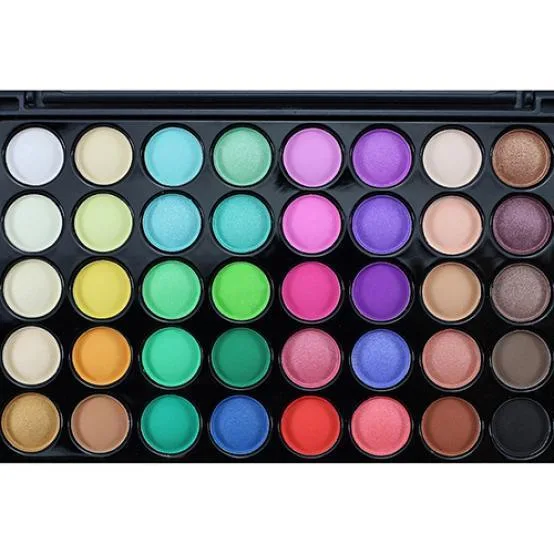
The eyeshadow market report drivers reflect a combination of changing beauty preferences, product innovation, social media influence, expanding cosmetic access, and growing consumer interest in personalized makeup. Eyeshadow has evolved from a traditional color cosmetic into a versatile beauty product available in numerous textures, finishes, shades, and formats. As consumers increasingly experiment with their appearance, manufacturers and beauty brands are responding with products designed for convenience, creativity, performance, and individual expression.
This evolving environment is creating several important forces that influence product demand and shape the direction of the eyeshadow industry.
Growing Interest in Makeup and Personal Expression
One of the strongest drivers of the eyeshadow market is the growing role of makeup as a form of personal expression. Consumers are increasingly using color cosmetics to create distinctive looks for everyday activities, professional settings, social occasions, and celebrations.
Eyeshadow is particularly suited to experimentation because it allows users to change their appearance without making permanent alterations. Neutral palettes can support subtle daily looks, while bright shades, metallic finishes, and glitter-based products can be used for more expressive styles.
The growing acceptance of creative makeup across different age groups is also broadening the potential consumer base. This shift encourages brands to introduce diverse collections rather than relying exclusively on traditional shades.
Social Media and Beauty Content Creation
Social media continues to influence how consumers discover, evaluate, and purchase beauty products. Makeup tutorials, short-form videos, product demonstrations, and creator-led beauty content can introduce consumers to new eyeshadow techniques and trends within a short period.
Content creators frequently demonstrate complete eye looks using specific palettes, finishes, or application methods. This visual format makes eyeshadow particularly compatible with digital platforms because the transformation can be immediately demonstrated.
Beauty trends can also move rapidly through online communities. A particular color combination, shimmer effect, or application technique can generate interest among consumers looking for similar products. Brands are therefore paying greater attention to digital engagement when developing and promoting eyeshadow collections.
Expansion of Product Formats and Textures
Product innovation is another major factor supporting the eyeshadow market. Traditional powder formulas now compete with liquid, cream, stick, baked, loose-pigment, and hybrid formats.
Different formulations address different consumer requirements. Powder eyeshadows remain popular because they are available in extensive shade ranges and can be blended easily. Cream and liquid products appeal to consumers seeking quick application, intense pigmentation, or long-lasting finishes.
Stick-format eyeshadows are also positioned around convenience. Their compact design can simplify application and make them suitable for consumers who want portable makeup products.
This expanding product variety enables companies to target specific usage occasions and preferences, helping maintain consumer interest in the category.
Demand for Long-Lasting and High-Performance Cosmetics
Consumers increasingly expect makeup to perform reliably throughout the day. Eyeshadow products are therefore being developed with characteristics such as improved pigmentation, blendability, crease resistance, transfer resistance, and extended wear.
Performance has become especially important as consumers use makeup for longer periods and across different environments. A product that maintains its appearance without frequent touch-ups can offer greater convenience.
The focus on performance also encourages manufacturers to improve formulations. Advances in cosmetic ingredients and manufacturing processes can help brands create products that combine visual impact with application comfort.
Increasing Demand for Diverse Shade Collections
Shade diversity has become an important market driver as beauty consumers seek products that complement a broad range of skin tones and personal styles.
Brands are expanding palettes beyond conventional browns and neutral colors by introducing warm tones, cool shades, jewel colors, pastels, metallics, and vivid pigments. Some collections are designed around specific undertones, while others provide combinations that allow consumers to create multiple looks from one palette.
This broader approach can attract consumers who previously found limited options within conventional eyeshadow collections. It also allows established brands and emerging companies to differentiate their offerings through distinctive color stories.
Premiumization and Interest in Quality
Another factor supporting the category is consumer interest in premium beauty products. Some buyers are willing to spend more on products that provide better pigmentation, sophisticated packaging, innovative textures, longer wear, or distinctive color combinations.
Premium eyeshadow palettes can also function as collectible beauty products. Limited-edition launches, seasonal collections, collaborations, and visually distinctive packaging can increase product appeal beyond basic functionality.
At the same time, mass-market brands continue to compete through affordable palettes and individual shades. This creates opportunities across multiple price segments rather than concentrating demand within one consumer group.
Growth of E-Commerce and Digital Beauty Retail
The expansion of online shopping has made eyeshadow products more accessible to consumers in different locations. Digital retail platforms allow buyers to compare shades, textures, prices, reviews, and product specifications before making purchasing decisions.
Virtual product demonstrations and detailed product imagery can also help reduce some of the uncertainty associated with purchasing color cosmetics online.
For brands, e-commerce provides an opportunity to reach specialized consumer groups without depending entirely on physical retail networks. Smaller companies can use digital channels to introduce niche color collections and build direct relationships with customers.
Clean Beauty and Ingredient Awareness
Consumer attention toward cosmetic ingredients is also influencing product development. Some shoppers increasingly examine formulation characteristics and seek products that align with their personal preferences regarding ingredients, sustainability, and ethical production.
This trend is encouraging brands to communicate more clearly about formulations, sourcing, packaging, and manufacturing practices. Companies responding to these expectations may develop eyeshadows positioned around particular ingredient philosophies or environmentally conscious packaging choices.
Although consumer preferences vary significantly, ingredient awareness is becoming an important consideration in product positioning.
Competitive Innovation as a Market Accelerator
Competition among beauty companies encourages frequent product launches and improvements. Brands compete through pigmentation, shade selection, formulation technology, packaging, pricing, collaborations, and marketing campaigns.
This competitive environment can shorten product development cycles and encourage companies to respond quickly to emerging consumer preferences. New entrants can also challenge established brands by targeting specific communities or offering highly specialized products.
As a result, innovation remains an important accelerator for the eyeshadow category.
Outlook for Eyeshadow Market Drivers
The eyeshadow market report drivers demonstrate that category growth is influenced by more than cosmetic usage alone. Consumer creativity, social media exposure, product innovation, shade diversity, performance expectations, e-commerce accessibility, premium beauty demand, and ingredient awareness are collectively shaping the market.
Going forward, companies that understand changing consumer behavior and translate those preferences into practical, distinctive products can create new opportunities within the category. The continued evolution of makeup culture is likely to keep eyeshadow positioned as an adaptable and innovation-driven segment of the wider beauty industry.