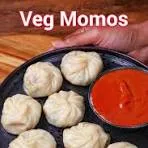
Momos have become one of the most popular street foods in India, attracting food lovers with their soft texture, delicious fillings, and flavourful sauces. Whether you enjoy a quick evening snack or want something special to share with friends, momos offer a satisfying combination of taste and convenience. These dumplings are available in several varieties, including steamed, fried, pan-fried, and tandoori styles. Vegetable-filled options are especially popular among people who enjoy fresh ingredients and vegetarian food. From busy street corners to modern cafés, this delicious snack has earned a special place in Indian food culture. In this blog, we will explore its history, popular varieties, ingredients, preparation methods, and tips for enjoying a tasty plate.
What Are Momos?
Momos are dumplings prepared using a thin dough covering filled with vegetables and seasonings. They are shaped by folding the dough around the filling and then cooked using different methods.
Traditionally associated with Himalayan regions and Tibetan food culture, these dumplings have become widely enjoyed across India. They are commonly sold at street food stalls, restaurants, shopping areas, and cafés.
One of their biggest attractions is their versatility. The filling can include cabbage, carrots, onions, mushrooms, and other ingredients. Herbs and spices add flavour, while dipping sauces provide an extra layer of taste.
The cooking method also changes the final result. Steamed versions are soft and tender, while fried varieties have a crispy exterior. This range of options makes the dish suitable for people with different food preferences.
The History and Origin of Momos
The history of these dumplings is connected with Himalayan communities and traditional Tibetan cuisine. Over time, they became popular in neighbouring regions, including Nepal and parts of India.
Cultural exchange and migration helped introduce the dish to new communities. As people travelled, they carried their food traditions with them, allowing recipes to develop and adapt to local tastes.
In India, these dumplings gained popularity in places such as Darjeeling, Delhi, and other cities influenced by Himalayan food traditions. Street vendors helped make them accessible to students, office workers, and families.
As their popularity increased, restaurants introduced creative variations with different fillings, sauces, and cooking styles.
Today, this snack is an important part of India's street food scene. It combines traditional influences with modern flavours, making it popular among both younger and older generations.
Popular Types of Momos
One of the reasons people enjoy this dish is the wide variety available. Different cooking techniques create different textures and flavours.
1. Steamed Vegetable Momos
Steamed dumplings are among the most popular varieties. They are cooked using steam, which keeps the outer covering soft.
The filling usually contains cabbage, carrots, onions, spring onions, ginger, and selected seasonings.
This preparation is a good choice for people who prefer a simple snack without deep-frying. It is generally served hot with spicy tomato or chilli chutney.
2. Fried Momos
Fried dumplings are ideal for people who enjoy a crunchy texture. They are cooked in hot oil until the outer covering becomes golden and crisp.
The crispy exterior contrasts with the soft filling inside, creating a satisfying combination.
However, deep-fried options generally contain more fat than steamed alternatives, so portion size is worth considering.
3. Pan-Fried Momos
Pan-fried dumplings offer a combination of soft and crispy textures. Their bottoms are lightly fried until golden, while the remaining covering stays relatively tender.
This cooking method creates a crunchy base without requiring the entire dumpling to be deep-fried.
They are often served with garlic sauce, tomato chutney, or another preferred dip.
4. Tandoori Momos
Tandoori dumplings are coated with a seasoned mixture before being cooked at high heat.
The cooking process develops a smoky flavour and a slightly charred exterior. They are often served with onions, herbs, and a tangy sauce.
This modern variation has become popular at cafés and street food outlets that specialise in creative snacks.
5. Kurkure Momos
Kurkure dumplings are known for their crunchy outer coating. They are commonly prepared using a seasoned coating before frying.
Their crisp texture and bold flavour make them attractive to people who enjoy crunchy street food.
Because these are usually deep-fried, they are best enjoyed in moderation.
6. Chilli Momos
Chilli dumplings combine cooked dumplings with a spicy sauce, garlic, vegetables, and seasonings.
The result is a flavourful dish with a stronger taste than plain steamed versions.
The amount of chilli can be adjusted to suit different preferences, making this preparation suitable for people who enjoy spicy food.
Ingredients Used in Vegetable Momos
Preparing vegetable dumplings at home does not require complicated ingredients. Most items are available at local grocery stores.
The basic ingredients include:
- All-purpose flour for the dough.
- Finely chopped cabbage for texture.
- Grated carrots for colour and sweetness.
- Chopped onions or spring onions for flavour.
- Ginger and garlic for aroma.
- Salt and black pepper for seasoning.
- Water to prepare the dough.
- A small amount of oil, if required.
Additional ingredients, such as mushrooms, capsicum, coriander, and other vegetables, can be included according to personal taste.
Fresh vegetables should be chopped into small pieces so the filling is evenly distributed. Avoid adding too much moisture, as a watery filling can make the wrappers difficult to seal.
For a different texture, whole-wheat flour can be used instead of some or all of the refined flour. The result may be less soft, but it offers another option for home cooking.
How to Make Vegetable Momos at Home
Making these dumplings at home can be an enjoyable cooking activity. With a little practice, you can prepare a fresh batch for your family.
Step 1: Prepare the Dough
Add flour and a little salt to a mixing bowl. Gradually pour in water while kneading until a smooth, firm dough forms.
Cover it with a clean cloth and let it rest for around 20 minutes.
Step 2: Make the Vegetable Filling
Finely chop cabbage, carrots, onions, and spring onions.
Add ginger, garlic, salt, and black pepper. Mix the ingredients thoroughly.
You can lightly cook the vegetables if you prefer a softer filling. Allow them to cool before assembling the dumplings.
Step 3: Shape the Wrappers
Divide the dough into small portions. Roll each portion into a thin circle using a rolling pin.
Keep the centre slightly thicker than the edges so the wrapper can hold the filling without tearing.
Step 4: Fill and Fold
Place a small amount of vegetable mixture in the centre of each wrapper.
Fold the edges carefully and press them together to seal the filling inside. You can make pleats or create a simple half-moon shape.
Ensure the edges are properly sealed before cooking.
Step 5: Steam Until Cooked
Lightly grease a steaming tray and arrange the prepared dumplings with enough space between them.
Place the tray over boiling water and steam until the covering is cooked and the filling is thoroughly heated.
Cooking time depends on the size and thickness of the dumplings. Check that they are properly cooked before serving.
Step 6: Serve Fresh
Transfer the hot dumplings to a plate and serve them with homemade tomato and chilli chutney.
Freshly prepared dumplings generally have the best texture and flavour.
Why Chutney Makes a Difference
A flavourful dipping sauce can make a simple snack much more enjoyable.
Red chilli chutney is one of the most common accompaniments. It is often made with tomatoes, red chillies, garlic, and salt.
The ingredients are cooked or blended together to create a thick sauce. The quantity of chilli can be adjusted according to personal preference.
People who prefer mild flavours can choose tomato sauce or a simple garlic dip.
Some restaurants also serve creamy or mayonnaise-based sauces. These add richness but may increase the overall calorie content.
When preparing a dip at home, use fresh ingredients and clean utensils. Store any leftover sauce safely instead of leaving it uncovered for long periods.
Are Momos Healthy?
The nutritional value of this snack depends on the ingredients, cooking method, serving size, and accompanying sauces.
Steamed vegetable dumplings can be a reasonable snack option because they do not require deep-frying. Their vegetable filling may provide fibre and other nutrients, depending on the ingredients used.
However, the outer covering is often made with refined flour, which contributes carbohydrates. The nutritional value also depends on the proportion of vegetables and dough.
Fried varieties generally contain more fat than steamed versions. Rich dips can add extra calories, salt, and sugar.
You can make more balanced choices by following these tips:
- Choose steamed preparations more often.
- Include a variety of vegetables in the filling.
- Use oil in moderate amounts.
- Enjoy dipping sauces in reasonable portions.
- Pay attention to serving sizes.
- Include a variety of foods in your overall diet.
No single food provides every nutrient the body needs. Enjoying this dish as part of a balanced diet is a practical way to include it in your eating routine.
Tips for Choosing Good Street Food
Street food is enjoyable, but cleanliness and proper preparation are important when buying food outside.
Before choosing a vendor, look at the condition of the cooking and serving area.
Check Cleanliness
Choose stalls that maintain clean preparation surfaces and use clean utensils.
Food should be protected from dust, insects, and other sources of contamination.
Prefer Freshly Cooked Food
Choose food that is cooked thoroughly and served hot. Avoid items that have been left uncovered for extended periods.
Check that the filling is properly cooked before eating.
Observe Food Handling
Clean utensils, proper handwashing, and careful food handling are important signs of good hygiene.
Avoid vendors whose equipment or preparation areas appear visibly dirty.
Pay Attention to Sauces
Dipping sauces should also be stored and handled hygienically.
These precautions cannot guarantee complete safety, but they can help reduce avoidable food-related risks.
Momos as a Business Opportunity
The popularity of this snack has created opportunities for small food businesses.
A street food stall, takeaway counter, or café can offer several varieties to attract different customers.
Before starting a business, research the local market, customer preferences, competition, and operating costs.
Select a Suitable Location
Areas near colleges, offices, shopping streets, and busy residential neighbourhoods may offer opportunities, depending on local demand.
Consider rent, customer traffic, permissions, and operating expenses before selecting a location.
Create an Attractive Menu
A simple menu could include steamed vegetable dumplings, pan-fried varieties, and different dipping sauces.
Starting with a manageable selection can make it easier to maintain consistent quality.
Maintain Food Quality
Fresh ingredients, clean preparation, consistent taste, and friendly service help build customer trust.
Customers are more likely to return when the food remains reliable.
Promote Your Business Online
Social media can help businesses share menu updates, photographs, offers, and customer feedback.
A clear online business profile with accurate contact information makes it easier for customers to find the outlet.
Plan Your Expenses
Calculate the costs of ingredients, packaging, rent, electricity, equipment, and labour before setting prices.
Careful planning and attention to food safety are essential for building a sustainable food business.
Why Homemade Momos Are Worth Trying
Preparing dumplings at home gives you greater control over ingredients and seasoning.
You can choose your favourite vegetables, reduce the amount of salt, and adjust the spice level according to your preferences.
It is also an opportunity to experiment with different combinations. Cabbage and carrots create a familiar filling, while mushrooms and spring onions provide a different flavour.
Families can make cooking more enjoyable by sharing the preparation work. One person can prepare the filling while another rolls the dough and shapes the dumplings.
The folds may not look perfect at first, but practice makes the process easier.
Home cooking also helps you prepare the amount you need and reduce unnecessary food waste.
The Future of This Popular Street Food
Food preferences continue to evolve, and traditional dishes often change as they reach new audiences.
Restaurants are experimenting with different fillings, cooking styles, sauces, and presentation methods.
Some focus on traditional flavours, while others introduce modern combinations to attract customers looking for something different.
Vegetarian options remain important for people who prefer plant-based fillings. Home cooks and restaurants can also experiment with different vegetables, whole-wheat wrappers, and seasoning combinations.
Online food delivery has made restaurant versions more accessible to people who cannot easily visit popular food markets.
At the same time, affordability, hygiene, taste, and consistent preparation remain important.
The continuing popularity of this snack demonstrates how a simple dish can become part of a much larger food culture.
Conclusion
Momos have earned a special place in India's street food culture because of their delicious flavours, convenient serving sizes, and wide range of varieties.
From soft steamed dumplings to crispy fried preparations, there are options for different tastes and preferences. Their connection with Himalayan food traditions also gives them an interesting culinary history.
Whether you enjoy them at a street stall, order them from a restaurant, or prepare them at home, fresh ingredients and proper cooking can make the experience more enjoyable.
For a balanced approach, choose steamed vegetable varieties more often, pay attention to portion sizes, and purchase food from hygienic places.
With so many ways to prepare and serve them, these dumplings continue to bring flavour and variety to everyday snacking.