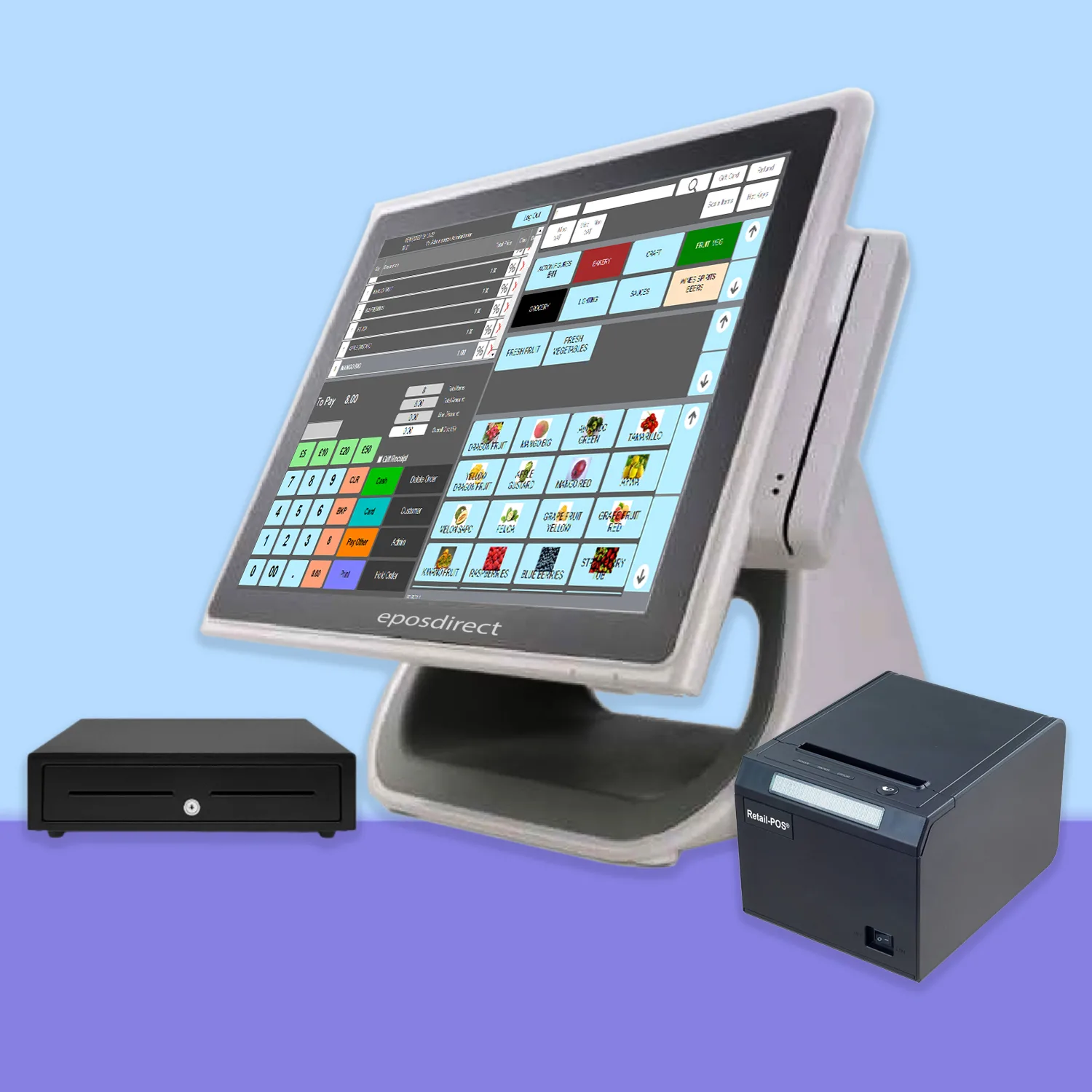
An EPOS system for restaurant businesses is an essential technology that helps manage daily operations, process customer payments, track orders, and improve service efficiency. EPOS stands for Electronic Point of Sale, a digital system that combines payment processing with sales management and other useful restaurant functions. Whether you operate a small café, a takeaway shop, a family restaurant, or a large dining establishment, an effective EPOS solution can make everyday tasks easier and more organised.
Modern restaurants need reliable tools to manage customer orders, kitchen communication, inventory, staff activities, and financial records. Managing these tasks manually can take considerable time and increase the possibility of mistakes, particularly during busy service hours. A restaurant EPOS system brings important functions together in one place, allowing restaurant owners and employees to work more efficiently.
With the right technology, restaurant managers can monitor sales, understand customer preferences, improve order accuracy, and make informed business decisions. Choosing a suitable EPOS system can therefore contribute to smoother operations, better customer experiences, and long-term business growth.
What Is an EPOS System for Restaurant Businesses?
An EPOS system is a combination of software and hardware designed to manage sales transactions and support business operations. In a restaurant environment, it allows staff to enter orders, calculate bills, accept payments, and send order details to the kitchen. Depending on the system, it may also include table management, inventory monitoring, employee management, and customer loyalty features.
The hardware may include a touchscreen till, receipt printer, cash drawer, card payment terminal, barcode scanner for packaged products, and kitchen display screen. The software connects these components and stores relevant transaction information, helping staff manage customer orders from the moment they are placed until payment is completed.
Some systems operate on local networks, while others use cloud-based technology to provide access to information through supported internet-connected devices. Cloud-based solutions can allow authorised managers to review sales reports remotely, although the available features depend on the provider and subscription plan.
A restaurant can select an EPOS system according to its size, menu, service style, budget, and operational requirements. This flexibility makes the technology useful for businesses with different levels of complexity.
How an EPOS System Improves Restaurant Operations
Restaurant operations involve several connected activities, from taking orders to preparing meals and collecting payments. An EPOS system helps coordinate these activities by keeping information organised and accessible to the appropriate staff members.
When a customer places an order, the server can enter the selected dishes into the system. The order can then be sent directly to the relevant kitchen printer or display screen. Kitchen staff can view the requested items and begin preparation without relying entirely on handwritten notes or verbal instructions.
Once the meal is ready, staff can serve the customer and generate the bill through the same system. Payments can be recorded against the transaction, creating a more consistent record of sales.
This integrated process can reduce communication problems, improve order accuracy, and help staff respond more effectively during busy periods. Restaurant managers can also review transaction records to identify recurring operational issues and make appropriate improvements.
Faster and More Accurate Order Management
Order management is one of the most important features of an EPOS system for restaurant businesses. During busy lunch and dinner periods, employees may need to handle several tables, takeaway orders, and customer requests simultaneously. A well-designed system helps simplify this process.
Staff can select menu items directly from the touchscreen interface, specify quantities, and add notes about customer preferences. For example, they may record a request for a sauce on the side or a particular ingredient to be excluded, where the restaurant can accommodate it.
The system can send the order details to the kitchen immediately, helping chefs receive clear information about what needs to be prepared. This reduces dependence on handwritten tickets and makes it easier to communicate modifications.
Many EPOS systems also support order adjustments, cancellations, and additional items. Staff can update an order before payment is completed, subject to the system's permissions and restaurant procedures.
By improving the flow of information between front-of-house and kitchen teams, an EPOS solution can help create a more organised dining experience.
Efficient Table Management for Dine-In Restaurants
Table management is particularly valuable for restaurants that serve customers on the premises. During peak hours, staff need to know which tables are occupied, which are available, and which customers are waiting to order or pay.
An EPOS system with table management features can display a visual layout of the restaurant. Employees can select a table, enter customer orders, and add further items to the existing bill as required.
This approach helps staff keep track of orders associated with individual tables and reduces confusion when several groups are dining simultaneously. Depending on the system, managers may also be able to transfer orders between tables, split bills, or combine transactions.
Better table visibility can help restaurant teams coordinate service and make more effective use of available seating. However, the benefits depend on staff training, accurate updates, and the way the restaurant organises its service process.
Simplified Payment Processing
A reliable payment process is essential for customer satisfaction. An EPOS system can connect sales transactions with supported payment terminals, helping staff calculate bills and record completed payments accurately.
Customers may be able to pay using cash, debit cards, credit cards, or supported contactless payment methods. Some systems also support digital wallets and other payment options through compatible providers.
The system calculates the total amount based on the items ordered, applicable taxes, discounts, and service charges configured by the restaurant. This reduces the need for manual calculations and helps staff produce consistent bills.
Many restaurant EPOS solutions also support split payments, allowing customers to divide a bill between different people or payment methods. This feature can be particularly useful for group dining.
Restaurant owners should compare transaction charges, settlement times, terminal compatibility, and payment security requirements before selecting a provider. Payment functionality and fees vary between suppliers, so understanding the terms in advance is important.
Kitchen Display System Integration
A kitchen display system can work alongside an EPOS system to improve communication between service staff and kitchen employees. Instead of relying exclusively on printed tickets, the kitchen can receive orders on a digital screen.
Orders may be organised according to preparation status, order time, or designated kitchen station. For example, separate teams may handle starters, main courses, desserts, and drinks. An integrated system can route orders to the appropriate station when this functionality is supported.
Kitchen staff can update an order's progress as preparation continues. Front-of-house employees may then have better visibility of which orders are being prepared and which are ready to serve.
This technology can help reduce misplaced tickets and improve coordination during high-volume service periods. It can also provide information that managers can use to review preparation times and identify delays.
Restaurants should ensure that the kitchen display is easy to read, suitable for the working environment, and supported by reliable equipment. A practical setup should make communication simpler rather than introduce unnecessary complexity.
Inventory Management and Stock Control
Managing food and beverage inventory is a major responsibility for restaurant owners. Overstocking can increase waste, while insufficient stock can lead to unavailable menu items and disappointed customers.
An EPOS system with inventory management features can help track product sales and update stock records when transactions occur. Some advanced solutions support ingredient-level tracking through recipes and stock configurations, although this capability may require additional software or setup.
Sales information can help managers identify popular dishes, estimate future purchasing requirements, and recognise products that sell slowly. When integrated with purchasing tools, the system may also support supplier records and stock replenishment processes.
Accurate inventory management can contribute to better cost control and more informed purchasing decisions. Nevertheless, the quality of the information depends on correct product setup, regular stock counts, and the recording of wastage, spoilage, and other adjustments.
Restaurant owners should assess whether their chosen EPOS system supports the level of stock control they need rather than assuming every package includes advanced inventory functions.
Sales Reporting and Business Insights
Understanding sales performance is essential for running a successful restaurant. An EPOS system records transaction information that can be used to produce reports about revenue, popular dishes, payment methods, discounts, and sales patterns.
Managers can review daily or weekly performance to understand when demand is highest. For example, reports may reveal that certain meals sell particularly well during lunchtime or that particular days consistently attract more customers.
Menu performance reports can also help owners evaluate which dishes contribute most to sales. When combined with reliable ingredient and cost information, these insights can support decisions about menu pricing, portion sizes, and purchasing.
Some systems offer employee-level reports, refund tracking, and comparisons between different trading periods. Access to these features depends on the software package and user permissions.
Rather than relying only on intuition, restaurant managers can use accurate reports to identify trends and test improvements. Regularly reviewing the information can help businesses respond to changing customer preferences and operating costs.
Staff Management and User Permissions
Restaurant employees perform different tasks, so an EPOS system should provide appropriate access for different roles. Servers may need to enter orders, cashiers may process payments, and managers may approve refunds or review financial reports.
Role-based permissions can help control which activities each employee is allowed to perform. This may improve accountability and reduce the risk of unauthorised changes to transactions or settings.
Some EPOS solutions also provide staff clock-in and clock-out features, shift records, and performance reports. These functions can help managers coordinate schedules and understand staffing requirements.
For example, sales information may show that a restaurant regularly experiences a rush during a particular evening period. Management can use this information alongside staff availability and labour costs to plan suitable coverage.
An EPOS system should support established workplace procedures, with employees receiving appropriate training before using advanced functions. Clear permissions and consistent processes can make daily management more straightforward.
EPOS System for Takeaway and Delivery Orders
Takeaway and delivery services are important revenue channels for many restaurants. Managing these orders alongside dine-in service can become difficult when information arrives through several different channels.
Some EPOS systems support takeaway ordering, collection time management, delivery records, and integration with online ordering platforms. Depending on the provider, compatible integrations may bring orders into a central interface, reducing the need to re-enter the same information manually.
A restaurant can use these functions to organise collection orders, communicate preparation requirements, and track transactions. Customer details can also be handled through supported systems in accordance with applicable privacy requirements.
Before selecting a solution, restaurant owners should check whether their preferred delivery services are supported, whether integrations involve additional charges, and how order updates are synchronised.
A well-integrated system can help staff manage different order channels more consistently while maintaining visibility over sales and kitchen workload.
Choosing the Right EPOS System for Your Restaurant
Selecting the right EPOS system requires an understanding of the restaurant's daily activities and future plans. A small café may need straightforward order entry and payment processing, while a larger restaurant may require table management, kitchen displays, detailed reporting, and inventory controls.
Ease of use should be a priority. Employees need an interface that allows them to enter orders quickly without navigating unnecessarily complicated menus. A clear touchscreen layout can make training easier and reduce mistakes during busy shifts.
Restaurant owners should also consider hardware reliability, payment compatibility, software updates, technical support, and backup arrangements. If the system relies on an internet connection, it is worth checking whether essential functions can continue during an outage.
Pricing should be evaluated carefully. The total cost may include hardware, software subscriptions, payment processing, installation, training, maintenance, and optional integrations. A low initial price does not necessarily mean the system will be the most economical over time.
It is also sensible to ask for a demonstration and test common tasks, such as placing an order, changing a dish, splitting a bill, issuing a refund, and producing a sales report. These practical checks can help establish whether the system suits the restaurant's actual workflow.
Understanding the Cost of a Restaurant EPOS System
The cost of a restaurant EPOS system varies according to its features, equipment, payment arrangements, and service provider. Some businesses begin with a basic till and payment terminal, while others invest in multiple terminals, kitchen displays, handheld ordering devices, and integrated management software.
Hardware expenses may include touchscreen terminals, printers, cash drawers, and networking equipment. Software charges may be billed monthly or annually, and certain advanced features may require higher subscription tiers.
Payment processing can introduce additional costs through transaction fees or service agreements. Restaurants should also check for installation charges, replacement equipment costs, contract conditions, and fees for technical support.
The best approach is to compare the total expected cost with the practical benefits the system provides. Faster service, fewer order errors, better stock visibility, and more useful reporting may offer value when the solution is properly implemented.
Restaurant owners should request a complete breakdown of charges before making a decision and confirm which features are included in the quoted package.
Security, Reliability, and Data Protection
Restaurant EPOS systems handle important business information, including transaction records, sales figures, and sometimes customer details. Security should therefore be a central consideration when comparing providers.
Businesses should select systems that support appropriate user permissions, secure payment processing, software updates, and reliable data backup arrangements. Strong passwords and individual staff accounts can help limit unauthorised access.
Payment information should be handled through suitable payment solutions that follow applicable security requirements. Restaurants should avoid storing sensitive payment details unnecessarily and should understand how their provider manages data.
Reliability is equally important. A system failure during a busy service period can disrupt order entry and payments. Restaurant owners should understand the provider's support arrangements and establish a practical backup process for temporary outages.
Staff training also plays a significant role in protecting business information. Employees should understand how to use the system responsibly, recognise suspicious activity, and follow procedures for refunds, voids, and account access.
Benefits of Investing in a Modern EPOS Solution
A modern EPOS system can support restaurant growth by connecting essential operational functions in one organised platform. Faster order processing can improve service flow, while integrated kitchen communication can help reduce misunderstandings.
Sales reporting provides greater visibility into business performance, and inventory tools can support more accurate purchasing decisions. Payment integration can simplify transactions, while table management can help staff coordinate dine-in service.
These benefits are most valuable when the technology matches the restaurant's needs. A system with numerous advanced features may not be necessary for a small operation, whereas a busy restaurant may benefit from more comprehensive tools.
Successful implementation also requires clear procedures, reliable equipment, and staff training. Technology alone cannot guarantee profitability or excellent service, but it can give restaurant owners better tools for managing their operations.
Conclusion
An EPOS system for restaurant businesses is a valuable solution for improving order management, payment processing, kitchen communication, inventory control, and sales reporting. By bringing these functions together, it can help restaurant teams work more efficiently and provide customers with a smoother dining experience.
Choosing the right system involves comparing features, costs, usability, security, hardware, and technical support. Restaurant owners should focus on solutions that address their current challenges while offering enough flexibility to support future growth.
With careful selection and proper implementation, a restaurant EPOS system can simplify everyday responsibilities, improve business visibility, and support more informed decisions. Whether managing a café, takeaway, or full-service restaurant, investing in suitable point-of-sale technology can be an important step towards creating a more organised and efficient business.