The Dawn of a New Transportation Era
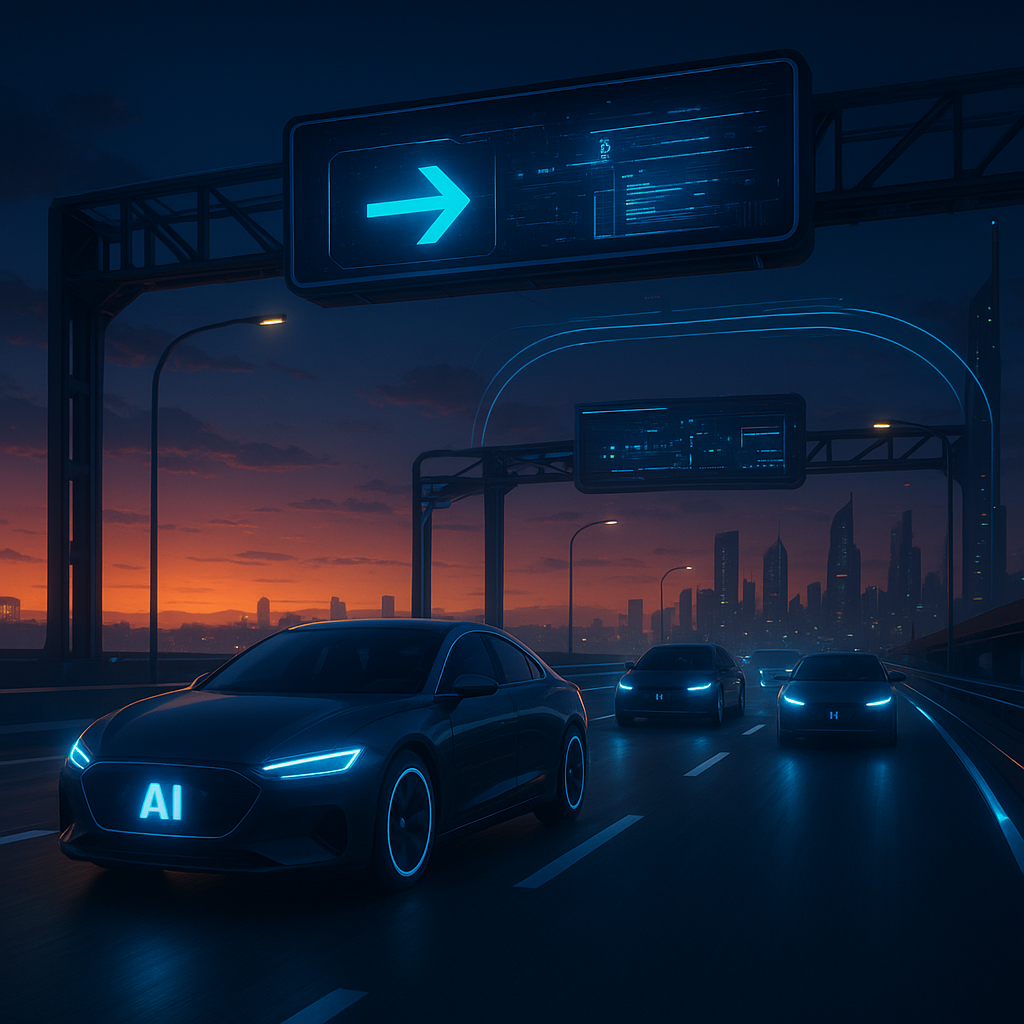
Imagine a morning commute where the car you drive requires no human intervention, charges itself while cruising on a highway that powers it wirelessly, and coordinates seamlessly with other vehicles to avoid traffic snarls. This is not science fiction but the emerging reality of transportation in 2026. The automotive sector has undergone profound changes, driven by breakthroughs in electric vehicle (EV) technology, artificial intelligence (AI), and infrastructure innovation. According to industry estimates, global EV sales exceeded 25 million units in 2025, marking a 40% increase from the previous year, while major highways in countries like Germany, South Korea, and the United States now feature electric road systems (ERS) that enable dynamic charging on the go.
This transformation is reshaping how people and goods move, impacting urban planning, environmental policies, and economic models. The convergence of automotive electrification and intelligent transport systems is creating a transportation ecosystem that is cleaner, smarter, and more efficient. Yet, this transition also presents challenges, from grid capacity concerns to regulatory frameworks and consumer acceptance hurdles.
“The integration of electric highways and AI-driven vehicles is no longer a futuristic vision but a strategic imperative for sustainable mobility,” says Dr. Helena Forsberg, a leading transportation analyst at the International Energy Agency.
Exploring this dynamic landscape reveals how decades of technological evolution and policy shifts have culminated in the current momentum, what 2026 has brought to the table, and what the road ahead looks like.
Tracing the Path: From Combustion Engines to Connected Electrification
The journey to today’s transportation revolution began over a century ago with the advent of gasoline-powered cars, which dominated global mobility for more than 100 years. The environmental toll of fossil fuels, however, became unmistakable by the late 20th century, prompting governments and automakers to pursue cleaner alternatives. Hybrid vehicles gained traction in the early 2000s, but the real turning point came with advances in lithium-ion battery technology and renewable energy integration.
By 2010, pioneers like Tesla, Nissan, and BYD started scaling electric vehicle production, supported by growing consumer demand and subsidies. The real acceleration occurred after 2020, as battery energy densities improved dramatically, charging times shrank, and costs dropped below $75 per kWh, according to BloombergNEF data. This economic feasibility triggered mass adoption across Europe, China, and North America.
Simultaneously, AI and connectivity technology evolved, enabling semi-autonomous driving capabilities that matured into fully autonomous vehicles by the mid-2020s. Governments established regulatory sandboxes to test self-driving cars, while telecommunication advancements like 5G and emerging 6G networks facilitated vehicle-to-everything (V2X) communication.
Infrastructure also caught up. Governments and private investors poured billions into charging networks, smart traffic management, and innovative concepts such as electric road systems, which use embedded coils or overhead lines to charge vehicles dynamically. These layered developments set the stage for a comprehensive transformation of transportation.
Analyzing the Impact: Data-Driven Insights on 2026's Transportation Landscape
In 2026, the transportation sector is dominated by several measurable trends that underscore the scale and direction of change. EVs now represent nearly 50% of new car sales globally, with certain markets like Norway and the Netherlands exceeding 80%. The International Energy Agency reports that the total global electric vehicle fleet has surpassed 200 million units, a tenfold increase since 2020.
Electric road systems, once experimental, have expanded rapidly. South Korea’s ERS covers over 1,200 kilometers, enabling heavy-duty trucks to reduce their battery size by up to 40%, enhancing freight efficiency. Germany’s autobahns feature wireless charging lanes integrated with smart sensors that communicate with autonomous cars to optimize energy use and traffic flow.
Artificial intelligence powers not only autonomous vehicles but also predictive maintenance, route optimization, and personalized in-car experiences. According to McKinsey research, AI-driven logistics has cut delivery times by 25% and reduced fuel consumption in commercial fleets by 15%.
“The combination of electric highways and AI is unlocking unprecedented operational efficiencies and sustainability gains,” notes automotive consultant Rajiv Menon.
Key statistics illustrating 2026’s transportation advances include:
- 40% reduction in urban traffic congestion in cities deploying AI traffic management.
- 60% increase in commercial EV adoption due to total cost of ownership parity with diesel trucks.
- 30% growth in vehicle-to-grid (V2G) energy transactions, enabling cars to supply electricity back to the grid during peak hours.
- 75% rise in consumer trust in autonomous driving features, driven by improved safety records and regulatory approvals.
These figures highlight a sector that is not only innovating but also delivering tangible benefits to consumers, businesses, and the environment.
2026 Breakthroughs: What’s New on the Horizon?
This year has introduced several pivotal developments accelerating transportation’s transformation. The launch of the Tesla HyperLoop pilot connecting Los Angeles to San Francisco promises to reduce travel time drastically, integrating high-speed rail technology with electric propulsion. Meanwhile, Waymo and other autonomous vehicle companies have expanded driverless ride-hailing services to multiple metropolitan areas, now serving millions of rides monthly.
Governments have ratified international standards for electric road systems and AI in transportation, streamlining cross-border interoperability and safety compliance. Furthermore, energy providers are deploying AI-powered smart grids that balance EV charging demand with renewable supply more efficiently than ever.
In automotive manufacturing, solid-state batteries have entered limited production at scale, offering higher energy density, faster charging, and improved safety over traditional lithium-ion batteries. Companies like Quantum Motors and Panasonic Energy lead this charge, aiming to commercialize these cells widely by 2028.
Infrastructure innovations include the rise of multimodal mobility hubs integrating electric bikes, scooters, autonomous shuttles, and public transit, improving last-mile connectivity. Cities like Singapore and Amsterdam are pioneering these hubs, supported by AI-driven urban mobility platforms.
“2026 is the year when electric highways and AI-powered vehicles moved from pilot projects to mainstream reality,” observes Maria Chen, CEO of GreenMove Technologies.
These developments are not isolated but part of a broader ecosystem shift that is redefining what transportation means for individuals, businesses, and governments alike.
Voices From the Field: Industry Experts Weigh In
The rapid evolution of transportation technology has generated a spectrum of expert opinions highlighting opportunities and challenges. Dr. Johan Meijer, Professor of Sustainable Mobility at Delft University, emphasizes the environmental benefits: “Electrification combined with AI traffic management can reduce urban emissions by up to 70%, a critical target for meeting global climate goals.”
However, cybersecurity experts caution that increased connectivity raises vulnerability to hacking and data breaches. Lisa Rodriguez, Chief Security Officer at AutoSecure, warns, “Protecting vehicle networks from cyberattacks is paramount as cars become smarter and more interconnected.”
From a consumer perspective, acceptance is growing but uneven. Surveys indicate younger demographics are more comfortable with autonomous features, while older drivers still prefer manual control. Automakers are investing in user education and gradual feature rollouts to bridge this gap.
Logistics companies report significant cost savings with electrified fleets and AI routing but note upfront investment and infrastructure gaps remain barriers, especially in developing regions.
In government circles, policymakers balance innovation incentives with regulatory safeguards. The European Commission’s recent directives on AI ethics and EV infrastructure funding exemplify efforts to align technological progress with public interest.
“Collaboration across industry, academia, and government is essential to realize the full potential of transportation’s transformation,” says Dr. Meijer.
This multi-stakeholder dialogue is shaping how transportation evolves fairly and securely.
Looking Ahead: What to Watch in Transportation’s Next Chapter
As transportation in 2026 continues its rapid advance, several key trends demand close attention. First, the scaling of electric road systems globally will be critical. Expanding ERS coverage beyond pilot regions to major freight corridors can significantly reduce emissions and operating costs for heavy transport.
Second, the maturation of solid-state battery technology promises to revolutionize EV range and charging times, unlocking new vehicle segments and use cases. Industry forecasts suggest that by 2030, solid-state batteries could dominate new EVs, making today’s lithium-ion cells obsolete.
Third, regulatory frameworks around AI and autonomous vehicles will evolve, potentially harmonizing international standards to facilitate cross-border mobility and trade. The role of AI ethics and privacy protections will grow in importance as vehicles increasingly collect and process personal data.
Fourth, integration of transportation with smart city infrastructure, including renewable energy grids and digital twin urban models, will enable more responsive and sustainable mobility solutions.
Finally, consumer behavior and societal acceptance will continue to shape the pace of adoption. Public outreach, transparent data on safety, and affordability will be decisive factors.
- Expansion of electric road networks globally.
- Commercial rollout of solid-state batteries.
- Harmonization of AI and autonomous vehicle regulation.
- Integration with smart city and energy systems.
- Consumer education and adoption strategies.
For readers interested in how this ties to the broader automotive revolution, you might enjoy exploring Why Cars Are More Than Machines: The 2026 Automotive Revolution Unveiled. Additionally, for insights on how autonomous technology shapes transport’s future, see Why Autonomous Vehicles Are Reshaping Transportation's Future.
The transportation sector in 2026 is a dynamic interplay of technology, policy, and human factors. Its ongoing evolution will not only redefine mobility but also have profound implications for climate action, economic competitiveness, and societal well-being.