Driving Into a New Era: A Snapshot of Cars in 2026
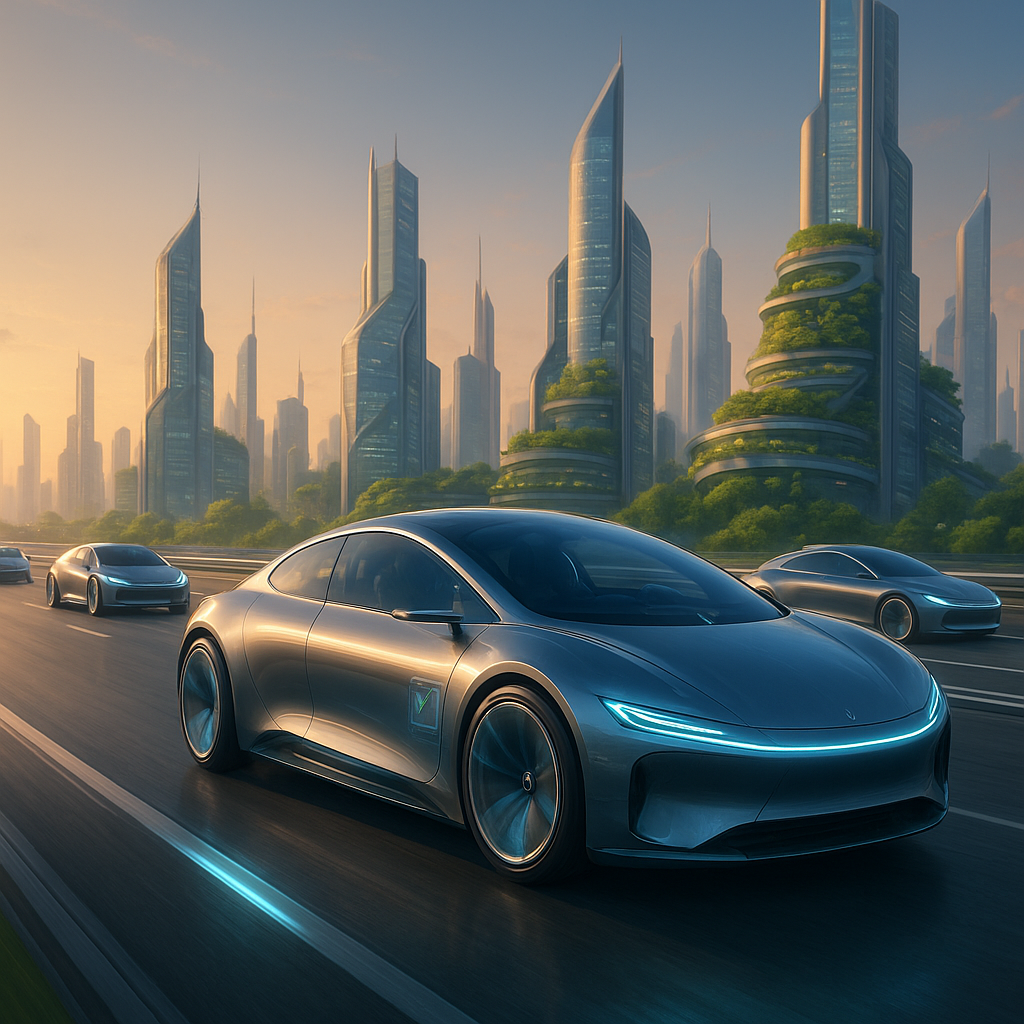
On a brisk morning in 2026, a family in Berlin sets off in their electric SUV, seamlessly connected to the city’s smart grid. Their route dynamically adjusts in real-time to avoid congestion and optimize battery use. This scene, increasingly common worldwide, encapsulates how cars have evolved beyond mere transportation devices into integral nodes of a vast, interconnected mobility ecosystem. The automotive landscape today is defined by rapid technological innovation, shifting consumer expectations, and pressing environmental challenges.
According to Statista data, global electric vehicle (EV) sales surpassed 20 million units in 2025, a staggering 40% increase from just three years earlier. This surge reflects more than just consumer preference shifts; it signals a tectonic transformation in how cars are designed, powered, and integrated into daily life. Yet, this revolution is layered with complexities, from supply chain bottlenecks to energy infrastructure demands, which collectively shape the contours of the industry’s future.
“The car is no longer just a product; it has become a digital platform, an energy storage unit, and a critical element in urban planning.” – Dr. Elena Martinez, Automotive Futurist
Tracing the Road: How We Arrived Here
The foundation of today’s automotive innovations can be traced back over two decades, marked by incremental advances and paradigm shifts. The early 2000s introduced hybrid powertrains, signaling the industry’s first significant response to environmental concerns. By the 2010s, breakthroughs in lithium-ion battery technology and falling prices accelerated the adoption of fully electric models.
Government policies worldwide played an instrumental role in this trajectory. For instance, the European Union’s 2019 Green Deal aggressively targeted zero-emission vehicles, mandating stricter CO2 limits and incentivizing EV adoption. Similarly, China’s New Energy Vehicle policy framework catalyzed domestic manufacturing capacity and consumer uptake, propelling the nation to become the world’s largest EV market by 2022.
Meanwhile, digital innovations such as advanced driver-assistance systems (ADAS) laid the groundwork for autonomous driving capabilities. Over the past decade, investments in artificial intelligence and sensor technologies have surged, with companies like Waymo, Tesla, and Baidu pushing the envelope on self-driving software.
“Our journey from internal combustion engines to intelligent, connected vehicles has been a marathon, not a sprint, shaped by innovation, regulation, and consumer demand.” – Michael Chen, Industry Analyst
Performance, Sustainability, and Tech: The 2026 Car Landscape
The core attributes defining cars in 2026 revolve around three pillars: performance, environmental sustainability, and technological sophistication. The automotive market now features vehicles that deliver rapid acceleration rivaling traditional sports cars while emitting near-zero tailpipe emissions. Battery energy densities have improved by over 50% since 2020, enabling ranges exceeding 600 miles on a single charge for many models.
Leading manufacturers have embraced modular platforms that support multiple powertrain types, including battery electric, hydrogen fuel cells, and even synthetic fuels, catering to diverse regional needs and regulatory environments. This flexibility is critical as the energy transition remains uneven globally.
Key data points highlighting industry shifts:
- EV market share: 35% of new car sales worldwide in 2026, up from 10% in 2020
- Battery cost: Average price dropped below $100/kWh, making EVs cost-competitive with internal combustion engine (ICE) vehicles
- Autonomous features: Level 3 autonomy is standard in over 40% of new vehicles sold in developed markets
- Hydrogen vehicles: Comprise 5% of commercial vehicle sales, primarily in heavy-duty segments
Technological integration extends beyond propulsion. Cars today function as mobile data centers, equipped with 5G connectivity, edge computing, and biometric authentication. The rise of over-the-air software updates allows manufacturers to continuously enhance vehicle capabilities and security post-sale.
This shift is also reflected in consumer preferences. According to recent surveys, buyers increasingly value software functionality and seamless ecosystem integration over traditional metrics like horsepower or trunk space. This trend underscores the industry's pivot towards holistic mobility solutions.
Emerging Trends and Breakthroughs in 2026
The current year marks notable milestones in automotive technology and market dynamics. One prominent trend is the widespread adoption of Vehicle-to-Everything (V2X) communication, enabling cars to interact with infrastructure, pedestrians, and other vehicles. This connectivity enhances safety, traffic management, and energy efficiency.
Another breakthrough is the maturation of solid-state batteries, which several manufacturers have begun integrating into mass-produced models. These batteries offer higher energy density, faster charging times, and improved safety over traditional lithium-ion chemistries, addressing some remaining barriers to EV adoption.
Moreover, the industry is witnessing a rise in subscription and shared mobility models, challenging conventional ownership paradigms. Companies like Volvo and BMW have expanded their mobility services, capitalizing on urbanization trends and younger consumers’ willingness to forgo ownership.
However, challenges remain. The global semiconductor shortage that plagued the industry in the early 2020s has largely eased, but supply chain resilience is now a priority due to geopolitical tensions and raw material scarcity. Additionally, the rapid increase in EVs strains electrical grids, necessitating coordinated investments in renewable energy and storage, as examined in our report Electric Cars Are Booming — But the Grid Isn't Ready.
Voices from the Industry: Perspectives on the Transformation
Experts widely agree that the automotive sector’s evolution is as much about software and services as it is about hardware. Sarah Kim, Chief Technology Officer at Lumina Motors, notes,
“We are transitioning from making cars to delivering mobility experiences. Our focus is on integrating AI-driven personalization and sustainability into every vehicle.”
Industry analysts emphasize the critical role of regulatory frameworks. According to a 2026 report by the International Energy Agency (IEA), coordinated policies that incentivize clean tech innovation while addressing infrastructure gaps are vital to meeting global climate goals.
Furthermore, the rise of new entrants — from tech giants to startups — has disrupted traditional automakers. The competition fosters innovation but also raises questions about data privacy, cybersecurity, and market consolidation.
For consumers, the benefits manifest in diverse ways, from reduced operating costs to enhanced safety features. However, disparities in access and affordability remain a concern, highlighting the need for inclusive mobility strategies.
Looking Ahead: What the Future Holds for Cars
What should industry stakeholders and consumers anticipate as the automotive revolution unfolds? Several key themes emerge:
- Deeper integration with energy systems: Cars will increasingly serve as distributed energy resources, supporting grid stability and renewable integration.
- Advancements in autonomy: Full Level 5 autonomy remains a target, but progress will be incremental, involving regulatory, ethical, and technological challenges.
- Personalization and AI: Vehicles will adapt dynamically to driver preferences and contexts, enhancing safety and comfort.
- New ownership models: Usage-based subscriptions and shared fleets will grow, reshaping urban mobility and reducing congestion.
- Global supply chain transformation: Emphasis on sustainability and resilience will drive localization and circular economy practices.
As the industry evolves, staying informed about these developments is crucial. Our coverage, including Cars in 2026: Innovations, Industry Shifts, and Future Roadmaps, offers in-depth analysis to help readers navigate this complex terrain.
In conclusion, cars in 2026 represent a fusion of engineering, digital technology, and environmental stewardship. They are reshaping not only how we travel but also how societies function. As Dr. Martinez aptly summarizes,
“The future of cars is the future of our cities, our energy systems, and ultimately, our planet.”