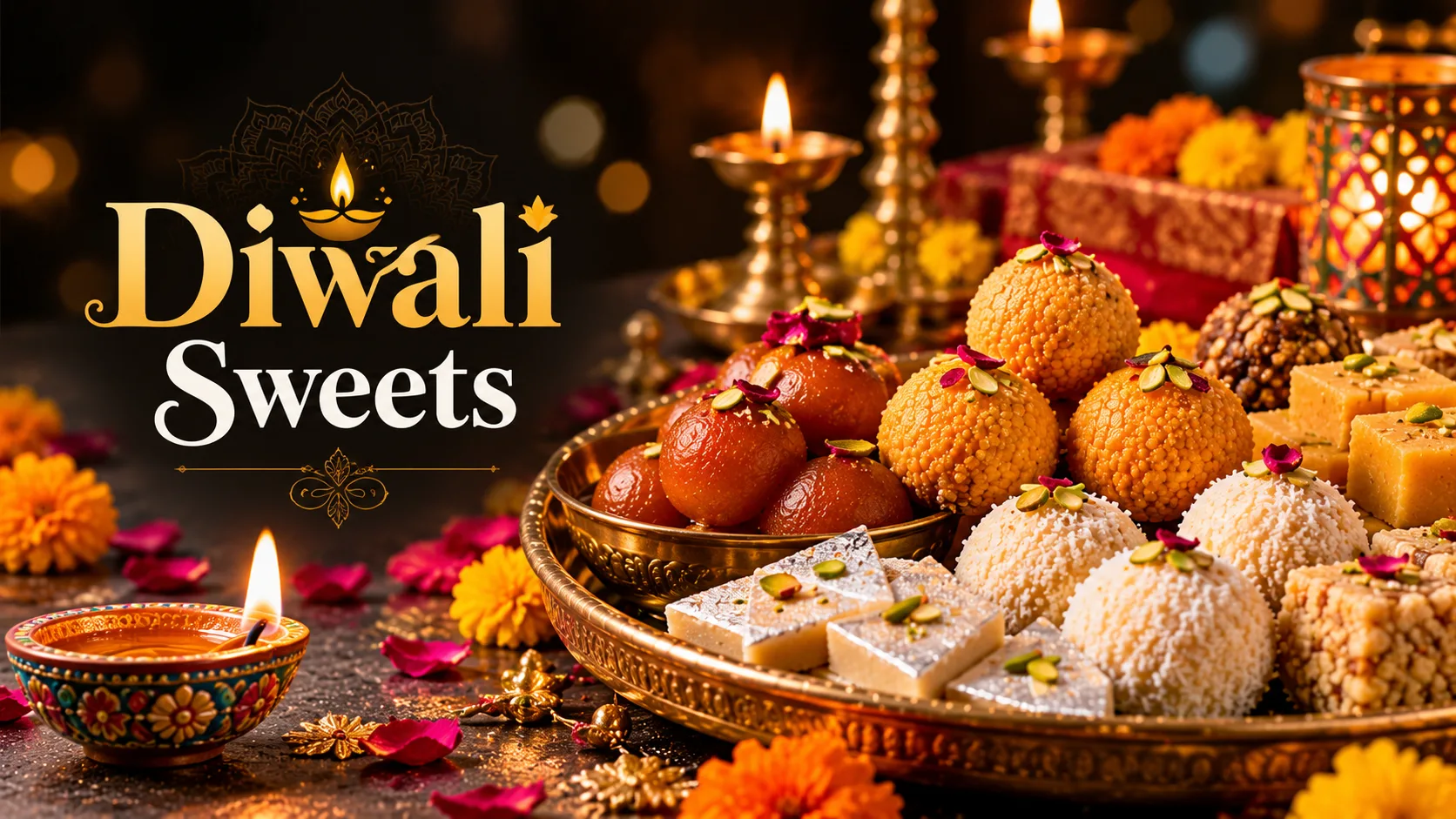
Diwali is one of India's most celebrated festivals, bringing families together through prayers, festive meals, gift exchanges, and traditional sweets. From besan ladoo and gulab jamun to kaju katli, Mysore pak, and coconut barfi, Diwali sweets reflect the diversity of Indian food culture. Preparing or sharing these treats is a cherished tradition that makes the festival more memorable.
Whether you prefer homemade recipes or convenient sweet mixes, choosing a variety of flavours and textures helps create a festive spread for family, friends, and guests.
Why Are Sweets an Important Part of Diwali?
Sweets hold a special place in Diwali celebrations. They are shared with relatives, offered during religious rituals according to family customs, and presented as gifts to friends, neighbours, and colleagues. Many households begin preparing festive treats several days before the main celebration.
Traditional recipes also connect families with regional food customs. While some households prepare laddus and savoury snacks, others make milk-based sweets, syrup-soaked desserts, or rich ghee-based delicacies. These differences make Indian festive food varied and meaningful.
For anyone looking to understand the wider range of Indian desserts, this guide to different types of Indian sweets offers a useful starting point.
Popular Diwali Sweets to Include in Your Festive Menu
1. Besan Ladoo
Besan ladoo is made using gram flour, ghee, sugar, and cardamom. Slowly roasting the gram flour develops its characteristic nutty aroma and rich flavour. Once the mixture reaches the right consistency, it is shaped into small round sweets.
These laddus are popular during Diwali because they are convenient to serve, share, and pack as gifts. Families can prepare them at home using traditional methods or choose a suitable instant mix when preparation time is limited.
2. Gulab Jamun
Gulab jamun is a much-loved Indian sweet featuring soft fried balls soaked in fragrant sugar syrup. Cardamom and rose water may be used to enhance the syrup's aroma, depending on the recipe.
It is commonly served warm or at room temperature during festive meals, family gatherings, and celebrations. Achieving a soft centre requires careful dough preparation, even frying, and sufficient time for the sweets to absorb the syrup.
3. Kaju Katli
Kaju katli is a cashew-based sweet known for its smooth texture and delicate diamond-shaped pieces. It is often presented in decorative gift boxes during Diwali.
The preparation involves grinding cashews and cooking the mixture with sugar until it reaches a workable consistency. Although the ingredient list is relatively short, temperature control is important for achieving a smooth finish.
4. Mysore Pak
Mysore pak is a traditional South Indian sweet made primarily from gram flour, sugar, and ghee. Its texture can range from soft and rich to firm and crumbly, depending on the preparation method.
It is particularly popular in Tamil Nadu, Karnataka, and other parts of South India during festivals and family celebrations. Small portions are often sufficient because of its rich flavour.
5. Coconut Ladoo
Coconut ladoo is prepared using grated coconut and a sweet binding ingredient such as condensed milk, sugar syrup, or jaggery. Some recipes include cardamom for extra aroma.
This variety is suitable for festive menus because it can be prepared in different ways depending on the ingredients available. Fresh coconut creates a moist texture, while desiccated coconut can be convenient for quick preparations.
Traditional Sweets Across Different Indian Regions
Diwali menus vary by region, reflecting local ingredients and culinary traditions. In Tamil Nadu, families may prepare adhirasam, mysore pak, and other ghee- or jaggery-based sweets. Northern Indian celebrations often feature ladoos, kaju katli, peda, and gulab jamun.
Western Indian festive menus may include shankarpali, karanji, and other regional specialities, while eastern India is known for sweets made with chhena and milk-based preparations.
These regional differences show how the same festival can bring together many distinct flavours. Read more about traditional Indian sweets and their regional heritage to learn how recipes and ingredients differ across the country.
Planning Homemade Diwali Sweets
Preparing sweets ahead of time can make festive cooking more manageable. Begin by deciding which varieties you want to serve, checking ingredient quantities, and arranging the required utensils and storage containers.
Dry sweets such as besan ladoo can often be prepared ahead, provided they are cooled completely and stored in a clean, airtight container. Milk-based sweets may require refrigeration, while syrup-based desserts should be stored according to their ingredients and preparation method.
For beginners, choosing recipes with familiar ingredients can help reduce preparation challenges. Rava-based sweets, coconut ladoo, and simple homemade desserts are practical options to consider. This collection of easy sweet recipes for home preparation provides additional inspiration for busy festive kitchens.
Making Diwali Preparations Easier
Traditional sweets do not always require complicated techniques, but they often benefit from careful measurements and patience. Roasting flour evenly, monitoring sugar syrup, and allowing sweets to cool properly can make a noticeable difference to the final texture.
When time is limited, suitable ready mixes can simplify certain preparations. Choose products according to the recipe you intend to make, follow the package directions, and check ingredient information before serving guests with specific dietary requirements.
A thoughtfully planned selection of Diwali sweets can make family gatherings and festive gifting more enjoyable. Combining traditional favourites with a few easy-to-prepare treats allows households to celebrate the festival while keeping kitchen preparations organised.