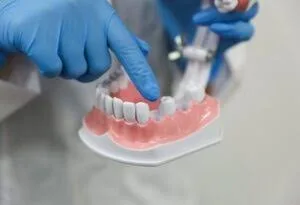
Dental Implants in Weybridge for Replacing Missing Teeth
Missing teeth can affect much more than the appearance of your smile. They may make eating certain foods uncomfortable, change the way you speak and leave you feeling less confident in social situations. Whether you have lost a tooth through injury, decay or gum disease, finding a suitable replacement can help restore everyday comfort and function. Modern dentistry offers several options, including dental implants, which are designed to provide a stable foundation for replacement teeth.
At Munro Hall Clinic, patients can explore restorative dental treatments with a focus on personalised care and whole-body wellbeing. Understanding the available options is an important first step towards making a decision that suits your oral health, preferences and long-term needs.
Understanding How Dental Implants Work
A dental implant is a small post placed into the jawbone to act as an artificial tooth root. Once it has integrated with the surrounding bone, a replacement tooth, such as a crown, can be attached to restore the missing part of your smile. Depending on the number of teeth involved, implants may also support a bridge or other restorative solutions.
Unlike a removable denture, an implant-supported tooth is designed to remain securely in place. It can help restore chewing function and provide a natural-looking result when carefully planned and maintained.
However, implants are not suitable for everyone. Healthy gums, sufficient bone support and good oral hygiene are important considerations. A dental assessment helps determine whether this treatment is appropriate or whether another option would be more suitable.
Why Consider Replacing Missing Teeth?
Leaving a gap in your mouth can sometimes affect your bite and the position of neighbouring teeth. Depending on the location of the missing tooth, you may notice changes in chewing, difficulty cleaning certain areas or reduced confidence when smiling.
Replacing a missing tooth can help restore balance and improve the way your teeth work together. Implant treatment can also help preserve the jawbone in the area because the implant transfers functional forces to the bone. Although it cannot prevent all bone changes, it may help limit the bone loss associated with a missing tooth.
The right treatment depends on your individual circumstances. Some patients may benefit from an implant, while others may prefer a dental bridge or denture. Discussing these choices with your dentist allows you to understand the benefits, limitations and maintenance requirements of each option.
Exploring Dental Implants Weybridge Patients Can Consider
When researching dental implants weybridge, it is worth looking beyond the appearance of the final replacement tooth. The materials used, the condition of your gums, your medical history and your personal preferences all play a role in treatment planning.
Munro Hall Clinic takes a holistic approach to dental care, considering oral health alongside wider wellbeing. For patients interested in a metal-free alternative, zirconia implants may be an option worth discussing. Made from ceramic material, zirconia implants offer a different approach to traditional titanium implants and have a tooth-coloured appearance.
The choice between zirconia and titanium should be based on a clinical assessment rather than appearance alone. Your dentist can explain the evidence, suitability, potential risks and expected outcomes of each material before you decide.
What Happens During the Treatment Process?
Implant treatment usually involves several stages, and the exact process varies from patient to patient.
Initial consultation and assessment: Your dentist examines your teeth, gums and bite, reviews your medical history and may recommend imaging to assess the jawbone. This information helps establish whether an implant is appropriate.
Personalised treatment planning: If treatment is suitable, your dentist explains the proposed procedure, available materials, estimated costs and likely timescale. Any existing gum disease or other oral health concerns may need to be addressed first.
Implant placement: The implant is placed into the jawbone during a planned procedure. Healing time follows, allowing the implant to integrate with the bone. This process can take several months, depending on individual healing and whether additional procedures are needed.
Final restoration: Once the implant is sufficiently stable, a custom-made crown or other restoration is fitted. Your dentist checks the fit, bite and appearance to help ensure the replacement works comfortably.
Regular follow-up appointments are important throughout treatment and afterwards.
Caring for Your New Replacement Tooth
Although an implant cannot develop tooth decay, the surrounding gum tissue can still become inflamed or infected. Good daily care is therefore essential for maintaining the health of the implant and the tissues around it.
Brush twice daily with fluoride toothpaste and clean carefully between your teeth and around the implant using suitable interdental brushes or other recommended cleaning aids. Attend regular dental examinations and professional hygiene appointments so that any developing problems can be identified early.
Smoking, uncontrolled diabetes, poor oral hygiene and a history of gum disease can increase the risk of complications. Your dentist can explain how these factors may affect your individual treatment and what steps may help improve your chances of a successful outcome.
With appropriate planning and ongoing maintenance, implants can provide a long-lasting tooth replacement. However, their lifespan varies, and the crown or other restoration may require repair or replacement over time.
Choosing a Holistic Approach to Tooth Replacement
For some patients, the choice of dental treatment also involves questions about materials and their compatibility with individual needs. A holistic approach considers these preferences alongside established clinical principles, oral health requirements and the available evidence.
At Munro Hall Clinic in Weybridge, restorative dentistry is approached with attention to the individual patient, including their dental condition, treatment goals and wider wellbeing. Patients can discuss metal-free zirconia implants, conventional implant options and alternative ways of replacing missing teeth during a consultation.
Understanding the advantages and limitations of each approach helps you make an informed decision without feeling rushed. It is also an opportunity to ask about recovery, ongoing maintenance, potential complications and the total cost of treatment.
Conclusion
Replacing missing teeth can improve chewing function, support a balanced bite and help you feel more comfortable with your smile. Dental implants are one option to consider, but their suitability depends on your oral health, bone support and individual circumstances. Careful assessment, appropriate material selection and consistent aftercare all contribute to better long-term maintenance.
If you are considering tooth replacement, arrange a consultation with Munro Hall Clinic to discuss your needs and explore the available treatment options. The team can help you understand the next steps and develop a personalised plan based on your dental health and preferences. Take the first step towards restoring your smile by arranging an appointment and discussing whether implant treatment could be right for you.