
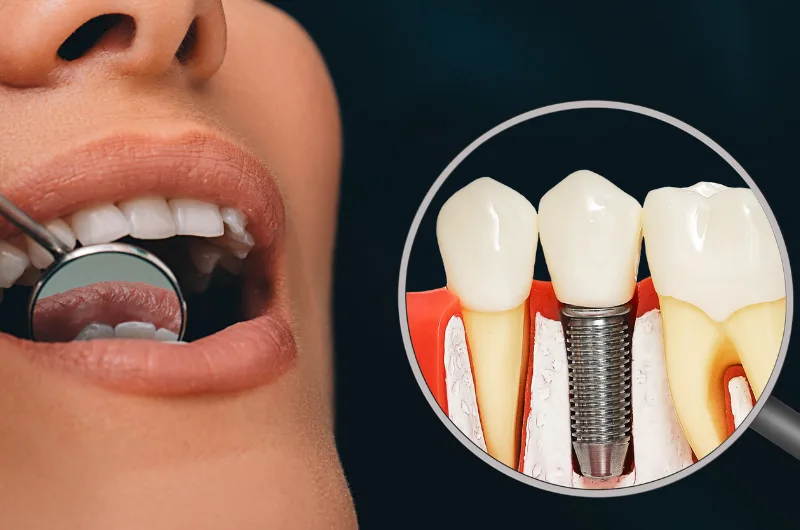
Missing teeth can affect much more than your appearance. They can make eating and speaking more difficult, impact your confidence, and even lead to long-term oral health problems. Fortunately, modern dentistry offers reliable tooth replacement options that restore both function and aesthetics. Among the most popular solutions are dental implants and dentures, each designed to help patients regain a complete smile.
While both treatments replace missing teeth, they differ in how they function, their long-term benefits, and the situations in which they are most appropriate. Understanding these options can help you make an informed decision about your oral health.
Understanding Dental Implants and Osseointegration
Dental implants are considered one of the most advanced tooth replacement solutions available today. Unlike traditional dentures, which rest on the gums, dental implants are surgically placed into the jawbone to function like natural tooth roots.
Once an implant is placed, it undergoes a remarkable biological process called osseointegration. During this healing phase, the jawbone naturally fuses with the titanium implant, creating a secure and stable foundation for a dental crown, bridge, or denture.
This strong bond offers several important benefits:
- Exceptional stability for replacement teeth
- Improved chewing ability
- Natural-looking appearance
- Long-lasting durability
- Preservation of jawbone density
One of the greatest advantages of implants is their ability to reduce bone loss. When a tooth is lost, the surrounding jawbone gradually begins to shrink because it no longer receives stimulation from the tooth root. Dental implants replace that missing stimulation, helping maintain the shape and strength of the jaw over time.
Interestingly, the concept of dental implants is far from new. Archaeological discoveries have shown that the ancient Mayans experimented with tooth replacements made from carved stones and seashells as early as 600 AD. Some of these primitive implants even fused with the jawbone in a way similar to modern osseointegration.
The Versatility of Modern Dental Implants
Many people believe every missing tooth requires its own implant, but modern implant dentistry is often much more efficient.
Depending on the number and location of missing teeth, one implant may support multiple replacement teeth. For example, two strategically placed implants can often support a bridge replacing three or more adjacent teeth.
Dental implants can be used for:
- Replacing a single missing tooth
- Supporting a dental bridge
- Replacing multiple missing teeth
- Stabilizing full or partial dentures
Implant-supported dentures have become especially popular because they combine the affordability of dentures with the stability of implants.
Unlike conventional dentures that rely on adhesives or suction, implant-supported dentures securely attach to implants placed in the jaw. This secure connection helps eliminate unwanted movement while eating or speaking and often removes the need for bulky upper plates that cover the roof of the mouth.
As a result, many patients experience greater comfort, stronger biting ability, and increased confidence during everyday activities.
Dentures: A Reliable Solution for Missing Teeth
Dentures continue to be an effective and practical option for replacing missing teeth, particularly for individuals who have lost multiple teeth or an entire arch.
Modern dentures are custom designed to match each patient's unique oral structure, providing a natural appearance while restoring important daily functions.
There are several types of dentures available.
Full Dentures
Full dentures replace all of the teeth in either the upper or lower jaw. They rest comfortably on the gums and are carefully designed to restore facial support, improve speech, and enhance chewing ability.
Partial Dentures
Partial dentures are recommended for patients who still have several healthy natural teeth. They fill the gaps left by missing teeth while using the remaining teeth for support, helping maintain proper alignment and preventing shifting.
Implant-Supported Dentures
For patients seeking additional stability, implant-supported dentures provide an excellent alternative to traditional removable dentures. By attaching securely to dental implants, they reduce slipping, improve comfort, and help preserve jawbone health.
Each denture option offers unique advantages, and the best choice depends on factors such as oral health, bone density, lifestyle, and personal preferences.
What to Expect During the Implant and Denture Process
One common concern among patients considering dental implants is whether the procedure will be painful.
Fortunately, advances in modern dentistry have made implant placement far more comfortable than many people expect. Most patients report discomfort similar to having a dental filling or root canal rather than major surgery.
The procedure benefits from advanced digital imaging, allowing dentists to place implants with exceptional accuracy while minimizing trauma to surrounding tissues.
Although complete healing and osseointegration may take six weeks or longer, this period is generally associated with minimal discomfort as the implant gradually becomes part of the jawbone.
The denture process is equally personalized and involves several important steps.
Consultation and Examination
The dentist evaluates your oral health, discusses your goals, and recommends the most appropriate tooth replacement option.
Custom Design
Detailed impressions are taken to create dentures that fit comfortably while complementing your facial appearance and bite.
Fitting and Adjustments
Once completed, your dentures are carefully fitted, with adjustments made to maximize comfort and function.
Ongoing Care
Regular follow-up appointments help ensure your dentures continue fitting properly as your mouth naturally changes over time.
Whether receiving implants or dentures, personalized treatment planning helps achieve long-lasting comfort and optimal results.
Benefits of Dental Implants and Dentures
Both dental implants and dentures provide significant improvements in oral health and quality of life.
Some of the most important benefits include:
- Restoring a complete smile
- Improving confidence in social situations
- Enhancing speech clarity
- Making chewing more comfortable
- Supporting facial muscles
- Preventing shifting of remaining teeth
- Improving overall oral function
Dental implants offer the added advantage of preserving jawbone density and providing exceptional stability.
Dentures remain an excellent option for individuals seeking a cost-effective solution that restores appearance and daily function.
Thanks to modern materials and manufacturing techniques, today's dentures are more comfortable, natural-looking, and functional than ever before.
In many cases, implant-supported dentures combine the strengths of both treatments, offering improved stability while maintaining the convenience of removable prosthetics.
Choosing the Right Tooth Replacement Option
Selecting between dental implants and dentures depends on several individual factors, including:
- Number of missing teeth
- Overall oral health
- Jawbone condition
- Lifestyle needs
- Budget
- Personal treatment goals
A comprehensive dental examination is the best way to determine which option will provide the most successful long-term outcome.
Many patients benefit from discussing all available treatment options before making a decision, ensuring their choice supports both their immediate needs and future oral health.
Final Thoughts
Dental implants and dentures both play an important role in restoring healthy, functional smiles. While dental implants offer exceptional stability and help preserve jawbone health through osseointegration, dentures remain a reliable and effective solution for replacing multiple missing teeth. Advances in modern dentistry have also made implant-supported dentures an excellent option for patients seeking greater comfort and confidence.
For individuals exploring dental implants and dentures, Heritage Family Dental in Nelson, BC, offers personalized treatment plans tailored to each patient's unique needs. Their experienced dental team provides comprehensive tooth replacement solutions, from traditional and implant-supported dentures to advanced dental implant procedures, helping patients restore their smiles, improve oral function, and enjoy lasting confidence with compassionate, high-quality care.