
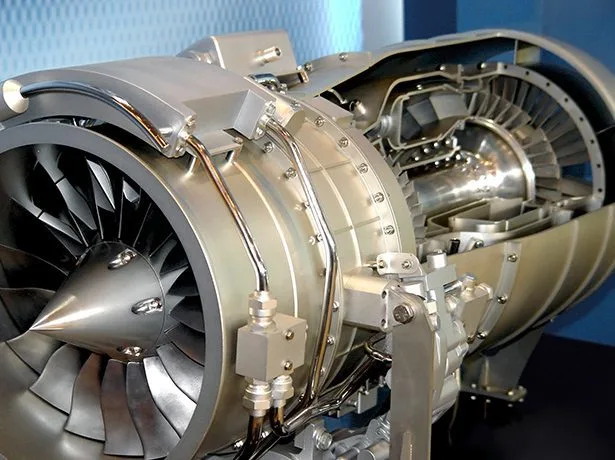
Heat exchangers are at the heart of countless industrial systems, transferring heat efficiently to maintain optimal operating temperatures and improve equipment reliability. While standard heat exchangers work well for general applications, many industries operate under unique conditions that demand specialised thermal solutions. From aerospace and defence to power generation, medical devices, semiconductors, and industrial manufacturing, every application has different performance, space, pressure, and environmental requirements. This is where custom heat exchanger engineering becomes essential.
Working with experienced shell and tube heat exchanger engineers allows businesses to develop thermal management systems that are specifically designed for their equipment, operating conditions, and performance objectives. Instead of adapting existing products to complex applications, custom engineering delivers heat exchangers that maximise efficiency, improve reliability, and extend equipment life.
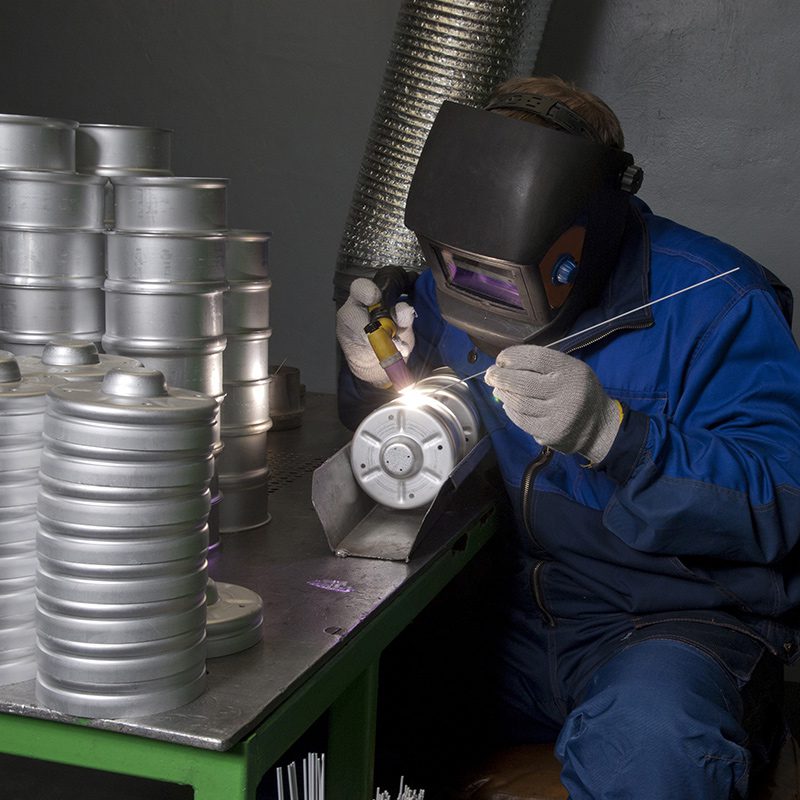
Why Custom Heat Exchanger Engineering Matters
Every industrial system generates heat differently. Factors such as operating temperature, pressure, fluid characteristics, installation space, vibration, and environmental exposure all influence heat exchanger performance.
Standard products often require compromises because they are built for broad applications rather than specific operating conditions. Custom engineering eliminates these limitations by designing equipment around the exact needs of the application.
This tailored approach improves thermal efficiency while reducing unnecessary weight, pressure loss, maintenance requirements, and energy consumption.
Understanding the Engineering Process
Professional custom heat exchanger engineering begins with a detailed evaluation of the customer's application.
Engineers analyse multiple variables before developing an optimal design, including:
- Heat load requirements
- Fluid properties
- Flow rates
- Pressure limitations
- Operating temperatures
- Installation constraints
- Environmental conditions
- Material compatibility
- Long-term reliability expectations
Using advanced thermal simulation and computational analysis, engineers create designs that achieve maximum performance without overengineering the solution.
The Role of Shell and Tube Heat Exchanger Engineers
Among the most widely used thermal systems, shell and tube heat exchangers remain a preferred choice for demanding industrial environments.
Experienced shell and tube heat exchanger engineers optimise every component of the design to improve heat transfer while maintaining structural integrity.
Their responsibilities include:
Thermal Performance Analysis
Engineers calculate heat transfer rates, temperature differentials, and flow efficiency to ensure the exchanger performs under expected operating conditions.
Mechanical Design
Tube layouts, shell dimensions, baffles, nozzles, supports, and expansion allowances are carefully engineered for maximum durability and efficiency.
Material Selection
Choosing the right material directly impacts corrosion resistance, thermal conductivity, mechanical strength, and service life.
Depending on the application, engineers may recommend:
- Stainless steel
- Aluminium
- Copper alloys
- Titanium
- Nickel alloys
- High-performance specialty metals
Pressure and Flow Optimisation
Proper flow distribution minimises pressure drop while improving overall heat transfer efficiency throughout the system.
Industries That Benefit from Custom Heat Exchanger Engineering
Tailored thermal management solutions are essential across many industries where reliability and performance are critical.
Aerospace and Defence
Aircraft systems operate under extreme temperatures, vibration, altitude changes, and weight restrictions. Custom heat exchangers provide lightweight, compact cooling solutions for avionics, radar systems, power electronics, and hydraulic equipment.
Electronics Cooling
Modern electronic devices generate significant heat within compact enclosures. Custom thermal solutions maintain safe operating temperatures while improving reliability and extending component life.
Industrial Manufacturing
Manufacturing equipment relies on precise temperature control to maintain production quality and equipment efficiency. Custom-designed heat exchangers improve process stability while reducing downtime.
Medical Equipment
Medical imaging systems, diagnostic equipment, and laboratory devices require accurate thermal management to ensure consistent performance and patient safety.
Energy and Power Systems
Power generation facilities depend on efficient heat exchangers to optimise energy transfer while maintaining safe operating conditions in demanding environments.
Advantages of Custom Heat Exchanger Solutions
Investing in professionally engineered thermal systems offers several measurable benefits.
Improved Thermal Efficiency
Custom designs maximise heat transfer by optimising flow paths, surface area, and material selection.
Compact System Integration
Engineered solutions fit within available installation space while meeting demanding performance requirements.
Greater Equipment Reliability
Proper thermal management reduces component stress, preventing overheating and extending equipment lifespan.
Lower Operating Costs
Efficient heat exchangers consume less energy, reduce maintenance requirements, and improve overall system productivity.
Enhanced Design Flexibility
Custom engineering allows designers to accommodate unique mounting requirements, unusual fluid characteristics, specialised materials, and demanding operating environments.
Modern Engineering Technologies
Today's engineering teams utilise advanced software and testing methods to optimise heat exchanger performance before manufacturing begins.
These technologies include:
- Computational Fluid Dynamics (CFD)
- Finite Element Analysis (FEA)
- Thermal simulation
- 3D CAD modelling
- Prototype validation
- Performance testing
Virtual modelling allows engineers to refine designs while reducing development time and manufacturing costs.
Choosing the Right Engineering Partner
Successful heat exchanger development requires more than manufacturing capability alone.
Look for engineering partners that provide:
- In-house thermal design expertise
- Application-specific engineering
- Advanced simulation capabilities
- Precision manufacturing
- Material engineering knowledge
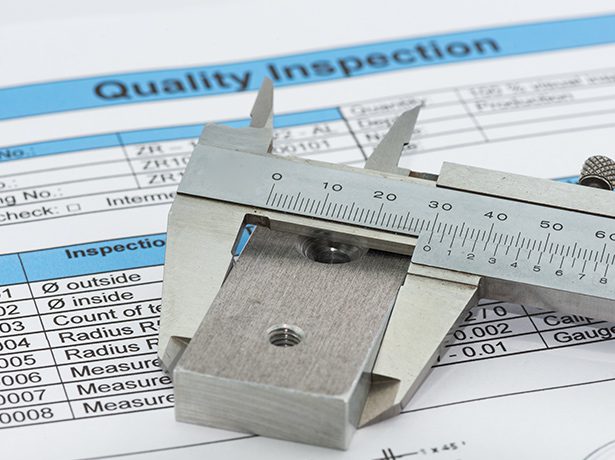
- Quality assurance and testing
- End-to-end project support
A collaborative engineering approach results in solutions that perform reliably throughout the product lifecycle.
Conclusion
Professional custom heat exchanger engineering enables businesses to overcome complex thermal challenges with solutions designed specifically for their operating requirements. Working with experienced shell and tube heat exchanger engineers ensures optimal heat transfer, improved reliability, and long-term operational efficiency across critical applications. By combining engineering expertise with advanced manufacturing capabilities, Parfuse Corporation delivers custom thermal solutions that help industries maximise performance while meeting today's most demanding engineering standards.