When it comes to weighing precious metals, gemstones, and jewellery pieces, accuracy matters more than ever. Whether you are a jeweller, pawnbroker, gemstone trader, or hobbyist, choosing the right jewellery scale can directly impact pricing, customer trust, and business efficiency. One of the most common questions buyers ask is: should you choose a digital jewellery scale or an analog jewellery scale?
Both options have their own advantages, and the right choice depends on your weighing needs, budget, and working environment.
What Are Jewellery Scales?
Jewellery scales are precision weighing instruments designed to measure lightweight and valuable items with high accuracy. These scales are commonly used for weighing:
- Gold
- Silver
- Diamonds
- Gemstones
- Coins
- Precious metals
- Small jewellery components
Jewellery scales typically measure in grams, carats, ounces, or grains and are built to provide highly accurate readings for small items.
Understanding Digital Jewellery Scales
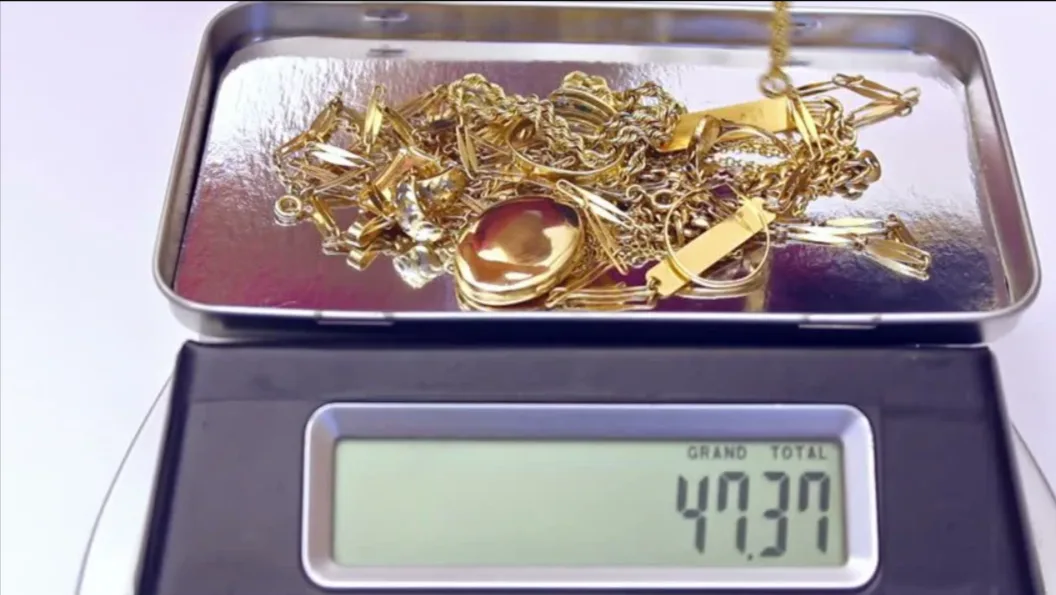
Digital jewellery scales use electronic sensors and digital displays to provide weight measurements instantly. These are the most commonly used scales in modern jewellery stores and workshops.
Key Features of Digital Jewellery Scales
- LCD or LED digital display
- High precision readings
- Multiple weighing units
- Tare function
- Compact and portable design
- Battery or AC-powered operation
Advantages of Digital Jewellery Scales
1. Superior Accuracy
Digital jewellery scales are known for delivering extremely precise measurements. Many models can measure down to 0.01g or even 0.001g, making them ideal for weighing diamonds, gemstones, and precious metals.
2. Easy-to-Read Display
The digital display eliminates guesswork. Users can quickly read measurements without interpreting needles or balance positions.
3. Faster Weighing Process
Digital scales provide instant results, improving workflow efficiency in busy jewellery stores and workshops.
4. Multiple Unit Conversion
Most digital scales allow users to switch between grams, ounces, carats, pennyweights, and grains with a single button.
5. Compact and Portable
Modern digital jewellery scales are lightweight and portable, making them convenient for mobile jewellers and traders.
Disadvantages of Digital Jewellery Scales
- Require batteries or power supply
- Sensitive electronic components may need careful handling
- Higher-end models can be expensive
- May require periodic calibration
Understanding Analog Jewellery Scales
Analog jewellery scales use mechanical balancing systems instead of electronic sensors. These scales rely on springs, counterweights, or balance beams to determine weight.
Although less common today, analog scales are still used by some jewellers who prefer traditional weighing methods.
Key Features of Analog Jewellery Scales
- Mechanical operation
- No electricity required
- Traditional balance design
- Durable structure
- Manual reading system
Advantages of Analog Jewellery Scales
1. No Power Needed
Analog scales function without batteries or electricity, making them reliable in environments where power access is limited.
2. Long-Term Durability
Mechanical jewellery scales often have fewer electronic parts, reducing the risk of electronic failure over time.
3. Traditional Craftsmanship Appeal
Some professional jewellers appreciate the classic appearance and traditional operation of analog scales.
4. Lower Maintenance for Electronics
Because they do not rely on electronic circuits, analog scales avoid issues like battery failure or display malfunction.
Disadvantages of Analog Jewellery Scales
- Lower precision compared to digital models
- Slower weighing process
- Harder to read accurately
- Limited weighing unit options
- More user skill required
Digital vs. Analog Jewellery Scales: Key Differences
FeatureDigital Jewellery ScalesAnalog Jewellery ScalesAccuracyExtremely highModerateSpeedInstant readingsSlower readingsEase of UseVery easyRequires manual interpretationPower RequirementBatteries/electricityNo power neededPortabilityHighly portableDepends on designMaintenanceCalibration and battery replacementMechanical maintenanceCostVaries from affordable to premiumOften affordableFeaturesAdvanced functions availableLimited featuresWhich Jewellery Scale Is Better for Professional Jewellers?
For most professional jewellers, digital jewellery scales are the preferred option. Precision is essential when dealing with valuable items, and digital scales offer the level of accuracy needed for:
- Gold trading
- Diamond weighing
- Gemstone valuation
- Jewellery manufacturing
- Retail jewellery sales
Digital scales also improve customer confidence by providing fast and transparent measurements.
When Analog Jewellery Scales May Be a Better Choice
Although digital scales dominate the jewellery industry, analog scales can still be useful in certain situations.
Analog jewellery scales may suit users who:
- Prefer traditional weighing methods
- Work in areas without reliable electricity
- Need a simple backup scale
- Value mechanical durability
- Use scales occasionally rather than daily
Some antique jewellers and collectors also prefer analog scales for aesthetic and historical reasons.
Important Factors to Consider Before Buying a Jewellery Scale
1. Accuracy Requirements
If you work with diamonds, gemstones, or precious metals, high precision is critical. Digital scales generally provide better accuracy.
2. Capacity
Consider the maximum weight you need to measure. Jewellery scales come in different capacities depending on usage.
3. Readability
Digital displays are easier to read and reduce human error during measurements.
4. Calibration
Choose a scale that supports easy calibration to maintain consistent accuracy over time.
5. Portability
If you travel frequently or attend jewellery exhibitions, a compact portable scale can be highly beneficial.
6. Durability
Look for durable construction and protective covers, especially for commercial environments.
7. Budget
Analog scales are often less expensive initially, but digital scales provide more advanced functionality and convenience.
Common Applications of Jewellery Scales
Jewellery scales are widely used across different industries and professions, including:
- Jewellery retail stores
- Gold buying businesses
- Pawn shops
- Gemstone trading
- Precious metal refining
- Laboratories
- Coin collectors
- Hobby jewellery makers
Why Digital Jewellery Scales Are Becoming More Popular
The jewellery industry increasingly relies on digital weighing technology because of its efficiency and precision. Modern digital scales now include advanced features such as:
- Auto shut-off
- Touchscreen displays
- Bluetooth connectivity
- Counting functions
- Wind shields for improved accuracy
- Data recording capabilities
These innovations help jewellers streamline operations while maintaining accurate measurements.
Tips for Maintaining Your Jewellery Scale
Regardless of whether you choose a digital or analog model, proper maintenance is essential.
Maintenance Tips
- Keep the scale clean and dust-free
- Avoid overloading the scale
- Store it in a stable environment
- Calibrate regularly
- Protect the scale from moisture and vibrations
- Use protective covers when not in use
Proper care helps extend the lifespan and maintain weighing accuracy.
Final Thoughts
Choosing between digital and analog jewellery scales ultimately depends on your specific needs and preferences. However, for most modern jewellery applications, digital jewellery scales offer superior accuracy, convenience, and efficiency.
If precision, speed, and advanced functionality are your priorities, a digital jewellery scale is likely the best investment. On the other hand, if you prefer traditional craftsmanship, simplicity, or power-free operation, an analog jewellery scale may still serve your needs effectively.
Before making a purchase, evaluate your weighing requirements, workspace, budget, and long-term usage expectations. Investing in the right jewellery scale can improve accuracy, customer trust, and overall business performance.
For professional jewellers and businesses handling valuable items daily, digital jewellery scales remain the industry standard for reliable and precise measurements.