A solid front door once felt like enough. These days, break-in techniques have grown more sophisticated, while the cost of replacing valuables, or peace of mind, keeps climbing. A security door offers an extra layer that a standard timber or hollow-core panel simply cannot. Yet with so many mesh grades, frame materials and compliance stickers on the market, deciding which model to fit can be surprisingly complex.
Below, we unpack what makes a true security door, how to weigh up looks versus strength, and where professional installation fits into the picture.
Why a Security Door Is More Than a Lock
Most break-ins start at the easiest point of entry. Hollow doors can be kicked in. Simple retractable fly-screens are easily sliced. A purpose-built barrier rated to withstand impact, knife attack and jemmying has a very different job: it buys time and sends burglars looking elsewhere.
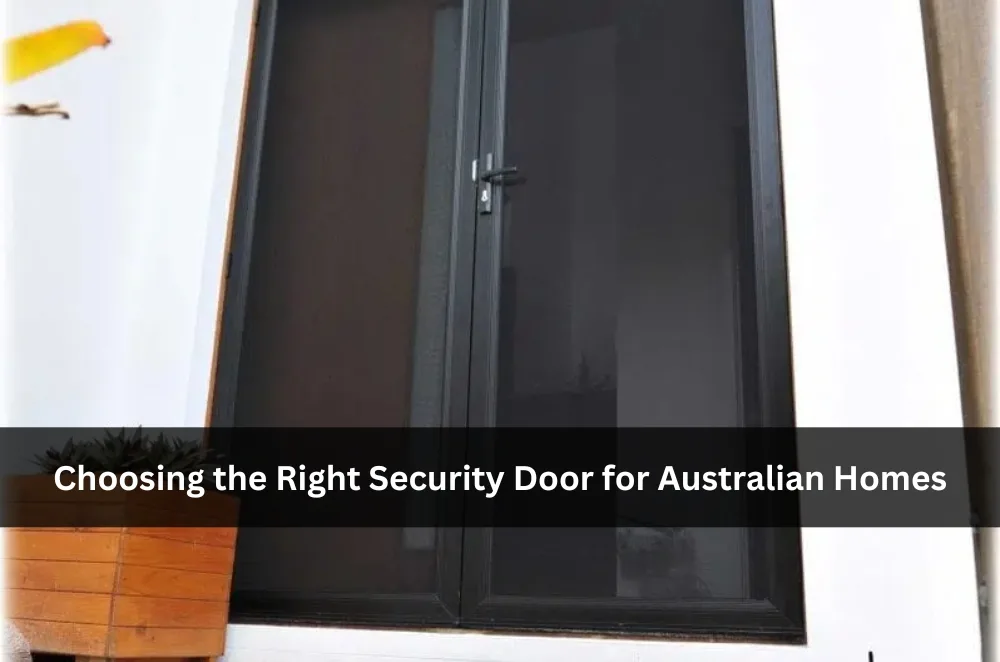
That upgrade starts with the frame. Aluminium is lightweight and corrosion-resistant, handy in coastal suburbs, while stainless steel options trade a few extra kilos for superior tensile strength. The infill mesh must stand up to pulling and cutting too. High-tensile 316 marine-grade stainless steel woven into a fine screen remains the benchmark.
Opt for doors tested to Australian Standard AS 5039. It sets minimum performance against impact, lever, knife and shut-in tests. Products compliant with AS 5041 go a step further by having their installation methods assessed as well. If you want details on compliant options for enhancing home entry safety, ScreenGuard’s range of security screen doors provides a useful reference.
Matching Materials to Climate and Lifestyle
Not every region throws the same challenges at a doorway. In humid Far North Queensland, powder-coated aluminium defies salt-laden air better than raw steel. Down south, bushfire-prone areas might prioritise a BAL-rated door with a fine aperture mesh that blocks embers as well as insects.
Consider how often you leave the main door ajar for airflow. Stainless mesh maximises breeze without large diamond grills, keeping the entrance looking modern. Pet owners may lean toward thicker architectural-grade aluminium that resists claw damage. A quick check of warranty length offers clues to long-term durability; reputable suppliers back powder coating and mesh integrity for at least a decade.
Design Doesn’t Have to Take a Back Seat
Older security doors carried bulky mid-rails and obvious rivets. Recent laser-cut patterns, concealed fasteners and colour-matched frames mean the barrier can blend, or even become a design feature. Choose a profile that echoes the home’s existing window frames. Matt black trims sit well against heritage brickwork, while Surfmist or Woodland Grey disappear into coastal weatherboards.
Sightlines matter too. Frameless edge-to-edge mesh lets you see visitors before opening, boosting both security and accessibility. If privacy is a priority, denser weaves reduce visibility from the street without blocking outgoing light.
The Hidden Value of Professional Installation
You might buy the strongest door on the shelf, but if the hinges sit on timber packers or the lock throw misses the strike plate, overall security drops sharply. Certified installers use proprietary three-point locking systems, tamper-resistant screws and steel fixing channels anchored into brick or stud framing. They’ll measure square openings, scribe to uneven thresholds and adjust for seasonal swelling, small details that keep the door swinging smoothly years later.
Hiring a licensed installer can also preserve manufacturer warranty; DIY fitting often voids claims on frame or mesh damage. Expect the process to include a final alignment check, lock functionality test and advice on cleaning powder-coated surfaces with a pH-neutral detergent every few months.
Maintenance: A Few Minutes Saves Years
Even stainless steel can collect red dust or airborne salt crystals. A gentle wash and microfiber wipe prevents pitting. Lubricate triple locks annually with a graphite-based spray, oil attracts grit. Inspect hinge pins; if a retaining screw is loose, catching it early beats replacing a warped frame later.
For homes near surf or busy roads, quarterly cleans make sense. Inland, twice-yearly attention usually suffices. Keep abrasive pads well away from mesh; they scratch protective coatings and accelerate corrosion.
Cost Versus Long-Term Benefit
Quality security doors start higher than fly-screens, but the equation shifts when you factor in insurance excesses or lost leave replacing stolen items. Many insurers offer premium discounts for homes certified to AS 5039; check with your provider. Over ten or more years of service life, the per-week cost of a mid-range stainless option can work out surprisingly modest compared with other home upgrades like solar panels or ducted air-conditioning.
Financing through a home-improvement lender or bundling multiple openings, front, laundry and patio, can unlock package pricing. Just confirm that each opening receives individual compliance tags rather than a blanket certificate.
When to Upgrade
Signals that a replacement is due include daylight visible around the frame, bent grills, rust flecks at welds, loose handles or locks needing a jiggle. Renovations add another prompt: fitting new composite jambs without upgrading the screen invites a weak point. Likewise, if children have grown old enough to unlatch a fly-screen solo, shifting to a keyed-alike triple lock improves safety.
A Practical Next Move
Start with a quick audit of existing doors and windows. Note frame material, mesh type, lock condition and any visible screws. Photograph trouble spots; having images handy speeds up quotes. Then compare suppliers who publish independent test certificates and offer installation by licensed trades. Up-front transparency on standards and warranty length tends to signal gear that will still perform in 2036.
FAQs
What’s the difference between a security door and a barrier door?A security door meets AS 5039 impact, knife and lever tests, while a barrier (often marketed as “safety”) door may only deter insects and opportunistic pushes. Always ask for the compliance certificate.
Does stainless-steel mesh block airflow?High-quality 316 woven mesh allows a comparable breeze to fly-screens. The wire is thinner yet stronger, so ventilation remains good.
Can I colour-match the door to my existing frames?Yes. Most suppliers offer powder-coating in popular Colorbond shades and custom hues, though lead times for special orders can add a week or two.
Are triple locks really necessary?Multi-point locking spreads force along the frame, making it harder for intruders to lever the door. Insurance assessors often look for at least a three-point system on main entries.