
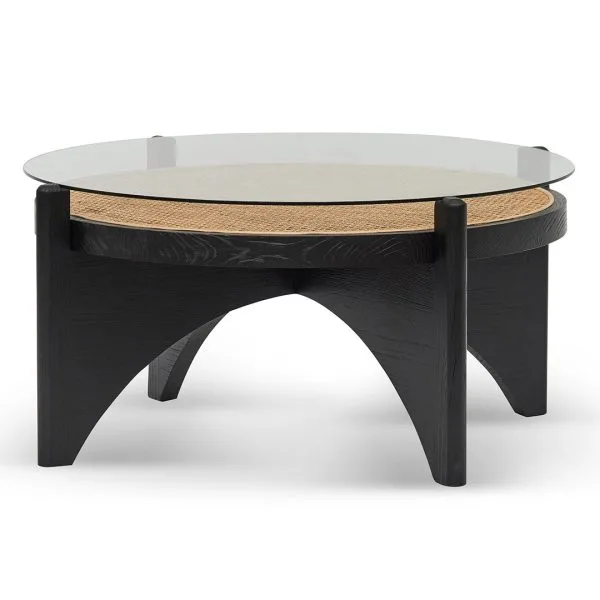
The lounge room is often the heart of a home, where people relax, entertain guests and spend quality time together. A well-chosen centrepiece can help bring the entire space together while adding functionality and visual balance. Selecting the right piece requires careful consideration of the room layout, existing furniture, personal style and everyday needs.
A centrepiece should not only enhance the appearance of the room but also serve a practical purpose. Whether you prefer a modern, minimal look or a warm and traditional atmosphere, the right choice can create a comfortable and inviting environment.
Understanding the Role of a Lounge Room Centrepiece
A centrepiece acts as a focal point that naturally draws attention when someone enters the room. It helps connect different furniture elements and creates a sense of harmony within the space. The right selection can make a room feel organised, balanced and thoughtfully designed.
Before choosing a centrepiece, consider how the room is used. A space designed for regular gatherings may require a functional option that provides enough surface area, while a quieter lounge area may benefit from a simpler design that complements the surroundings.
Consider the Size and Layout of Your Space
The size of the lounge room plays an important role in selecting suitable furniture. A large centrepiece in a small room can make the area feel crowded, while a smaller option may appear lost in a spacious setting.
Measure the available area carefully and consider the distance between seating arrangements. There should be enough space for comfortable movement around the furniture without creating obstacles. Maintaining proper proportions helps achieve a balanced and practical layout.
Selecting Materials That Match Your Interior Style
The material of a centrepiece can influence the overall appearance of the lounge room. Different materials create different impressions and can complement various interior themes.
A glass coffee table is a popular choice for spaces that require an open and airy feel. Its transparent surface can help create the illusion of more space while allowing surrounding furniture and décor to remain visually connected. Other materials may offer a more solid appearance and bring warmth or texture to the room.
When selecting materials, consider durability, maintenance requirements and how well the piece works with existing furniture. A suitable choice should fit naturally into the room rather than overpowering other design elements.
Think About Functionality and Daily Use
A centrepiece should support the way you use your lounge room. Consider whether you need space for books, decorative items, drinks or everyday essentials. Features such as storage sections or practical surfaces can improve convenience while keeping the area organised.
For households with frequent activity, easy-to-clean materials and sturdy construction may be important factors. A design that combines style and usability can provide long-term value while maintaining a neat appearance.
Creating Balance Through Shape and Design
The shape of a centrepiece can influence the flow and feel of the room. Rounded designs can soften spaces with many straight lines, while rectangular or square options may work well in structured layouts.
Think about the existing shapes within the room, including sofas, chairs and décor pieces. Choosing a design that complements these elements can create a more cohesive look. The goal is to achieve visual balance without making the centrepiece compete with other features.
Matching Colours and Textures
Colour selection is another important aspect when choosing a centrepiece. Neutral tones can blend easily with different interior styles, while stronger colours or unique finishes can create a standout feature.
Textures also contribute to the atmosphere of a room. Combining different surfaces, such as smooth finishes with soft fabrics or natural elements, can add depth and interest. A carefully selected piece can enhance the character of the lounge room without requiring major changes.
Adding Personal Style with Decorative Elements
A centrepiece provides an opportunity to express personal taste through carefully selected accessories. Decorative items such as books, plants, trays or artwork can add personality while keeping the space visually appealing.
However, avoiding excessive decoration is important. Too many items can make the area feel cluttered and reduce the impact of the main feature. A simple and organised arrangement often creates a more relaxing environment.
Making a Thoughtful Choice
Choosing the right centrepiece involves more than focusing on appearance alone. The best option should match the room’s size, support daily activities and complement the overall interior design.
By considering layout, materials, functionality and personal preferences, homeowners can create a lounge room that feels comfortable and well designed. A carefully chosen centrepiece can transform the space into a welcoming area where style and practicality work together. Learn More!