A comfortable vehicle interior depends on more than the visible flooring. The materials fitted beneath the surface can influence cushioning, durability, and the way unwanted noise travels through the cabin. Choosing the right Carpet Underlay helps create a supportive base for interior flooring while protecting the underlying surface from everyday wear. Proper installation is equally important because loose materials, uneven edges, and unsuitable fittings can affect performance. Understanding underlay materials, installation tools, and maintenance requirements helps vehicle owners make practical decisions for a cleaner, quieter, and more comfortable driving experience.
What Is Carpet Underlay?
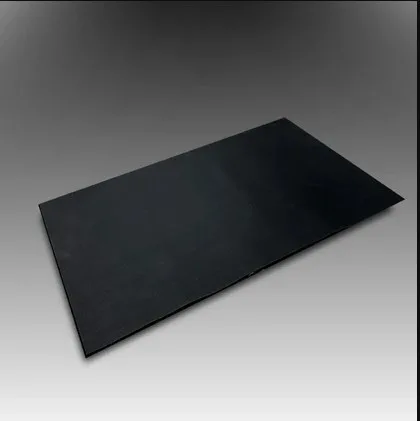
Carpet underlay is a supporting layer installed beneath a carpet or floor covering. In automotive applications, it may provide cushioning, help reduce certain sounds, and create a more even surface beneath the visible flooring.
The exact function depends on the material's composition, thickness, density, and intended application. Some underlay materials focus on comfort, while others are designed to support thermal insulation or acoustic performance.
Key Functions of Carpet Underlay
- Added cushioning: Provides a softer layer beneath the visible carpet.
- Noise management: Suitable materials can help absorb some sound energy and reduce certain unwanted cabin noises.
- Surface support: Helps create a more consistent base for the upper flooring material.
- Interior protection: Can help separate the visible carpet from the underlying surface.
- Improved flooring finish: A suitable underlay can support a neat and consistent appearance when installed correctly.
Not every underlay offers all these features. It is important to choose a product designed for the intended vehicle application rather than relying on general flooring specifications.
Types of Underlay Materials Used in Automotive Interiors
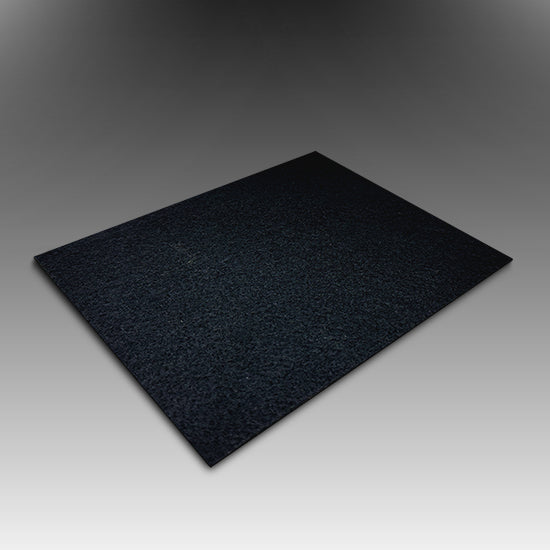
Different materials offer different combinations of cushioning, weight, moisture resistance, and acoustic performance. Understanding these differences helps narrow down suitable options.
1. Foam Underlay
Foam underlay is lightweight and can provide cushioning beneath selected floor coverings. Depending on its construction, it may also help absorb some sound energy.
Before choosing foam, check its resistance to compression, temperature changes, and moisture. The material should be suitable for the location where it will be installed.
2. Rubber-Based Underlay
Rubber-based materials may offer durability and resistance to repeated compression. Certain formulations are suitable for applications where vibration management is important.
However, their weight, flexibility, and compatibility with surrounding materials should be considered before installation.
3. Fibrous Underlay
Fibrous materials can help absorb sound and may be used in appropriate vehicle cavities or beneath interior trim. Their performance depends on fibre structure, density, thickness, and placement.
Moisture management is particularly important because trapped water can contribute to unpleasant odors or damage to the underlying surface.
4. Multi-Layer Acoustic Materials
Some automotive materials combine different layers to address more than one concern, such as vibration, airborne noise, or thermal transfer.
Their effectiveness depends on the design and the specific function of each layer. Always review the product's technical information before selecting it for a vehicle.
How to Choose the Right Carpet Underlay
Selecting suitable underlay requires attention to the vehicle's layout, the purpose of the material, and the conditions it will experience.
Factors to Consider
- Thickness: Ensure the material fits beneath the carpet without raising the floor excessively or interfering with interior components.
- Density: Check whether the material provides the required support and acoustic properties.
- Weight: Avoid unnecessary weight, especially when treating large floor areas.
- Moisture resistance: Choose a suitable option for areas that may experience condensation or water exposure.
- Temperature tolerance: Automotive interiors can experience significant temperature changes, so the material must be designed for those conditions.
- Compatibility: Confirm that the underlay works with the existing carpet, adhesives, and floor surfaces.
A material designed for household flooring may not be suitable for vehicle use. Automotive applications require particular attention to temperature, moisture, durability, and safety.
What Is the Paramat Crimping Tool?
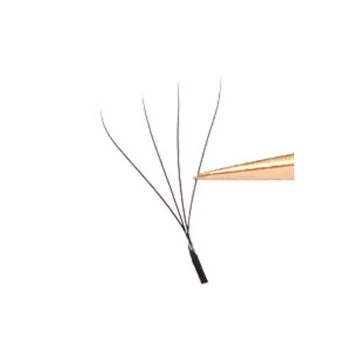
The Paramat Crimping Tool is a product name that suggests a tool associated with crimping applications. Crimping generally involves joining or securing compatible components by applying controlled pressure to form a mechanical connection.
However, the exact purpose, compatible materials, and specifications of this particular tool should be confirmed through its product documentation. It should not be assumed to be a carpet installation tool unless its manufacturer specifies that use.
Common Applications of Crimping Tools
Depending on their design, crimping tools may be used for tasks such as:
- Securing compatible electrical terminals to wires.
- Forming mechanical connections between suitable fittings.
- Creating consistent connections when the correct tool and components are used.
- Supporting repeatable assembly work in appropriate maintenance or installation settings.
Different crimping tools are designed for different terminals, connector sizes, and materials. A tool intended for electrical terminals, for example, should not be used for unrelated applications simply because it applies pressure.
How to Select a Suitable Crimping Tool
Before using any crimping tool, check the following:
- Compatibility: Confirm that the tool matches the connector or component.
- Tool specifications: Review the supported sizes and intended applications.
- Build quality: Look for a sturdy construction and a comfortable grip.
- Ease of operation: Choose a design that allows controlled, consistent pressure.
- Safety requirements: Follow the instructions and use suitable protective equipment where necessary.
For electrical work, connections should be made only with compatible terminals, wires, and tools. Disconnect power where appropriate and follow the vehicle's service guidance.
How Underlay Installation Affects Interior Comfort
Correct installation is essential for getting the expected performance from an underlay. Even a suitable material can cause problems if it is cut inaccurately, fitted over a damp surface, or placed too close to moving components.
Steps for Proper Installation
- Inspect the floor: Check for rust, moisture, damaged trim, and existing material that needs attention.
- Clean the surface: Remove dirt and allow the area to dry completely.
- Measure carefully: Use the vehicle's floor shape to determine the required dimensions.
- Cut accurately: Trim the material without leaving folded edges or excessive overlaps.
- Position securely: Follow the recommended fixing method and adhesive instructions.
- Refit the carpet: Make sure the visible flooring sits evenly over the supporting layer.
- Check safety: Confirm that pedals, seat adjustments, seatbelts, wiring, and drainage paths remain unobstructed.
For complex installations, professional assistance may help prevent damage to interior components.
Common Mistakes to Avoid
Several installation mistakes can reduce performance and create maintenance problems.
- Using unsuitable materials: Household products may not withstand automotive temperatures or moisture conditions.
- Ignoring trapped moisture: Installing underlay over a damp floor can lead to odors and corrosion.
- Adding excessive thickness: Thick materials may affect carpet fit and interfere with pedals or trim.
- Expecting complete soundproofing: Underlay may help with certain acoustic concerns, but it cannot eliminate every source of road, engine, or wind noise.
- Ignoring product instructions: Incorrect cutting, adhesives, or fixing methods can reduce durability.
- Using tools for unintended purposes: Every tool should be used only for its specified application.
A careful installation plan helps prevent unnecessary expenses and improves the likelihood of a reliable result.
Maintaining Automotive Underlay and Interior Flooring
Regular inspection helps keep the interior clean and identifies problems before they become more serious.
Simple Maintenance Practices
- Vacuum the visible carpet to remove dust and loose particles.
- Clean spills promptly and dry the affected area thoroughly.
- Inspect beneath removable flooring periodically for moisture.
- Check for compressed, torn, or displaced underlay.
- Look for loose edges that could interfere with pedals or moving parts.
- Replace damaged material when it can no longer provide a secure, suitable base.
Avoid soaking underlay during cleaning unless the material is designed for that method. Excess moisture can remain trapped beneath the visible carpet even when the upper surface appears dry.
Conclusion
Choosing suitable underlay and using the correct tools can support a cleaner, more comfortable, and better-maintained vehicle interior. The right Carpet Underlay can provide cushioning and help manage certain acoustic concerns, while a correctly specified crimping tool supports its intended assembly tasks. Product compatibility, careful installation, and regular inspection remain essential for safety and durability. With over 35 years of expertise in noise, vibration, and harshness solutions, Paramat brings established experience in automotive sound deadening materials, helping vehicle owners make informed choices for improved cabin comfort and interior care.