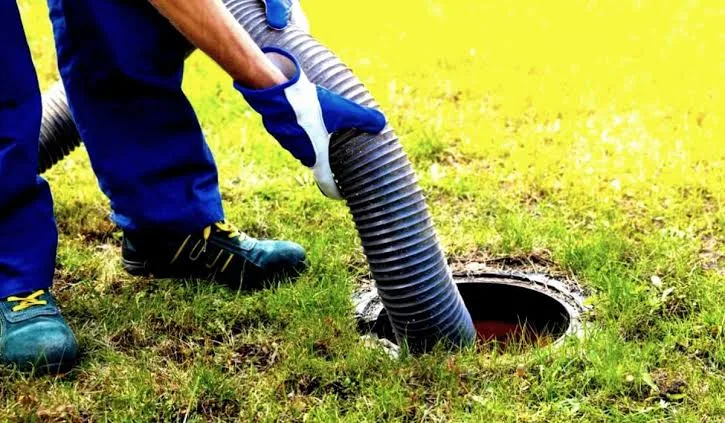
Regular septic tank pumping at Bloomingdale ensures that there is no overflow of solid wastes into the soil and thus prevents pollution of the groundwater due to septic systems. The homeowner will not experience expensive backups, drain field failures, contaminated well water, or even pollution of nearby streams through such a simple process.
Effects of Septic Tanks on the Groundwater
The septic tanks work underground silently and without causing much noise. There are many homes in Bloomingdale that use septic tanks for sewage disposal, particularly in old areas or places that have not been connected to the sewers.Bacteria break things down there. But solids build up. If you never pump them out, the tank fills past the safe level. Then the system pushes waste where it shouldn’t go. That waste can reach groundwater.
Why Is One Worried About Water Contamination?
Groundwater is the water found under the earth's surface, in soil and rocks. The groundwater is accessed via wells. The streams and lakes require it as well. In case there is an overflow in the septic tank or blockage in the drain field, raw sewage is leached into the ground. Pathogens, nitrates, and other contaminants will follow too. Once the contaminant reaches the water table, the matter gets hard and expensive to solve. Thus, timely pumping of the septic tank Bloomingdale residents does prevent such a scenario.

What Can Go Wrong in the Case of Overflowing Septic Tanks?
People usually wait until their toilets back up or they smell something unpleasant outside. By then, all the damage had been done. The solids overload the tank and cause the liquids to carry small particles and contaminate the drain field.This leads to pressure and search for an alternative way. The liquids will look for the way out and usually take the shortest way and end up polluting the water table. The timely pumping of septic tanks helps prevent that problem.
How Frequently Should People Pump Their Tanks?
How often should one pump his/her tank? The range in which the frequency usually falls is from three to five years. For a typical family of four and a standard-sized tank, five years could suffice. However, larger families, garbage disposals, or doing laundry more often require more frequent pumping, usually every three years. Also, it depends on the size of the tank itself and the caution of homeowners concerning what goes down the drain. In any case, not to wait longer than five years.
How to Check Your Septic Tank Before Pumping
You can try checking the sludge level yourself with a stick if you open the lid carefully. When solids take up more than about a third of the tank, it’s time. Most homeowners skip that mess. Calling a local crew for an inspection is cleaner. They measure the levels, look at the baffles, and tell you straight if the tank needs pumping now or can wait another season. That visit also catches small problems before they grow.
What Can Happen When Septic Maintenance Is Ignored?
Skip the schedule long enough and the costs jump. Sewage can back up into the basement or pool in the yard. The drain field clogs with solids that never belonged there. Replacing a failed drain field runs into thousands of dollars and weeks of digging. Groundwater contamination adds another layer. If neighbors’ wells test positive or the county steps in, the bills and headaches multiply. Steady septic tank pumping Bloomingdale families arrange costs far less than any of that.
How Weather and Soil Conditions Affect Septic Systems
Weather and soil around here play a part. Heavy rain raises the water table and puts extra pressure on a full tank. Backups become more likely. Dry stretches can hide slow leaks until the next storm hits. Paying attention to how drains behave after big rains gives an early warning. Still, the calendar matters more than the weather report. Pumping on time keeps the tank ready no matter what the sky does.
What Should You Keep Out of Your Septic Tank?
What goes into the tank changes how fast it fills. Grease, coffee grounds, wet wipes, and feminine products all add solids. Even the ones labeled flushable usually aren’t. A garbage disposal dumps extra food waste that settles as sludge. Keep those out and you stretch the time between pump-outs. The tank lasts longer and the risk to groundwater stays lower.
Why Preventive Septic Tank Pumping Matters
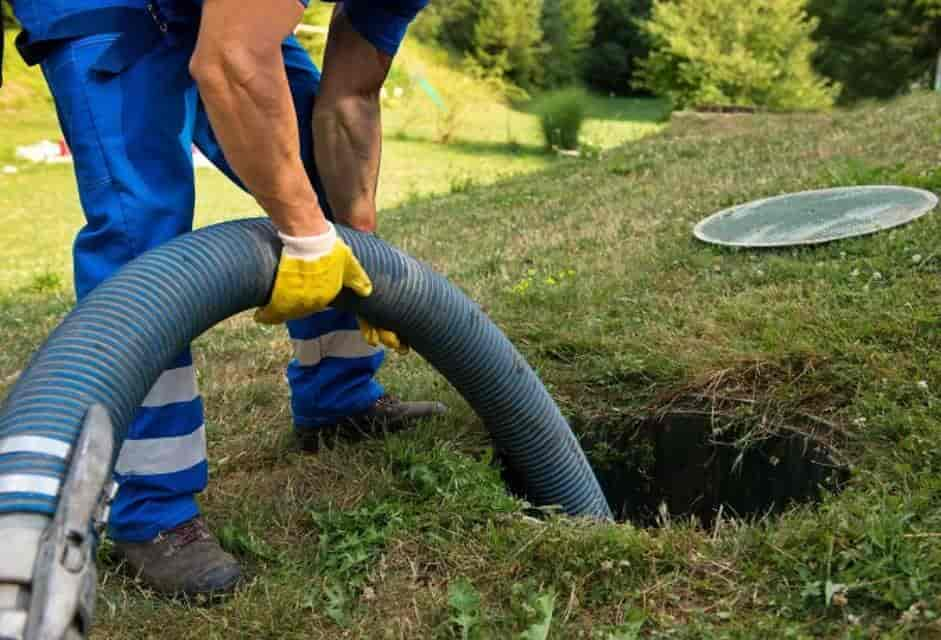
Preventive pumping beats waiting for the smell or the slow drain. Mark the calendar every three to four years and stick to it. If you just bought a place in Bloomingdale and don’t know the history, get an inspection right away. Previous owners might have put it off. One early pumping can reset the clock and protect the system you just paid for.
How Local Septic Professionals Can Help
Local septic pros know the common tank sizes and soil types in this area. They can look at your setup, count the bedrooms, and give a schedule that fits instead of some generic online chart. Ask them about the effluent filter too if your tank has one. That filter needs cleaning more often than a full pump-out. Keeping it clear protects the drain field and keeps solids from heading toward the groundwater.
Why Regular Pumping Is Better Than Emergency Repairs
In the end, the goal is simple. Keep solids from filling the tank so liquids leave clean and the drain field stays open. Regular septic tank pumping does that job. It stops the overflow that carries contaminants downward. Waiting until something backs up costs more money and creates more stress than staying on a steady schedule.
Conclusion
A septic system in Bloomingdale works smoothly if you consider its maintenance as a task rather than an emergency operation. You should pump your septic tank once every three to five years to keep the solids level down and avoid contaminating the underground water supply, which serves as a source of water for wells and creeks. Set the appointment with a local crew and stay ahead of it. If something does go wrong later, septic system repair stays simpler and cheaper when the tank has been pumped on time.