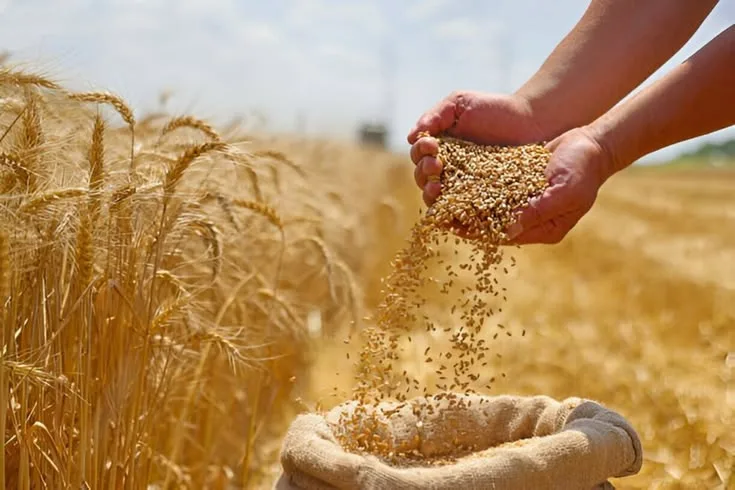
Wheat is one of India’s most important cereal crops, providing food security and income for millions of farmers. However, weeds remain one of the biggest challenges in wheat cultivation. They compete with the crop for nutrients, water, sunlight, and space, significantly reducing yield and grain quality.
Choosing the best herbicide for wheat is essential for maintaining a healthy crop and maximising productivity. With the right herbicide applied at the correct stage, farmers can effectively control weeds and ensure stronger crop growth throughout the season.
At Shriram Farm Solutions, we provide innovative crop protection solutions that help farmers manage weeds efficiently while improving overall farm profitability.
Why Weed Control Is Important in Wheat Farming
Unchecked weeds can reduce wheat yields by 15% to 50%, depending on weed infestation and crop management practices.
Common problems caused by weeds include:
- Competition for water and nutrients
- Reduced sunlight availability
- Lower grain quality
- Increased harvesting difficulties
- Higher production costs
- Reduced overall profitability
Effective weed management helps wheat plants grow vigorously and produce better yields.
Common Weeds Found in Wheat Fields
Successful weed control starts with identifying the type of weeds present.
Grassy Weeds
These weeds closely resemble wheat plants, making them difficult to identify during early growth stages.
Examples include:
- Phalaris minor (Little Seed Canary Grass)
- Wild oat (Avena ludoviciana)
Broadleaf Weeds
Broadleaf weeds have wider leaves and compete aggressively with wheat.
Common examples include:
- Chenopodium album (Bathua)
- Melilotus species
- Rumex species
- Fumaria parviflora
Many wheat fields experience both grassy and broadleaf weeds simultaneously, requiring a herbicide with broad-spectrum weed control.
Characteristics of the Best Herbicide for Wheat
When selecting a herbicide, farmers should look for products that provide:
Broad-Spectrum Weed Control
An ideal herbicide should effectively control both grassy and broadleaf weeds.
Selective Weed Management
The herbicide should eliminate weeds without harming the wheat crop.
Easy Application
Products with flexible application timing simplify field operations and reduce labor.
Long-Lasting Protection
Good herbicides continue suppressing weed growth even after application.
High Crop Safety
The product should support healthy crop development while minimising crop stress.
Pre-Emergence vs. Post-Emergence Herbicides
Pre-Emergence Herbicides
Applied immediately after sowing and before weed emergence.
Benefits include:
- Prevent weed germination
- Reduce early competition
- Improve crop establishment
Post-Emergence Herbicides
Applied after weeds have emerged.
Advantages include:
- Target actively growing weeds
- Flexible application timing
- Effective against established weed populations
Many farmers prefer post-emergence herbicides because they can identify the weed infestation before spraying.
Choosing the Right Herbicide for Your Wheat Field
Several factors influence herbicide selection.
Weed Species
Different herbicides target different weeds. Proper weed identification is essential.
Crop Stage
Always apply herbicides during the recommended wheat growth stage.
Weather Conditions
Avoid spraying before rainfall or during strong winds to maximize herbicide effectiveness.
Herbicide Rotation
Using herbicides with different modes of action helps reduce the risk of herbicide resistance.
Best Practices for Herbicide Application
Proper application ensures maximum weed control.
Follow these recommendations:
- Read and follow label instructions carefully.
- Spray during calm weather.
- Use clean water for mixing.
- Maintain recommended spray volume.
- Calibrate spraying equipment regularly.
- Avoid overlapping spray patterns.
- Wear recommended protective equipment.
Correct application not only improves weed control but also protects the environment.
Integrated Weed Management for Wheat
Herbicides perform best when combined with other weed management practices.
Integrated Weed Management (IWM) includes:
- Timely sowing
- Certified seed use
- Crop rotation
- Balanced fertilization
- Proper irrigation management
- Field sanitation
- Mechanical weed removal when necessary
Combining these methods reduces weed pressure over time and improves long-term farm sustainability.
Why Farmers Trust Shriram Farm Solutions
At Shriram Farm Solutions, we understand the challenges wheat growers face every season. Our scientifically developed crop protection solutions are designed to provide reliable weed control while supporting healthy crop growth.
We offer:
- Advanced herbicide solutions
- Quality-assured crop protection products
- Expert agronomic guidance
- Innovative farming technologies
- Solutions tailored for Indian farming conditions
Our commitment is to help farmers achieve healthier crops, higher productivity, and improved profitability.
Tips to Maximize Herbicide Performance
For the best results:
- Identify weeds before spraying.
- Apply herbicides at the recommended growth stage.
- Avoid delayed applications.
- Use the correct dosage.
- Ensure uniform spray coverage.
- Rotate herbicides with different modes of action.
- Monitor fields regularly after application.
These practices improve weed control and reduce the chance of resistant weed populations developing.
Conclusion
Selecting the best herbicide for wheat is one of the most important decisions for successful wheat cultivation. Effective weed management protects crop health, improves nutrient availability, enhances grain quality, and increases overall yield.
By choosing reliable herbicide solutions and following proper application practices, farmers can reduce weed competition and achieve better returns from every acre.
Shriram Farm Solutions is committed to empowering farmers with trusted crop protection solutions that support sustainable and productive wheat farming across India.
Frequently Asked Questions (FAQs)
Which is the best herbicide for wheat?
The best herbicide depends on the weed species, crop stage, and field conditions. Choose a selective herbicide that effectively controls the target weeds while ensuring crop safety.
When should herbicides be applied in wheat?
Herbicides may be applied as pre-emergence or post-emergence treatments, depending on the product and the type of weeds present. Always follow the product label recommendations.
Can one herbicide control both grassy and broadleaf weeds?
Some broad-spectrum herbicides are designed to control both grassy and broadleaf weeds. Select the appropriate product based on the weed spectrum in your field.
How can farmers prevent herbicide resistance?
Rotate herbicides with different modes of action, follow recommended dosages, and integrate cultural and mechanical weed management practices.
Why is weed management important in wheat?
Weed management reduces competition for nutrients, water, and sunlight, leading to healthier crops, improved grain quality, and higher yields.