
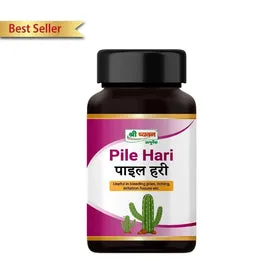
Piles can make an ordinary day surprisingly uncomfortable. A little itching can turn into constant irritation, sitting can feel awkward, and even going to the bathroom may become something you start dreading. If you are searching for an ayurvedic cream for piles, Shri Chyawan Ayurved offers Ayurvedic options for people who prefer herbal approaches to piles care. Still, it helps to understand what is causing the discomfort before reaching for any cream.
Why Do Piles Cause Itching and Irritation?
Piles, also called hemorrhoids, are swollen veins around the anus or inside the lower rectum. External piles can cause itching, soreness, tenderness, and lumps around the anal area. Internal piles may cause bleeding, particularly during bowel movements.
The itching itself can be irritating enough. You may feel the urge to scratch, especially after sweating, sitting for several hours, or using the toilet. But repeated rubbing or aggressive cleaning can make already-sensitive skin feel worse.
Constipation and straining are common contributors too. Spending a long time sitting on the toilet doesn't help either. Sometimes the problem starts with something as ordinary as a hard bowel movement and slowly becomes a cycle of irritation.
Can Ayurvedic Cream for Piles Help With Itching?
An ayurvedic cream for piles is generally used as an external product to soothe the skin around the affected area. People commonly look for such creams for piles itching, burning, soreness, and general discomfort.
The main attraction is fairly simple. You apply a topical product rather than taking something orally, so it can be part of a symptom-relief routine focused on the irritated skin.
Still, a cream should not be treated as a guaranteed cure for hemorrhoids. The right treatment depends on the type and severity of your piles and what is causing them in the first place.
For mild symptoms, general piles care may include topical creams or ointments for temporary relief, along with changes that make bowel movements easier.
What Should You Look for in a Piles Cream?
If you are comparing an Ayurvedic cream for piles or an ayurvedic ointment for piles, look at the product label rather than choosing only because a product sounds natural.
Check the listed ingredients, directions for use, warnings, and whether the product is intended for external application. Avoid applying products inside the anus unless the label specifically says they are suitable for that use.
It is also worth paying attention to how your skin reacts. The area around the anus can be quite sensitive. If a cream causes increased burning, rash, swelling, or irritation, stop using it and speak with a healthcare professional.
Natural ingredients can still cause irritation or allergies. “Herbal” does not automatically mean that every product will suit every person.
Ayurvedic Cream for Piles and Daily Piles Care
A cream is only one small part of managing piles. Your everyday bathroom habits matter a lot more than people sometimes realise.
Start with bowel movements. Try not to strain or sit on the toilet for longer than necessary. Eating enough fibre and drinking adequate fluids can help keep stools softer and easier to pass.
Gentle hygiene also matters. Clean the area carefully and pat it dry rather than rubbing. A warm bath may also help ease itching and discomfort for some people.
And if constipation is part of the problem, treating only the itching while ignoring constipation is unlikely to solve much. The hard stool and straining can keep irritating the area again and again.
Small changes can make a surprisingly noticeable difference.
What About Burning and Discomfort?
Piles can feel different from person to person. Some people mainly notice itching. Others describe a burning sensation, tenderness, swelling, or pain while sitting.
An ayurvedic cream for piles pain and itching may be considered when the discomfort is mainly external and mild. A topical product can provide soothing support, but persistent pain needs more attention.
Severe pain, significant bleeding, fever, pus, or symptoms that keep getting worse should not be brushed aside as “just piles.” Rectal bleeding can have causes other than hemorrhoids, so getting the problem checked is sensible.
How to Use Piles Cream Carefully
Before applying an ayurvedic piles cream, wash your hands and gently clean the affected area. Pat the skin dry. Apply the product only as directed on its packaging or by your healthcare professional.
Do not use more cream than recommended simply because the itching is annoying. More is not always better, particularly on sensitive skin.
If you have never been diagnosed with piles and are experiencing bleeding, persistent pain, or a new lump, consider getting medical advice before self-treating. Some conditions can feel similar to hemorrhoids.
Can Diet Help Reduce Piles Discomfort?
Yes, your diet can play a useful role, particularly if constipation is involved.
Fibre-rich foods such as fruits, vegetables, whole grains, pulses, and other high-fibre choices can help make stools easier to pass. Drinking enough water also supports normal bowel movements.
You don't necessarily need to completely change your diet overnight. Add fibre gradually and notice how your body responds.
Also, don't ignore the urge to use the toilet. Waiting for hours can make bowel movements harder later.
When Should You See a Doctor?
A little itching may settle with basic care, but ongoing symptoms deserve attention.
Speak with a doctor if your symptoms do not improve, keep returning, or become more painful. Medical advice is particularly important if you notice rectal bleeding.
Heavy or continuous bleeding, large blood clots, severe pain, or feeling very unwell requires urgent medical attention.
There is no need to feel embarrassed about asking. Piles are common, and doctors deal with these complaints regularly.
A More Comfortable Approach to Piles Care
Itching and irritation can make piles feel much worse than they look. An ayurvedic cream for piles may offer soothing support for external discomfort, but it works best as part of sensible piles care rather than as the only solution.
Pay attention to constipation, avoid straining, keep the area gently clean and dry, eat enough fibre, and stay hydrated. If symptoms persist or you notice bleeding or severe pain, get professional advice.
And honestly, don't wait until the discomfort is controlling your routine. A small problem is usually easier to deal with before it becomes a bigger one.