
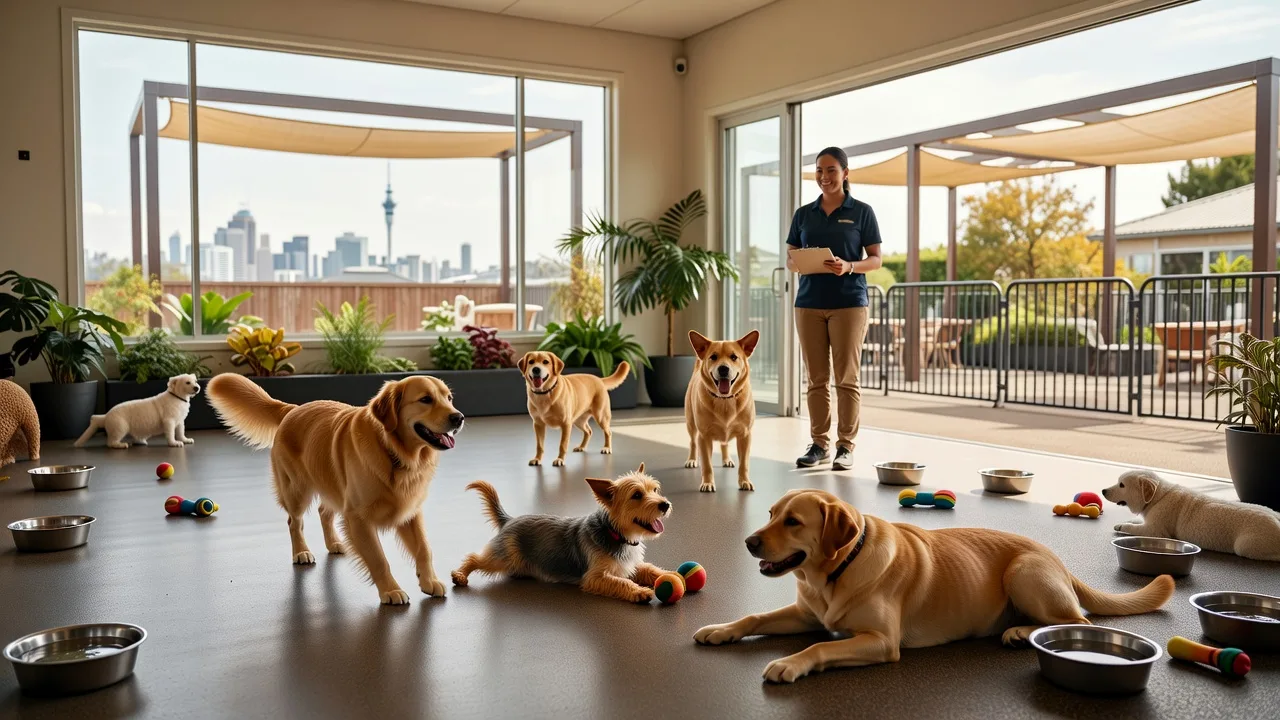
Your dog needs more than just a backyard and a food bowl. If you're like most Auckland pet parents, you've probably noticed your furry friend getting restless, destructive, or simply bored when left alone all day. That's where Auckland Doggy Daycare comes in-and finding the right one can transform your dog's quality of life while giving you peace of mind.
Whether you're heading to work, running errands, or just need a few hours to yourself, quality dog daycare isn't a luxury anymore. It's become an essential part of modern pet ownership, especially in a city like Auckland where many of us spend long hours away from home.
This guide cuts through the noise and gives you the real information you need to make the best choice for your dog. From what separates great facilities from mediocre ones, to pricing, safety considerations, and red flags to watch out for, I've packed this with insights from years of observing the dog care industry in New Zealand.
Why Auckland Doggy Daycare Matters More Than Ever
Let's be honest-dogs weren't built for solo confinement. They're pack animals, hardwired for social interaction, mental stimulation, and physical activity. When you leave a dog alone for eight or nine hours, you're not just depriving them of company. You're setting the stage for anxiety, behavioral issues, and health problems.
A well-run Auckland Doggy Daycare gives your dog something your living room probably can't: structured play, constant companionship, and the kind of mental workout that tires them out properly. I've seen dogs transform after just a few weeks of regular daycare attendance. The anxious rescue who barked at every sound? She's now confident and relaxed. The high-energy border collie who destroyed three couches? He's too busy chasing balls and making friends to even think about chewing.
Beyond your dog's wellbeing, quality daycare actually strengthens the bond between you and your pet. Tired dogs are happy dogs, and happy dogs make for happier households.
What Quality Doggy Daycare Actually Looks Like
Not all doggy daycare facilities are created equal. Walking into a place and seeing a bunch of dogs in a room doesn't mean you're getting good care. Here's what separates the exceptional facilities from the ones that should be avoided.
Staff-to-Dog Ratios and Training
One of the first things I check is how many dogs each staff member is responsible for. Industry experts generally recommend a ratio of no more than 10-15 dogs per trained supervisor during playtime. Some premium facilities keep it even lower, especially for larger or more energetic groups.
But it's not just about numbers. The staff need proper training in canine body language, conflict de-escalation, and recognizing signs of stress or illness. Can anyone throw a ball around-knowing when to intervene in a play session, how to read a dog's signals, and understanding when play has crossed into aggression? That takes training and experience.
Facilities like K9 Heaven in Auckland pride themselves on having staff with real hands-on experience, not just certification paperwork. Ask about their training programs. If they can't explain their staff development process clearly, that's a warning sign.
Space, Design, and Safety Features
Good daycare spaces aren't just big rooms with hard floors. They need proper zoning-quiet areas for dogs who want to rest, active zones for play, and separate spaces for smaller or more timid dogs who might get overwhelmed by larger, boisterous pups.
Outdoor access is valuable but needs to be secure. I'm talking about proper fencing (at least six feet tall), shaded areas for New Zealand's hot summer days, and surfaces that won't burn paw pads when the sun's blazing. Indoor areas should have proper drainage, non-toxic cleaning protocols, and enough space for dogs to move comfortably without tripping over each other.
Water availability is non-negotiable. Dogs playing hard get dehydrated quickly, especially during Auckland's warmer months. Quality facilities provide multiple water stations and actively encourage drinking.
Health and Vaccination Requirements
This should go without saying, but I'll say it anyway: reputable Auckland Doggy Daycare facilities require proof of current vaccinations. At minimum, that means distemper, parvovirus, and rabies shots. Bordetella (kennel cough) vaccination is also standard, given how quickly respiratory illnesses spread in group settings.
Ask about their policies for sick dogs. A good facility will turn away dogs showing symptoms of illness and has clear protocols for isolating dogs if symptoms develop during the day. If a place lets any dog walk in without checking health records, walk away.
Parasite control is another consideration. Many facilities require proof of regular flea and worming treatments. This protects all the dogs in their care.
The Real Costs of Auckland Doggy Daycare
Budget is always a factor, so let's talk numbers honestly. In Auckland, you can expect to pay somewhere between $35 and $65 per day for quality doggy daycare, with prices varying based on location, facility amenities, and the size of your dog.
Some facilities offer discounts for multi-day bookings or regular weekly attendance. If you're planning to use daycare frequently, it definitely pays to ask about packages. K9 Heaven, for example, offers various membership options that bring the daily rate down significantly for committed clients.
Half-day options are sometimes available, usually ranging from $25 to $40. These can work well if you only need coverage for a few hours, though many dogs actually do better with a full day where they have time to properly settle in and get into the play rhythm.
Factor in that the cheapest option isn't always the best value. A $25 per day facility that lets dogs run wild without proper supervision might cost you more in the long run if your dog gets injured, develops behavioral problems, or picks up an illness.
Finding the Right Fit: Breed, Temperament, and Your Dog's Needs
Every dog is different. A golden retriever who lives for playdates might thrive in a high-energy facility, while a senior Shih Tzu would be completely overwhelmed by the same environment. Here's how to match your dog with the right space.
High-Energy Breeds
Working breeds like border collies, Australian shepherds, and pointers need serious mental and physical stimulation. They do best in facilities with large outdoor spaces, agility equipment, and staff who understand how to challenge these intelligent dogs. Without proper outlets, these breeds often develop neurotic behaviors-excessive barking, spinning, or even aggression.
Look for daycare programs that include structured activities, not just free play. Some facilities offer scent work, trick training, or supervised agility sessions that give these dogs the job-like structure they crave.
Small Dogs and Seniors
Tiny dogs and older pets often feel threatened in rowdy, large-dog environments. Many quality Auckland Doggy Daycare facilities have separate play areas or sessions specifically for smaller breeds and senior dogs. These spaces typically have lower energy levels, more rest time built in, and staff who understand the specific needs of these groups.
If your senior dog has mobility issues, ask about flooring. Hard surfaces can be tough on aging joints, while rubber matting or padded flooring makes a real difference.
Shy or Reactive Dogs
Not every dog is a natural social butterfly, and that's okay. Some dogs do better in smaller groups or one-on-one supervision. Quality facilities should be willing to assess your dog before acceptance and may offer a gradual introduction process.
Be honest about your dog's history and any triggers they might have. A good facility will work with you to create a positive experience rather than throwing your dog into the deep end and hoping for the best.
What to Expect on Your First Visit
Before committing to any Auckland Doggy Daycare facility, you should visit in person-preferably during operating hours so you can see the space in action. Here's what to pay attention to.
The Facility Tour
Watch how the dogs are interacting. Are the staff actively supervising, or are they clustered together chatting while dogs run wild? You want to see active engagement-staff moving through the play areas, redirecting behavior, and actively managing the group dynamics.
Notice the energy in the room. Good daycare has a controlled chaos vibe-not total mayhem, but active, engaged play. Dogs should be having fun, not stressed or fearful.
Check the cleanliness immediately. Does it smell fresh? Are there cleaning supplies visible? Is there a dedicated area for feeding, separate from play spaces? Clean facilities reduce disease transmission and also indicate overall operational standards.
Questions to Ask
Don't be shy about asking questions. Any reputable operator will be happy to address your concerns. Some important ones:
- What's your emergency protocol if a dog gets injured or seriously ill?
- How do you handle conflicts between dogs?
- What's your policy if my dog doesn't seem to be settling in well?
- Can you describe a typical day's schedule?
- What happens if I need to pick up my dog early?
Trial Days
Many facilities offer a trial day or half-day before committing to a regular schedule. Take advantage of this. It gives your dog a chance to experience the environment and lets you see how they respond. Watch for signs of stress during pickup-excessive panting, lip licking, avoiding eye contact can indicate your dog didn't have a great time.
Common Mistakes to Avoid
After years of watching pet parents navigate the doggy daycare world, I've seen the same mistakes repeated over and over. Here's how to avoid them.
Choosing Based on Price Alone
That rock-bottom rate might seem like a bargain, but it often reflects corners being cut. Maybe they're understaffed. Maybe they're packing too many dogs into a small space. Maybe they're skipping important cleaning protocols. The occasional cheap daycare might be fine, but the consistent cheap option usually means your dog is getting less attention and care than they deserve.
Not Updating Vaccination Records
This one catches people out more often than you'd think. Vaccinations expire, and some pet parents forget to keep their dog's shots current. Before starting at any Auckland Doggy Daycare, make sure you have all documentation ready and check expiration dates.
Ignoring Stress Signals
Dogs communicate through body language, not words. If your dog comes home excessively tired, seems withdrawn, or shows signs of physical stress like hot spots or limping, something might have gone wrong during their day. Don't dismiss these signs as normal tiredness. Talk to the facility and consider whether the environment is actually right for your dog.
Skipping the Introduction
Some pet parents drop their dog off for the first time without any prior visits or introductions. This is a recipe for anxiety-for your dog and for you. A proper introduction, even just a brief visit where your dog can explore and meet the staff, makes a huge difference in how well they adjust.
A Day in Quality Doggy Daycare: What Actually Happens
Understanding the daily rhythm at a good Auckland Doggy Daycare helps set expectations for both you and your dog. Here's what a well-structured day typically looks like.
Morning arrival usually involves a quick health check-looking at eyes, energy levels, and general demeanor. Some facilities have dogs wait in a holding area briefly before being released into play groups.
The morning typically involves active play, often split into smaller groups based on size, temperament, and play style. Staff rotate between supervising play and providing individual attention.
Midday usually brings rest time. Dogs aren't machines-even the most energetic breeds need downtime. Quality facilities enforce rest periods, often in quiet, low-stimulation areas. This isn't naptime because the staff are lazy; it's intentional and important for preventing overstimulation and exhaustion.
Afternoon sessions often include different activities-training exercises, puzzle games, or alternative play opportunities. The goal is to provide variety and continue mental stimulation.
Pickup time should involve a brief handoff conversation. Staff should be able to tell you about your dog's day-their energy levels, who they played with, any issues or highlights. If your dog had a particularly good day or needed extra support, you should know.
Making the Most of Doggy Daycare
Once you've found a quality Auckland Doggy Daycare facility, these tips help maximize the benefits for your dog.
Consistent Schedule
Dogs thrive on routine. If possible, keep your daycare days consistent. A dog who attends every Monday, Wednesday, and Friday starts to expect and anticipate those days positively.
Communication is Key
Keep the facility updated on any changes at home that might affect your dog's behavior. A new baby, a house move, a recent illness-these things can impact how your dog acts during daycare. Staff who understand the full picture can better support your pet.
Don't Skip the Early Pickup
While it's tempting to maximize your daycare hours, sometimes your dog has had enough. Watch for signs of fatigue or overstimulation, and don't be afraid to pick up early if needed. Quality care means knowing when enough is enough.
Pack Appropriately
Some dogs do better with familiar items from home-a favorite toy or blanket can provide comfort. Check with your facility about what's appropriate to bring. Some dogs do better without toys that might trigger resource guarding.
The Long-Term Benefits: Why This Investment Pays Off
Thinking beyond the immediate convenience, quality Auckland Doggy Daycare delivers real long-term value for both dogs and their families.
Socially, dogs who regularly interact with other dogs develop better manners and communication skills. They learn bite inhibition, play etiquette, and how to read social cues. These skills translate into better behavior during walks, at the vet, and in any social situation.
Physically, regular activity at daycare helps maintain healthy weight and muscle tone. It provides an outlet for energy that might otherwise manifest as destructive behavior at home.
Emotionally, many anxious dogs improve significantly with regular daycare attendance. The structured social environment builds confidence and provides mental stimulation that reduces anxiety-driven behaviors.
For families, knowing your dog is happy and safe during work hours reduces guilt and stress. Many pet parents find their relationship with their dog actually improves when the dog has appropriate outlets for energy and social needs.
Frequently Asked Questions
What age should my dog be to start Auckland Doggy Daycare?
Most facilities accept dogs from about four to six months of age, once they've received their initial vaccination series. Some places are more flexible and accept puppies once they've had their second set of shots. Ask your veterinarian and the specific facility about their age requirements and vaccination protocols.
How often should my dog attend doggy daycare?
This entirely depends on your dog's needs and your schedule. Some dogs attend daily, others just a few times per week. Starting with two to three days per week gives you a good baseline to assess how your dog responds and adjust from there.
What if my dog doesn't like other dogs?
Not every dog is social, and that's perfectly fine. Some facilities offer individual play sessions or small group care for dogs who don't do well in larger groups. Be honest with the facility about your dog's temperament so they can suggest appropriate options.
Should I feed my dog before or after daycare?
This varies by facility and by dog. Many dogs do better with a light meal before daycare to prevent nausea from excitement, while others might eat a bigger meal when they get home. Ask your facility about their feeding policies and experiment to see what works best for your dog.
What happens if there's an emergency?
Quality facilities have clear emergency protocols. They should have relationships with nearby veterinary clinics, staff trained in basic first aid, and a plan for contacting you immediately if your dog is injured or ill. Ask to see their emergency procedures before enrolling.
Can I tour the facility before committing?
Absolutely-you should insist on it. Any reputable Auckland Doggy Daycare facility will welcome visits and encourage you to see their operation. Be suspicious of any place that won't let you tour or only offers limited viewing areas.
How do I know if my dog is happy at daycare?
Watch for positive indicators: excitement when you pull up to the facility, wagging tails and happy body language during drop-off, and relaxed, satisfied energy when you pick them up. Quality facilities will also share updates about your dog's day and behavior.
What should I do if my dog seems stressed after daycare?
Some adjustment period is normal, especially in the first few weeks. If stress signs persist-excessive panting, hiding, changes in appetite, or aggression-talk to the facility about what you observed. You might need to adjust the schedule, try a different play group, or explore alternative care options.
Conclusion: Your Dog Deserves Better Than Solitary Confinement
Finding the right Auckland Doggy Daycare takes some research and legwork, but the payoff-for your dog's happiness, health, and behavior-is absolutely worth it. Don't settle for the closest or cheapest option. Visit multiple facilities, ask tough questions, and trust your instincts.
Your dog is part of your family. They deserve care that meets their physical, emotional, and social needs. Whether you choose a facility like K9 Heaven or another reputable Auckland provider, what matters most is finding a place where your dog actually thrives-not just survives-during the hours you're apart.
Take action this week. Make some calls, schedule some tours, and give your dog the active, social life they were meant to have. You'll both be happier for it.