Unlocking the Power of Architecture in Real Estate Today
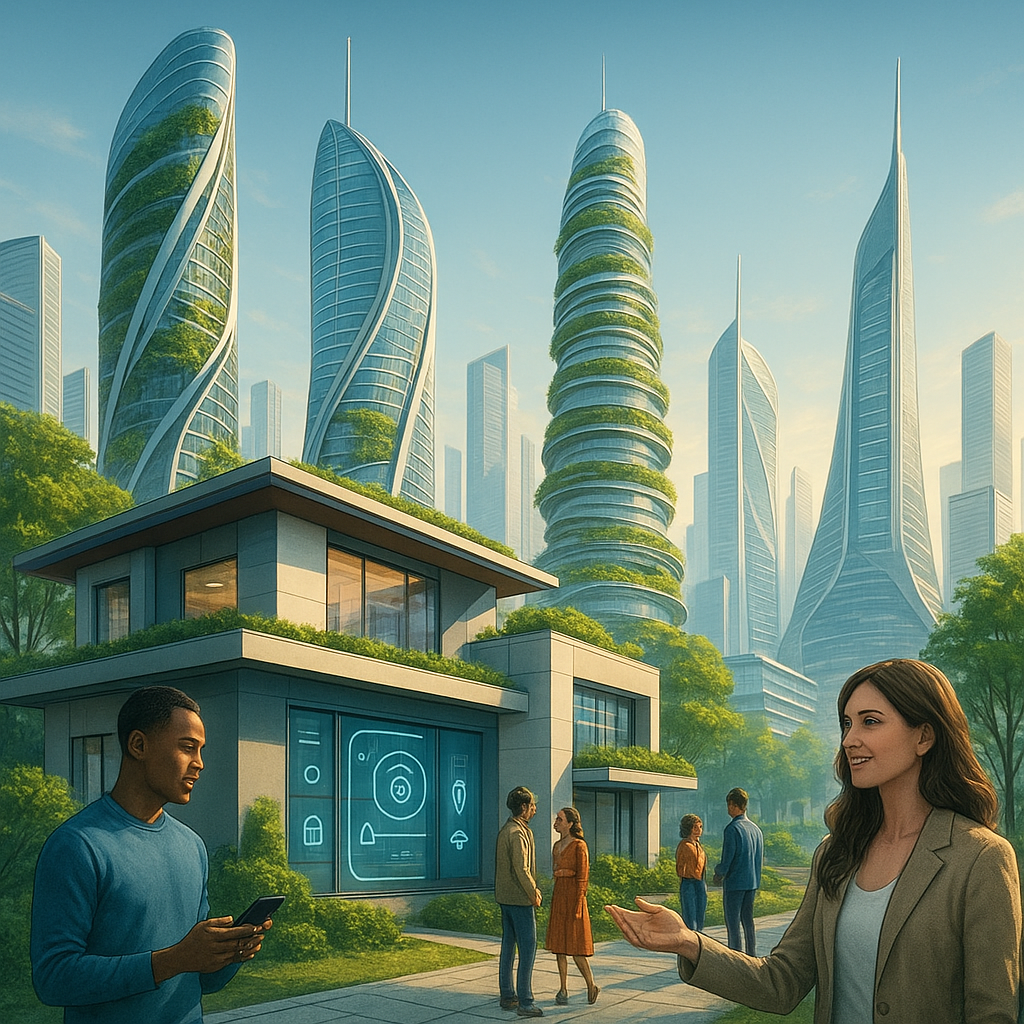
Picture a skyline not just marked by towering glass facades but shaped by resilient, adaptive structures that respond to climate, social needs, and technological advances simultaneously. In 2026, architecture is no longer merely about aesthetics or shelter; it has become a pivotal force driving real estate value, urban sustainability, and community well-being. As cities grapple with demographic shifts, climate imperatives, and evolving work patterns, architecture acts as both a mirror and a mold for modern real estate dynamics.
Recent data from the International Real Estate Federation (FIABCI) indicates that properties designed with sustainable and smart architectural features command up to 18% higher market value and see 25% faster sales cycles. This uptick is driven by a new breed of investors and occupants prioritizing environmental impact, energy efficiency, and flexible living spaces. A defining example is the rise of biophilic design in mixed-use developments, blending nature and urban life seamlessly.
“Architecture today transcends mere construction; it integrates technology, sustainability, and human-centric design to create lasting value in real estate.” – Dr. Lena Morales, Urban Studies Expert
These trends compel industry stakeholders to rethink traditional approaches. The symbiotic relationship between architecture and real estate now governs investment strategies, regulatory frameworks, and community planning. This article explores the trajectory of architectural innovation, its impact on real estate markets, and what investors, developers, and policymakers can anticipate.
Historical Context: From Monumental to Multifunctional
The evolution of architecture in real estate reflects broader socio-economic transformations. Post-World War II reconstruction ushered in functionalist architecture, emphasizing mass housing and office blocks to meet urgent demand. However, these structures often prioritized cost-efficiency over sustainability or community integration.
The late 20th century saw a surge in iconic architectural statements—think Gehry’s Guggenheim Bilbao or Foster’s HSBC headquarters—where buildings became symbols of corporate identity and urban regeneration. Yet, these often disconnected from environmental concerns and long-term adaptability.
Entering the 21st century, climate change, urbanization, and the digital revolution pressured architects and developers alike. The 2010s introduced green building certifications like LEED, and the 2020s accelerated adoption of smart technologies and modular construction. This shift redefined architecture’s role from static form to dynamic ecosystem participant.
For instance, in cities like Singapore and Copenhagen, architecture began to integrate urban farming, energy harvesting, and flood mitigation directly into building design. These innovations responded to pressing climate vulnerabilities while enhancing real estate desirability through health and lifestyle benefits.
“Understanding architecture’s history is essential to grasp how it now shapes real estate’s future, blending function, form, and sustainability.” – Prof. Marcus Delaney, Architecture Historian
Data-Driven Insights: Measuring Architecture’s Market Impact
Quantifying architecture’s influence on real estate performance requires dissecting multiple variables—sale prices, occupancy rates, energy costs, and community engagement metrics. According to a 2025 Global Real Estate Sustainability Report, sustainable architectural designs lead to:
- 20-30% reduction in energy consumption compared to conventional buildings
- 15-25% higher rental yields in urban commercial properties
- 40% greater tenant retention due to enhanced indoor environmental quality
- Significant premiums for properties with adaptive reuse and heritage conservation elements
Comparative studies between smart buildings equipped with IoT-driven climate controls versus traditional offices reveal average operational cost savings of 22%. This efficiency not only appeals to tenants but also attracts institutional investors focused on Environmental, Social, and Governance (ESG) criteria.
The residential sector is also witnessing architectural influences reshape buyer preferences. Flexible layouts, integrated home offices, and community-centric amenities—rooted in architectural planning—have become decisive factors. Data from the National Association of Realtors shows properties with such design features sell approximately 18% faster and command price premiums of 12% compared to standard homes.
Moreover, architecture’s role in urban regeneration projects has catalyzed neighborhood revitalization. For example, the transformation of former industrial zones into mixed-use developments in cities like Detroit and Berlin involved architectural approaches that preserved cultural heritage while embedding modern sustainability technologies, resulting in a 35% uplift in property values over five years.
Architectural Innovations Driving 2026’s Real Estate Market
The current year has marked a significant turning point in how architecture influences real estate. Several key developments have emerged:
- Carbon-Negative Building Materials: Advances in bioengineered concrete and timber composites now enable entire developments to achieve net-negative carbon footprints, aligning with global climate targets.
- AI-Integrated Design Tools: Artificial intelligence is revolutionizing architectural workflows, enabling precision in spatial planning, energy modeling, and construction sequencing to optimize cost and environmental impact.
- Vertical Urbanism: High-rise developments featuring vertical gardens, renewable energy integration, and multi-modal transport hubs are redefining density without sacrificing livability.
- Community-Centered Architecture: Participatory design processes involving residents and stakeholders ensure that developments meet social needs, improving long-term real estate sustainability.
Take the recently completed Green Nexus Tower in Vancouver, a 55-story mixed-use skyscraper that combines carbon-negative materials with advanced AI-driven environmental controls. It has already attracted $1.2 billion in investments and set new benchmarks for urban real estate projects worldwide.
Similarly, the growing emphasis on adaptive reuse—transforming obsolete commercial properties into residential or cultural spaces—is reshaping market dynamics, particularly in post-pandemic urban centers. This trend aligns with the insights presented in How Architecture Shapes Real Estate’s Future Amid Global Shifts, which highlights architecture's role in responding to evolving demographic and economic trends.
Expert Perspectives: Architects and Developers on Architectural Transformation
Industry leaders emphasize the integral role architecture plays in bridging real estate ambitions with environmental and social imperatives. Renowned architect Maya Lin, whose recent projects focus on climate resilience, states:
“Architecture must be a catalyst for change, not just a response to market demands. Its potential to enhance community resilience and real estate value is enormous if harnessed thoughtfully.”
Developers are increasingly partnering with architects to embed sustainability and technology from project inception. John Kim, CEO of Horizon Real Estate Group, notes:
“Our collaborations with architects have shifted from aesthetics to holistic design strategies that enhance asset longevity and tenant satisfaction. This integrated approach is now non-negotiable for success.”
These insights echo findings in How Architecture Is Shaping Real Estate’s Next Frontier, where the synergy between architectural innovation and real estate development is explored in depth, highlighting how this collaboration shapes urban futures.
Looking Ahead: What to Watch in Architecture and Real Estate
Several trends promise to further transform real estate through architecture in the coming years. Investors and stakeholders should monitor:
- Integration of Circular Economy Principles: Buildings designed for disassembly and material reuse will gain market favor as regulatory pressures increase.
- Enhanced Digital Twins: Real-time virtual replicas of buildings will enable predictive maintenance and adaptive use, optimizing asset management.
- Resilient Infrastructure: Architecture that anticipates climate shocks, including flooding and heatwaves, will become essential in risk-averse markets.
- Multi-Use Flexibility: Spaces designed for seamless transition between residential, commercial, and recreational uses will respond to shifting urban lifestyles.
Anticipating these shifts, urban planners and developers must embrace architecture not just as a design function but as a strategic enabler. This holistic perspective is critical to navigating the complex challenges of modern real estate markets.
In conclusion, architecture in 2026 stands at a crossroads of innovation, sustainability, and social relevance. Its ability to redefine real estate value and experience is unparalleled, shaping cities and communities for decades ahead.
For those seeking foundational knowledge on this intersection, Building Foundations: A Beginner’s Guide to Architecture for Real Estate Enthusiasts offers essential insights into how architectural principles underpin successful real estate outcomes.