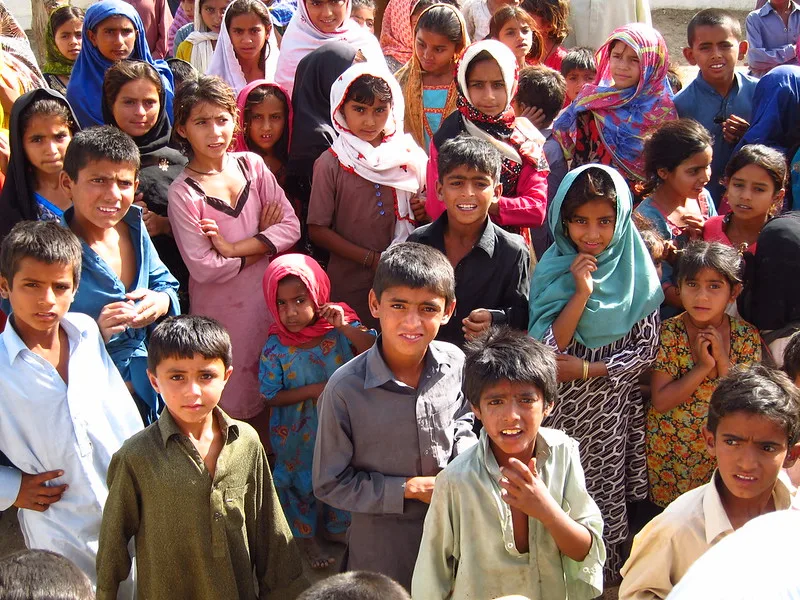
Access to healthcare is essential for maintaining a healthy population, yet quality medical services remain difficult to obtain for many individuals and families. Financial limitations, geographical barriers, shortages of healthcare professionals, and limited health awareness can prevent people from receiving timely medical attention. These challenges are particularly difficult for households that must balance treatment expenses with basic needs such as food, housing, and education.
Accessible healthcare involves more than the presence of hospitals and clinics. It also means that people can obtain appropriate services, understand their treatment options, and continue receiving care when necessary. Improving access requires cooperation between healthcare providers, public institutions, charitable organizations, and local communities.
Understanding the Barriers to Healthcare Access
Several factors can prevent people from seeking or continuing medical treatment. The most visible barrier is often cost, but other difficulties can be equally significant.
For families with limited incomes, consultation fees, diagnostic tests, medicines, transportation, and follow-up appointments can quickly become expensive. Chronic conditions may create additional pressure because they require ongoing monitoring and treatment rather than a single visit.
Geographical distance is another challenge. People living in remote areas may need to travel considerable distances to reach a specialist or diagnostic facility. Time away from work and family responsibilities can make these journeys even more difficult.
Limited health literacy can also affect healthcare decisions. When people do not understand symptoms, preventive measures, or prescribed treatment, they may delay seeking assistance or struggle to follow medical advice.
Common barriers include:
- High out-of-pocket medical expenses.
- Limited availability of specialized healthcare services.
- Transportation difficulties and long travel times.
- Insufficient awareness of health risks and preventive care.
- Inadequate support for patients with long-term medical needs.
Recognizing these barriers is the first step toward developing practical solutions that reflect the needs of local communities.
Why Preventive Care and Early Diagnosis Matter
Preventive healthcare helps identify potential health concerns before they develop into more serious complications. Regular health assessments, appropriate screening, vaccinations, and guidance on healthy lifestyle choices can contribute to better long-term outcomes.
Early diagnosis is especially important for conditions such as diabetes, high blood pressure, and kidney disease. These conditions may progress without obvious symptoms, meaning that people can remain unaware of a problem until their health has deteriorated.
For individuals at increased risk, healthcare professionals may recommend specific tests and follow-up schedules based on medical history and current health status. Early intervention can help manage certain conditions, although outcomes depend on the underlying cause and the individual's circumstances.
Public awareness campaigns can encourage people to seek professional advice, understand common risk factors, and avoid relying on unverified remedies. Educational information should be clear, accurate, and accessible to people with different levels of health literacy.
Supporting Patients with Chronic Conditions
Chronic diseases often require ongoing medical supervision, medication, lifestyle adjustments, and regular diagnostic testing. For patients and their families, managing these responsibilities can be physically, emotionally, and financially demanding.
Kidney disease is one example of a condition that may require long-term care. Depending on its cause and severity, treatment can involve regular monitoring, medication, dietary guidance, or specialized services such as dialysis. Patients with advanced kidney failure may need dialysis to help remove waste products and excess fluid from the blood.
The demands of ongoing treatment can affect employment, family responsibilities, transportation arrangements, and household finances. When patients cannot afford or reach the services they need, maintaining continuity of care becomes more difficult.
A supportive healthcare system should therefore consider both medical treatment and the practical circumstances affecting patients. Clear communication, patient education, referral services, and assistance for vulnerable families can help reduce some of these challenges.
The Role of Charitable Organizations in Healthcare
Charitable organizations can complement existing healthcare services by helping underserved individuals access assistance that might otherwise remain beyond their financial reach. Depending on their resources and programs, they may support treatment costs, provide health education, connect patients with medical services, or help families understand available options.
For example, organizations such as Hopewell Foundation focus on supporting deserving kidney patients through free dialysis and healthcare assistance. Such initiatives can help address financial barriers for eligible patients while highlighting the importance of community participation in healthcare support.
Charitable assistance does not replace the need for qualified medical professionals, well-equipped healthcare facilities, or sustainable public health systems. Instead, it can form part of a broader network of support that helps people access appropriate care.
Effective charitable programs should communicate their services clearly, use donations responsibly, respect patient privacy, and ensure that assistance is directed according to their stated eligibility criteria and available resources.
How Communities Can Improve Healthcare Awareness
Local communities can contribute to better health outcomes by making reliable information easier to access and encouraging people to seek appropriate medical advice. Schools, community centers, healthcare facilities, and welfare organizations can all help share practical health information.
Useful community initiatives may include:
- Organizing educational sessions with qualified healthcare professionals.
- Sharing information about preventive screenings and local medical services.
- Encouraging people with chronic conditions to attend follow-up appointments.
- Helping vulnerable patients identify legitimate financial assistance programs.
- Promoting responsible health information through community networks.
These efforts are most effective when information is culturally appropriate, easy to understand, and based on credible medical guidance.
Community participation also helps identify unmet needs. Listening to patients and caregivers can reveal difficulties that may not be obvious to service providers, such as transport costs, language barriers, or challenges arranging treatment around work.
Building More Inclusive Healthcare Services
Improving healthcare access requires long-term planning and cooperation among multiple stakeholders. Healthcare providers can review appointment systems, communication practices, and referral processes to make services easier to navigate. Public institutions can strengthen preventive programs and improve the availability of essential services, while community organizations can help connect vulnerable households with appropriate support.
Technology may also assist in certain situations. Telehealth consultations can help patients access professional advice when distance or mobility creates difficulties. However, digital services are not suitable for every medical situation and may be inaccessible to people without reliable internet connections or appropriate devices. In-person assessment remains necessary when examination, diagnostic testing, or urgent treatment is required.
Healthcare planning should therefore combine different approaches rather than depend on a single solution. Regular evaluation can help determine whether programs are reaching the people who need them and where improvements are required.
Conclusion
Accessible healthcare is fundamental to individual well-being and stronger communities. Financial hardship, geographical barriers, and limited health awareness can prevent people from receiving timely treatment, particularly when they are living with chronic conditions that require continued care.
Preventive education, early diagnosis, patient-centered services, and responsible charitable assistance can help address some of these challenges. By working together, healthcare professionals, public institutions, community organizations, and individual supporters can contribute to a system in which vulnerable people have better opportunities to obtain appropriate medical care.
Long-term progress depends on practical solutions, reliable information, and a shared commitment to treating healthcare as an essential part of community well-being.