If your home heating or cooling unit starts acting up, ignoring the early warning signs can lead to a complete system breakdown. Identifying these subtle issues early allows you to book professional HVAC Repair Services before your equipment stops working entirely. Prompt attention saves money and prevents uncomfortable indoor temperatures. Below are the seven key signs of system decline, grouped by how they typically manifest, followed by actionable steps to keep your home comfortable.
Industry data indicates that regular tune-ups and timely repairs prevent up to 85 percent of all sudden equipment failures. Experienced technicians have the diagnostic tools to locate small electrical or mechanical issues before they turn into major disasters. Staying proactive ensures your home remains safe and comfortable through every season.
Common Warnings of Impending Equipment Breakdown
Recognizing the physical warning signs of a struggling climate control system is the first step toward avoiding a complete outage. Many homeowners notice performance changes but delay calling for help until the system stops running. Here are the first three physical warnings to watch for:
- Weak airflow from supply registers often indicates a failing blower motor or severe duct blockages.
- Strange noises like squealing, banging, or grinding point to worn belts or failing bearings.
- Unpleasant odors coming from vents can signal mold growth or burnt electrical wiring.
When you hear screeching or metal-on-metal sounds, the internal parts are likely rubbing together. Scheduling an air conditioning repair can resolve these issues before the compressor suffers permanent damage. Similarly, musty smells require immediate investigation to keep your indoor air clean.
Bonus Tip: Check your air vents monthly to ensure they are fully open and free of dust, which helps prevent unnecessary strain on the blower motor.
Addressing these symptoms quickly protects other expensive parts from failing. Investing in timely HVAC Repair Services keeps your home safe and ensures the system operates efficiently.
Additional Signs of Declining Performance
System decline does not always happen suddenly, as it often manifests as a slow drop in overall performance. Paying close attention to monthly bills and daily comfort levels will help you spot these four gradual changes:
- Frequent cycling causes the system to turn on and off constantly without reaching the set temperature.
- High humidity levels inside the home indicate that the system is no longer dehumidifying the air properly.
- Different rooms have vastly different temperatures, leaving some areas too hot and others too cold.
- Utility bills rise unexpectedly without any change in your actual household usage.
Frequent cycling wastes significant amounts of electricity and places immense wear on the compressor. This behavior often requires professional heating and cooling repair to fix thermostat errors or refrigerant leaks. If you notice your home feels sticky even when the fan is running, the system is failing to manage moisture.
- Rising energy bills show the equipment is working much harder to produce the same level of comfort.
- Uneven heating usually points to ductwork leaks or an improperly sized heating unit.
- Constant thermostat adjustments mean the sensor is either failing or poorly calibrated.
Ignoring a sudden rise in monthly utility costs is a common mistake. Securing professional residential HVAC repair can restore your system to its peak operating efficiency and lower your bills.
Why Sudden System Failures Happen in Extreme Weather
Extreme temperatures put immense stress on mechanical equipment, forcing it to run continuously for hours. If your system has underlying weaknesses, these periods of intense demand will quickly expose them.
- Extreme heat causes cooling systems to work past their design capacity, leading to overheated compressors.
- Severe winter cold forces older heating units to run constantly, which can crack heat exchangers.
- Electrical surges during storms can damage sensitive control boards and blower motors.
National housing statistics show that peak summer and winter months account for over 60 percent of all system breakdowns. During these peak periods, finding quick help can be difficult due to high demand. Relying on certified HVAC Repair Services ensures correct diagnostics and keeps your family safe during weather extremes.
- A system that runs non-stop during hot days is highly vulnerable to motor burnout.
- Frozen coils can stop all cooling, forcing you to seek emergency HVAC repair services in the middle of a heatwave.
- Dirty condenser coils reduce heat transfer, making the entire unit run hotter than safe limits allow.
Technical Comparison of Minor Issues Versus Major System Failures
Understanding the difference between a simple fix and a major system failure helps you budget for maintenance. Many major breakdowns start as minor issues that were neglected for too long.
- Clogged filters reduce airflow, which eventually destroys the expensive blower motor.
- Small refrigerant leaks cause the compressor to run hot, leading to complete compressor failure.
- Loose electrical connections can spark and burn out the main system control board.
The table below outlines common problems, their long-term consequences, and the typical actions required to resolve them.

- Replacing filters regularly is the easiest way to prevent expensive motor replacements.
- Addressing small leaks early prevents the need for complete furnace repair services during a winter freeze.
- Regular inspections identify loose wires before they cause electrical fires.
Key Factors to Evaluate Before Hiring a Service Provider
Choosing the right technician requires looking beyond the lowest price tag. You must evaluate their credentials, response times, and experience with your specific equipment type.
- Verify active state licensing and liability insurance to protect your property.
- Check for certified technicians who have undergone formal training programs.
- Look for clear pricing models that avoid hidden fees or unexpected surcharges.
- Confirm they offer comprehensive warranties on both parts and labor.
Bonus Tip: Always check online reviews, specifically looking for mentions of punctuality, cleanliness, and clear communication.
A provider who offers structured HVAC maintenance services is often more reliable because they focus on long-term system health. Taking time to research qualifications helps you choose the right team for HVAC Repair Services when you need them.
- Certified technicians understand modern, high-efficiency systems and eco-friendly refrigerants.
- Local companies understand regional climate demands and common local installation issues.
- Reputable providers will explain the repair process clearly before starting any work.
Steps for Basic Home Diagnostic Testing
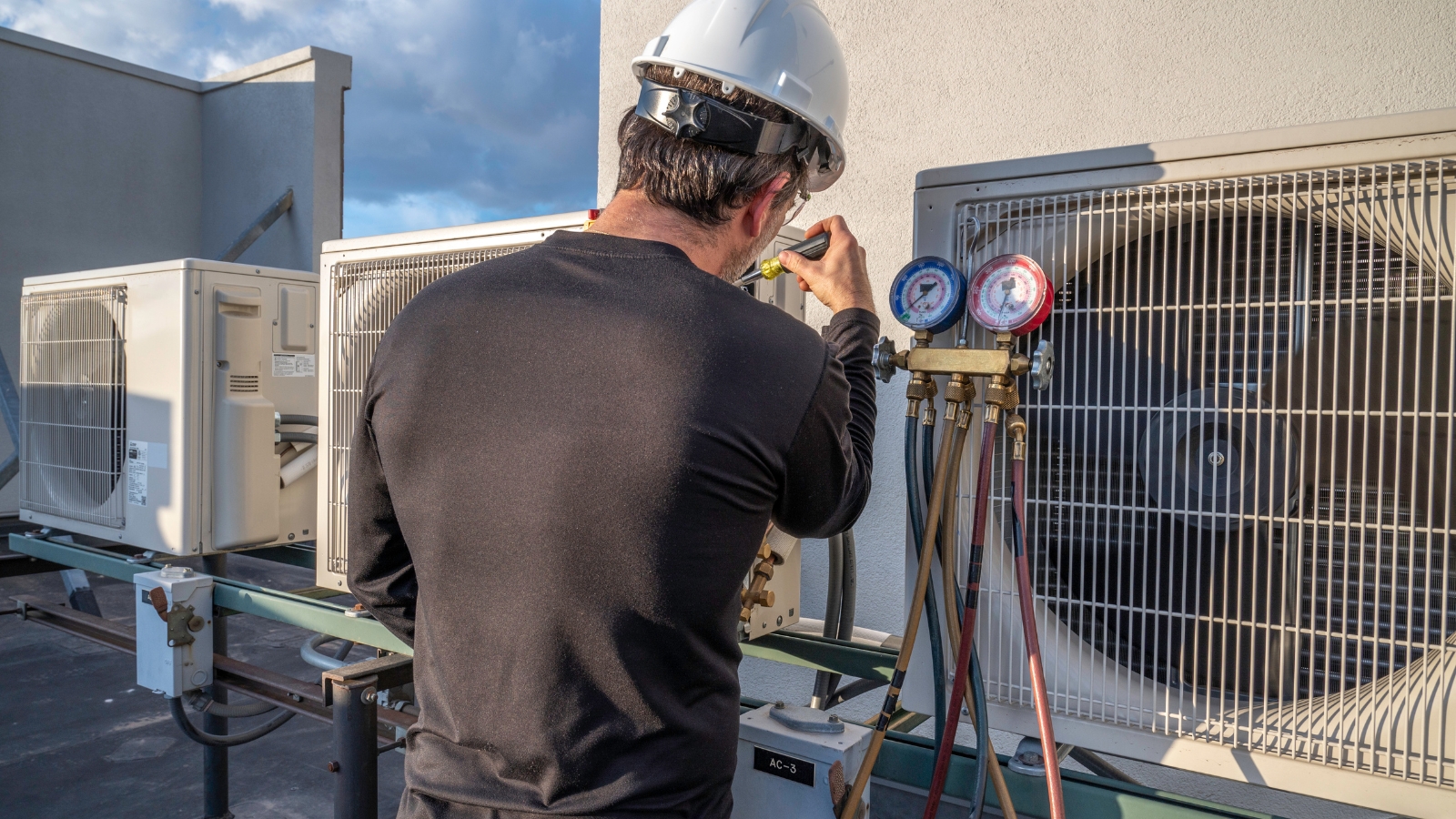
Before calling for professional help, you can perform a few simple checks to rule out minor external issues. This can save you the cost of a service call for a simple oversight.
- Check your main electrical panel to see if a circuit breaker has tripped.
- Inspect your thermostat batteries to ensure the screen is active and sending signals.
- Verify that all supply and return vents are open and completely unobstructed.
- Check the outdoor unit to make sure it is not covered in leaves, twigs, or dirt.
If your heater fails to turn on, executing basic HVAC troubleshooting can pinpoint the issue. A simple tripped breaker or a dead battery is often the culprit behind a silent system.
Bonus Tip: Keep a three-foot clear zone around your outdoor condenser unit to maintain proper airflow and prevent overheating.
- A completely blank thermostat screen usually means the batteries are dead.
- Blocked return vents restrict airflow, causing safety switches to shut the system down.
- If these basic steps do not restore operation, professional HVAC system repair is required.
Secure Comfort and Protect Your Investment
Taking action at the first sign of system trouble prevents minor issues from turning into catastrophic failures. Pay close attention to unusual sounds, weak airflow, and rising energy bills. Evaluating your system performance regularly helps you avoid the stress of a sudden breakdown during extreme weather. Booking professional maintenance ensures your heating and cooling equipment runs safely and efficiently all year.
Connect with Trusted Specialists for a Free Estimate and Reliable System Care
When your heating or cooling system shows signs of wear, getting expert help right away is essential. The professional team at Caspian Air HVAC provides dependable HVAC Repair Services, system installations, and preventative upkeep to keep your home comfortable. You can easily schedule an appointment or request a free quote by calling (760) 821-7517. For detailed inquiries, reach out via email at [email protected] [https://www.google.com/maps?cid=10860505963973979840]. Their certified technicians are ready to restore your unit to peak efficiency.
What Are the Most Common Heating and Cooling Questions?
How often should a home climate system be inspected?
You should have your system inspected twice a year, once in the spring for the cooling system and once in the autumn for the heating system. Regular inspections catch minor wear before it causes major equipment damage.
Why is my outdoor unit covered in ice during the summer?
Ice on the outdoor unit usually indicates restricted airflow from a dirty filter or low refrigerant levels. You should turn off the system immediately to let it thaw and call a professional to prevent compressor damage.
What is the average lifespan of a residential heating and cooling system?
Most residential systems last between 15 and 20 years with proper maintenance. If your system is over 15 years old and requires frequent repairs, replacement is often more cost-effective than continuous fixing.
Can a dirty air filter cause my heating system to shut down completely?
Yes, a dirty filter blocks air movement, causing heat to build up inside the furnace. This triggers a safety limit switch that automatically shuts down the system to prevent a fire or a cracked heat exchanger.
How do I know if my system is short cycling?
Short cycling is when your system turns on and off frequently, running for only a few minutes at a time. This prevents your home from reaching the set temperature and indicates a faulty thermostat, overheating, or an oversized unit.