Balance scales are essential weighing instruments in laboratories, manufacturing facilities, pharmacies, education, healthcare, and many other industries where accurate measurements matter. Whether you are using a precision balance, analytical balance or laboratory balance, correct operation is critical for obtaining reliable results.
Even a high-quality balance scale can produce inaccurate readings if it is incorrectly installed, poorly maintained or used in unsuitable conditions. Small mistakes can lead to measurement errors, material waste, failed quality checks and inconsistent results.
Understanding the most common weighing mistakes can help operators improve accuracy, protect equipment and achieve more consistent measurements.
Here are five common mistakes to avoid when using balance scales.
1. Placing the Balance in an Unsuitable Location
One of the most common causes of inaccurate weighing is placing a balance in an environment that is not suitable for precision measurements.
Balance scales can be sensitive to environmental conditions such as vibration, airflow, temperature changes, and humidity. A balance positioned next to a door, window, air-conditioning vent or busy production area may experience disturbances that affect the reading.
For laboratory and precision weighing, the balance should ideally be installed on a stable, level surface away from sources of vibration and airflow.
How to avoid this mistake
Before using a balance scale:
- Place it on a stable and level bench.
- Keep it away from doors and windows where possible.
- Avoid positioning it directly under air-conditioning vents.
- Minimise vibration from nearby machinery.
- Avoid areas with significant temperature fluctuations.
- Follow the manufacturer's installation recommendations.
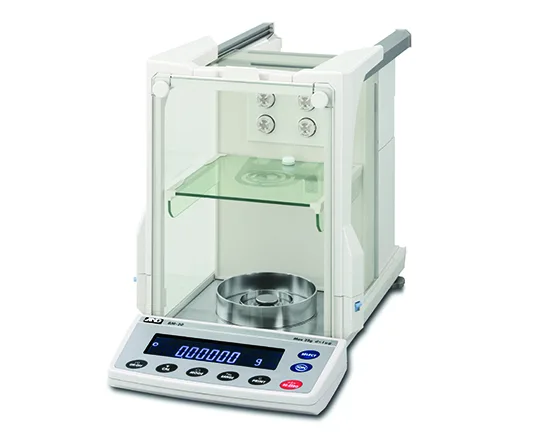
For highly sensitive analytical balances, using a draft shield can also help reduce the effects of air movement.
2. Failing to Calibrate the Balance
Calibration is one of the most important aspects of accurate weighing, yet it is sometimes overlooked.
A balance can gradually become inaccurate due to changes in temperature, relocation, mechanical stress, component wear or other environmental factors. Assuming that a balance will remain accurate indefinitely can result in incorrect measurements.
Calibration verifies the performance of the balance against an appropriate reference standard. Depending on the application, calibration may be performed internally, externally or through a qualified service provider.
How to avoid this mistake
Establish a calibration procedure appropriate for your weighing application. This may include:
- Calibration after moving the balance.
- Routine calibration at scheduled intervals.
- Calibration after significant environmental changes.
- Verification before critical measurements.
- Professional calibration where required.
Always follow the manufacturer's instructions and applicable industry requirements.
For businesses operating in regulated environments, maintaining calibration records can also help demonstrate that weighing equipment is being appropriately controlled.
3. Weighing Objects Before the Balance Has Stabilised
Another common mistake is taking a reading too quickly.
After placing an item on the weighing pan, the displayed value may fluctuate before reaching a stable measurement. Recording the value before the balance has stabilised can produce inconsistent results.
Environmental factors can make this problem worse. Air movement, vibration, temperature differences and static electricity may cause the display to fluctuate.
How to avoid this mistake
Allow sufficient time for the balance to stabilise before recording the measurement.
Operators should:
- Place the item carefully on the centre of the weighing pan.
- Avoid touching the item or pan during measurement.
- Wait for the stability indicator or stable reading.
- Record the measurement only after the reading has settled.
- Repeat the measurement if the result appears unusual.
For precision weighing, patience is important. A few extra seconds can help prevent inaccurate results and unnecessary reweighing.
4. Handling Weighing Samples Incorrectly
The way a sample is handled can significantly affect the accuracy of a balance scale.
Touching samples or containers with bare hands can transfer heat, moisture or oils. Warm objects can also create temperature-related effects that influence sensitive measurements.
Another common mistake is placing samples directly onto the weighing pan when a suitable container should be used. This can contaminate the balance and make cleaning more difficult.
How to avoid this mistake
Use appropriate weighing containers, trays, paper or vessels according to the application.
When handling precision measurements:
- Use clean weighing containers.
- Avoid touching containers unnecessarily.
- Use appropriate gloves or tools where required.
- Allow samples to reach a suitable temperature before weighing.
- Keep the weighing pan clean and dry.
- Centre the load on the pan.
- Use the tare function correctly when weighing containers.
For laboratory applications, sample preparation and handling procedures should be consistent so that measurements can be repeated reliably.
5. Ignoring Capacity and Maintenance Requirements
Every balance scale has a specified weighing capacity. Exceeding the maximum capacity can damage the load cell or other components and may compromise future measurements.
However, operators sometimes focus only on the maximum capacity and overlook other specifications, such as readability, repeatability and environmental protection.
For example, a balance designed for a controlled laboratory environment may not be suitable for a dusty manufacturing area or wet processing facility.
Maintenance is equally important. Dust, residue, spilled materials and mechanical damage can affect weighing performance over time.
How to avoid this mistake
Always select and operate the balance according to its specifications.
Check:
- Maximum weighing capacity
- Readability
- Repeatability
- Operating temperature range
- Environmental protection
- Calibration requirements
- Cleaning instructions
- Recommended maintenance schedule
Never place a load on the balance that exceeds its rated capacity.
Regular cleaning and preventive maintenance can also help identify problems before they affect weighing accuracy.
Why Correct Balance Scale Use Matters
Accurate weighing is important in many commercial and industrial applications. An incorrect measurement can affect product quality, production efficiency, inventory control and regulatory compliance.
For example, manufacturers may rely on balance scales to measure ingredients or components accurately. Laboratories may use balances to prepare samples and formulations. Retail and commercial businesses may depend on weighing equipment for inventory and product measurement.
Even small weighing errors can become significant when repeated across hundreds or thousands of measurements.
Correct operating procedures therefore provide more than improved accuracy. They can also help extend equipment life, reduce material waste and improve overall process efficiency.
Tips for Getting More Accurate Balance Scale Readings
In addition to avoiding the five mistakes above, operators can follow several simple best practices:
Keep the balance clean: Remove dust, powder and material residues regularly using approved cleaning methods.
Check the level: Ensure the balance remains properly level, particularly after moving or servicing it.
Minimise environmental disturbances: Reduce vibration, airflow and temperature fluctuations.
Use the correct weighing mode: Select the appropriate unit and functions for the application.
Tare correctly: Zero the balance with the empty container before adding the sample.
Handle equipment carefully: Avoid impacts to the weighing pan and other sensitive components.
Follow manufacturer instructions: Different balance scales have different operating, cleaning and calibration requirements.
Choosing the Right Balance Scale
Preventing weighing errors begins with selecting equipment appropriate for the application.
A laboratory may require a highly precise analytical balance, while a manufacturing environment may need a robust precision balance with greater capacity. Applications involving moisture, dust or frequent cleaning may require equipment with additional environmental protection.
Consider the required capacity, readability, accuracy, operating environment and compliance requirements before purchasing a balance scale.
Final Thoughts
Using balance scales correctly is essential for obtaining reliable and repeatable measurements. The most common mistakes include placing the balance in an unsuitable location, neglecting calibration, recording readings before stabilisation, handling samples incorrectly and ignoring capacity or maintenance requirements.
By establishing proper weighing procedures and training operators, businesses can reduce measurement errors and get better performance from their weighing equipment.
Whether you need a balance scale for laboratory, manufacturing, healthcare, retail or industrial applications, choosing the right equipment and following good weighing practices can make a significant difference to accuracy, reliability and equipment longevity.