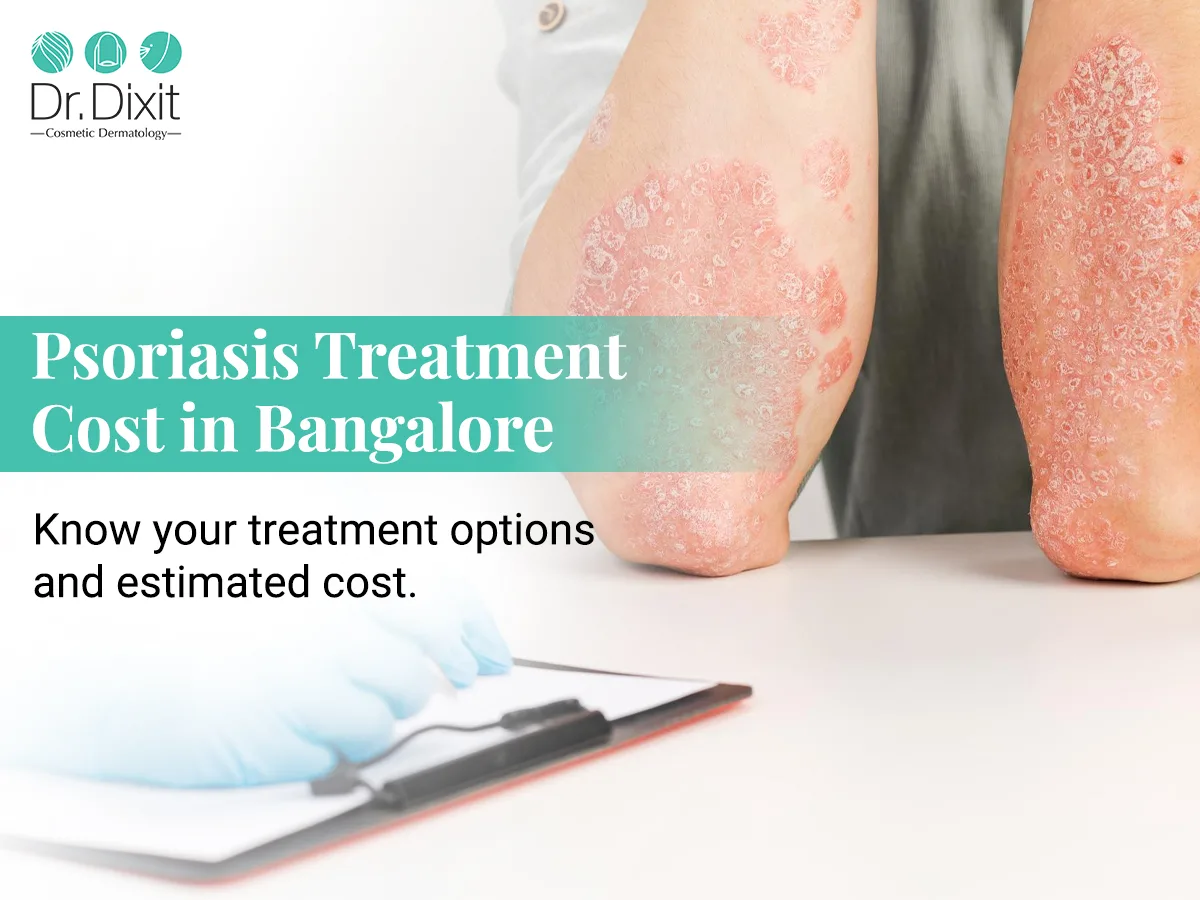
If you have been through rounds of psoriasis treatment in Bangalore and still find that flares return, you are not doing anything wrong. Psoriasis is a chronic autoimmune condition. The immune system remains involved, triggers exist in everyday life, and the skin's response to those triggers does not simply switch off because a treatment improved things for a period. Understanding why psoriasis keeps flaring is what helps patients manage it more consistently over the long term.
What Is Actually Happening During a Flare?
Psoriasis occurs when the immune system malfunctions and accelerates the growth cycle of skin cells. Normally, skin cells take about a month to form and shed. In psoriasis, this process compresses into days, causing cells to pile up on the surface as thick, scaly patches.
Treatment reduces this overactivity. But psoriasis is not cured. The underlying immune predisposition remains, which is why the condition operates in cycles of flare-ups and remission.
Common Reasons Psoriasis Keeps Coming Back
- Triggers have not been identified. Every patient has a specific set of triggers that activate their immune response. For some it is stress. For others it is cold and dry weather, a skin infection, alcohol, certain medications, or physical trauma to the skin. If these triggers are not identified and actively managed, they will continue to provoke flares.
- Treatment was stopped too early. Many patients discontinue treatment as soon as the skin clears. But maintenance therapy, prescribed by a dermatologist, is what prevents the immune response from rebounding. Stopping too soon removes that control, and the skin often responds with a return of symptoms.
- The treatment approach needs to change. Psoriasis that responds initially to topical therapy may eventually require escalation to phototherapy, oral medications, or biologics as the condition progresses or becomes resistant. A treatment plan that worked two years ago may not be the right one today.
- Lifestyle factors are still active. Smoking, alcohol, chronic stress, and poor diet have well-documented links to psoriasis flares. These are not just background factors; they actively influence immune activity. Addressing them alongside clinical treatment improves long-term control significantly.
The Types of Psoriasis and Why They Behave Differently
Psoriasis is not a single presentation. The type affects how it responds to treatment and how frequently it flares:
- Plaque psoriasis: The most common type, with raised, scaly patches on elbows, scalp, knees, and lower back
- Guttate psoriasis: Small, teardrop-shaped lesions that often follow bacterial infections
- Inverse psoriasis: Smooth, inflamed patches in skin folds that respond differently from plaque psoriasis
- Pustular psoriasis: Painful, pus-filled blisters on inflamed skin
- Erythrodermic psoriasis: A severe, widespread form requiring urgent medical attention
Each type responds to different treatments at different intensities. Treating all types the same way is one of the reasons some patients see persistent flares despite ongoing care.
What Effective Long-Term Management Looks Like
At Dr. Dixit Cosmetic Dermatology in Koramangala, Bangalore, psoriasis is managed with a personalised approach across several treatment levels:
- Topical therapy for mild to moderate cases using corticosteroids, Vitamin D analogues, or medicated ointments
- Oral medications for moderate to severe cases, including immunosuppressants and retinoids
- Phototherapy (UVB) for widespread psoriasis, administered 2 to 3 sessions per week
- Excimer laser therapy for localised plaque or scalp psoriasis, targeting affected areas with precision
- Biologic therapy for severe, treatment-resistant psoriasis, targeting specific immune pathways every few weeks or months
The psoriasis treatment cost in Bangalore at Dr. Dixit Cosmetic Dermatology depends on the type and severity.
About Dr. Rasya Dixit
Dr. Rasya Dixit, Medical Director of Dr. Dixit Cosmetic Dermatology, is a clinical and cosmetic dermatologist with over 20 years of experience. As a trusted best dermatologist in Bangalore for chronic skin conditions including psoriasis, she provides accurate diagnosis, personalised treatment planning, and long-term follow-up care designed around each patient's specific condition and lifestyle.
Conclusion
Psoriasis flares are not a sign that treatment has failed. They are a sign that the management plan needs to evolve to match where the condition is now. With the right diagnosis, the right treatment level, and active trigger management, long-term control is genuinely achievable.
Book a consultation with Dr. Rasya Dixit at Dr. Dixit Cosmetic Dermatology. Visit the website to get started.