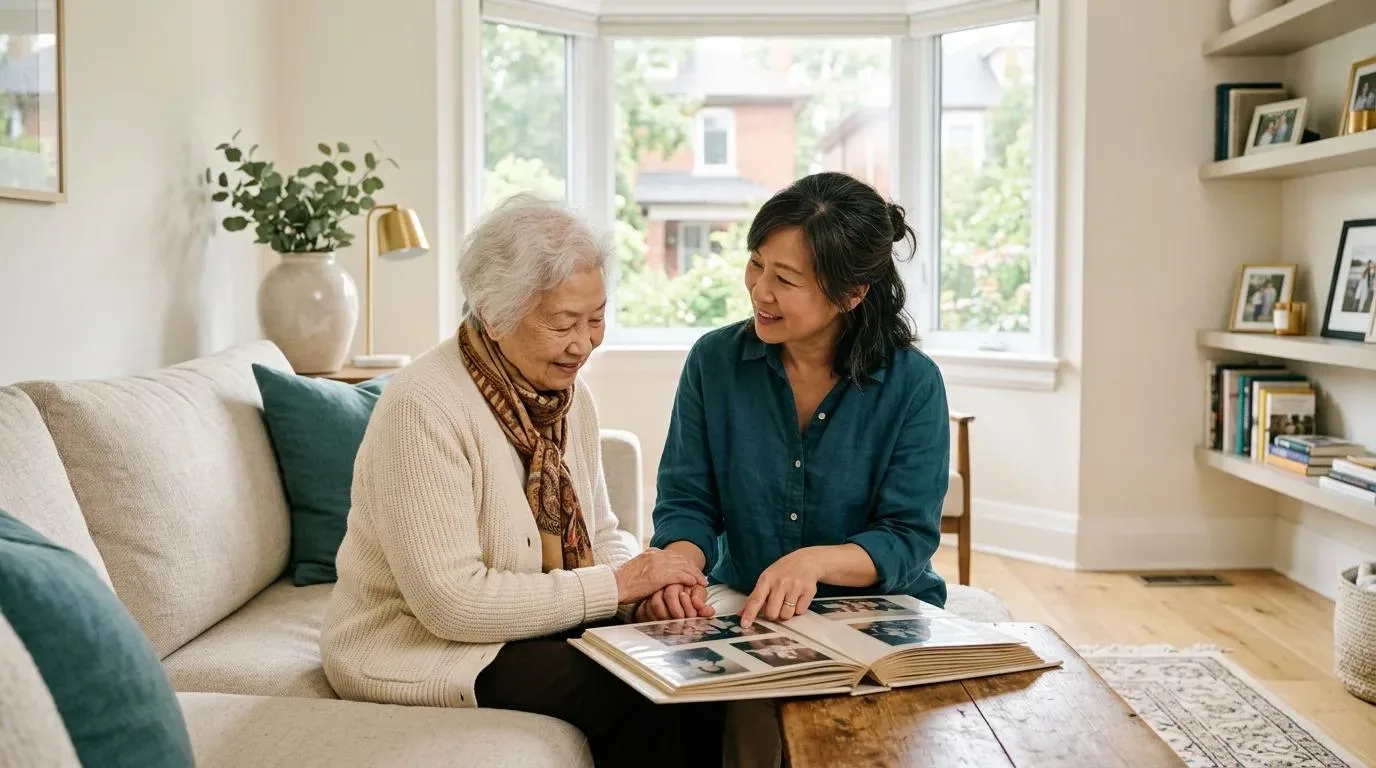
Home is often a place of familiarity, comfort, and security. For someone living with dementia, maintaining that sense of familiarity can become especially important as memory, communication, and everyday abilities change over time.
Families often face difficult questions when a loved one begins experiencing memory-related challenges. How can they make everyday activities easier? What changes can improve safety? How can they provide emotional support without taking away the person's independence?
Understanding the Importance of a Familiar Environment
Dementia can affect memory, thinking, communication, and the ability to complete familiar activities. These changes may make previously simple tasks more challenging.
A familiar environment can help reduce confusion and make everyday routines easier to navigate. Keeping frequently used belongings in consistent locations, maintaining recognizable surroundings, and following predictable schedules can provide a greater sense of stability.
Families should focus on making the home comfortable rather than introducing unnecessary changes that could create additional confusion.
5 Ways to Create a Dementia-Friendly Home
1. Keep Everyday Spaces Simple and Organized
A cluttered environment can make it harder for someone with memory difficulties to identify objects and move around comfortably.
Consider these adjustments:
- Keep walkways clear of unnecessary furniture.
- Store frequently used items in familiar places.
- Remove loose rugs and other potential tripping hazards.
- Make important rooms easy to identify.
- Keep commonly used household items within comfortable reach.
Simple changes can make everyday activities easier and support safer movement around the home.
2. Establish Predictable Daily Routines
Consistency can help individuals feel more comfortable with their surroundings. Regular meal times, familiar activities, and consistent sleeping schedules can provide structure throughout the day.
Families can create a simple daily routine that includes:
- Morning grooming and personal care.
- Regular meal and hydration breaks.
- Light physical activity, where appropriate.
- Familiar hobbies and social interaction.
- Relaxation and consistent bedtime routines.
The routine should remain flexible enough to accommodate the individual's comfort, energy levels, and changing needs.
3. Use Clear Communication and Gentle Reminders
Communication may become challenging as dementia progresses. Long explanations or multiple instructions can sometimes cause confusion.
Instead, family members and caregivers can:
- Use short and simple sentences.
- Speak calmly and allow time for responses.
- Maintain eye contact when appropriate.
- Give one instruction at a time.
- Avoid unnecessary arguments or repeated corrections.
- Use familiar names and reassuring language.
A calm approach can help create more positive interactions and reduce frustration during everyday activities.
4. Make the Home More Comfortable and Accessible
Small home modifications can improve accessibility and help individuals navigate familiar spaces.
Consider installing appropriate bathroom grab bars, improving lighting in hallways, securing electrical cables, and ensuring commonly used areas are easy to access.
Families may also consider labels or simple visual reminders on cupboards, doors, and storage areas to make everyday tasks easier.
Any significant safety modifications should be considered according to the individual's specific needs.
5. Encourage Familiar Activities and Social Connection
Dementia does not eliminate the need for enjoyment, relationships, and meaningful experiences.
Activities that were once part of someone's daily life may continue to provide comfort and engagement.
Some examples include:
- Listening to familiar music.
- Looking through family photographs.
- Gardening or caring for indoor plants.
- Participating in simple household activities.
- Playing familiar games.
- Spending time with family and friends.
The goal is to encourage participation without creating pressure or frustration.
How Professional Caregivers Can Support Families
Providing ongoing support to someone living with dementia can be demanding for family members. Balancing personal responsibilities with caregiving can become difficult, particularly when additional assistance is needed throughout the day.
Professional caregivers can help families manage everyday responsibilities through personalized support.
Depending on the individual's needs and the services available, this may include companionship, assistance with personal care, help with daily routines, meal preparation, and supervision.
Families exploring dementia care at home should look for a provider that understands the importance of patience, consistency, communication, and respect for individual preferences.
It is also important to remember that non-medical home care does not replace medical supervision or treatment. Families should consult qualified healthcare professionals for medical guidance and dementia-related care planning.
Supporting Family Caregivers Along the Way
Dementia affects not only the individual but also the people involved in their care. Family members may experience emotional stress, uncertainty, and physical exhaustion while adjusting to changing responsibilities.
Sharing responsibilities, maintaining communication between family members, and arranging professional assistance when necessary can make caregiving more manageable.
Caregivers should also make time for rest and personal well-being. Seeking additional support is not a sign of failure. It is an important part of maintaining a sustainable care arrangement.
Finding Personalized Home Care Support
Every person living with dementia has different preferences, routines, and support requirements. There is no single approach that works for every individual.
Zarianna Health and Vocational Services focuses on compassionate, personalized home care support for individuals and families in San Diego and across California. Its care approach emphasizes dignity, comfort, companionship, and respect for individual routines.
Families can explore available care options to understand how additional assistance may fit into their loved one's everyday life.
Final Thoughts
Creating a comfortable environment for someone living with dementia begins with understanding their individual needs. Familiar surroundings, predictable routines, gentle communication, and meaningful activities can all contribute to a more supportive daily experience.
With family involvement and appropriate professional assistance, individuals can continue enjoying familiar spaces and meaningful moments while receiving the support they need.