
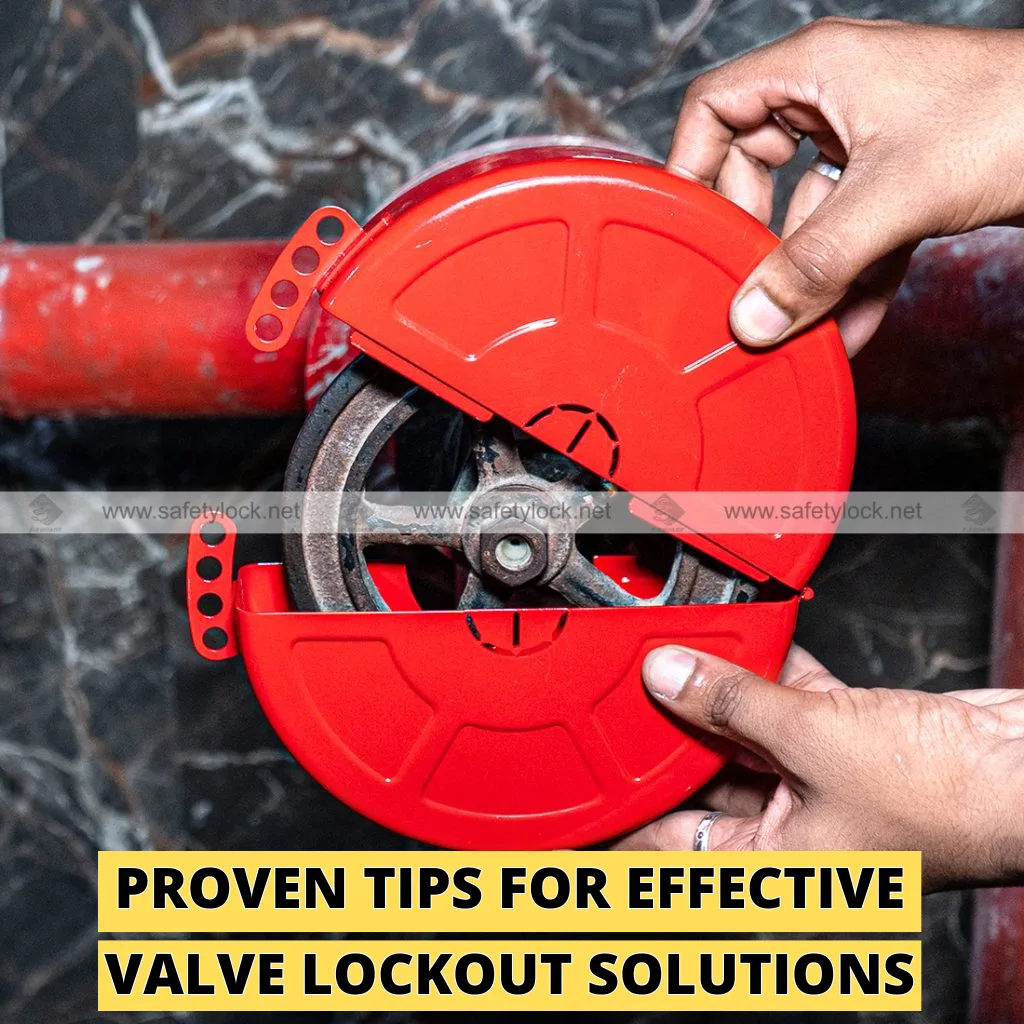
In industrial workplaces, safety is not just a priority - it is a responsibility. Manufacturing plants, chemical facilities, oil and gas industries, and processing units all operate with hazardous energy sources that can pose serious risks during maintenance and servicing activities. Among the most critical components in hazardous energy control are valves, which regulate the flow of liquids, gases, steam, and chemicals throughout industrial systems.
Without proper isolation procedures, accidental valve operation can lead to severe injuries, equipment damage, production downtime, and even fatalities. This is where effective valve lockout solutions become essential. Implementing the right valve lockout practices helps organizations create safer workplaces while improving compliance and operational efficiency.
Understanding the Importance of Valve Lockout:
Valve lockout is a key part of Lockout Tagout procedures used to control hazardous energy during equipment servicing and maintenance. These lockout devices secure valves in a safe position - usually the OFF or CLOSED position - to prevent unauthorized or accidental operation.
Valves are connected to various hazardous energy systems, including:
- Hydraulic systems
- Pneumatic lines
- Steam pipelines
- Chemical transfer systems
- Gas supply networks
If these systems are activated unexpectedly during maintenance, workers can face burns, chemical exposure, pressure release injuries, or mechanical accidents.
Proper valve lockout solutions significantly reduce these risks and help maintain a controlled working environment.
Why Effective Valve Lockout Solutions Matter?
- Prevents Workplace Injuries
One accidental valve activation can release dangerous energy instantly. Valve lockout devices physically block valve movement, ensuring workers remain protected while performing maintenance tasks.
- Improves Regulatory Compliance
Industrial safety regulations require organizations to implement proper hazardous energy control measures. Effective valve lockout systems support compliance with workplace safety standards and help avoid penalties or operational disruptions.
3. Reduces Downtime and Operational Losses
Safety incidents often result in costly downtime, damaged equipment, and production delays. Proper lockout procedures minimize operational interruptions and improve maintenance efficiency.
- Builds a Strong Safety Culture
When employees see safety being prioritized through reliable lockout systems and procedures, it encourages greater awareness, accountability, and teamwork across the workplace.
Proven Tips for Effective Valve Lockout Solutions:
- Identify All Hazardous Energy Sources
The first step toward effective valve lockout is conducting a thorough risk assessment. Every plant should identify:
- Valve locations
- Energy sources connected to valves
- Potential hazards
- Required isolation points
Understanding the system completely helps safety teams select appropriate lockout devices and procedures.
- Choose the Right Valve Lockout Device
Different valve types require specific lockout solutions. Using the wrong device may compromise safety and reduce effectiveness.
Common Valve Lockout Devices Include:
- Ball Valve Lockouts - Ideal for quarter-turn valves
- Gate Valve Lockouts - Prevent valve wheel rotation
- Butterfly Valve Lockouts - Secure butterfly valve handles
- Plug Valve Lockouts - Designed for plug valve systems
- Universal Valve Lockouts - Adjustable solutions for multiple valve types
Selecting the correct device ensures secure isolation and easier application during maintenance.
- Invest in Industrial-Grade Lockout Devices
Industrial environments can be extremely demanding. Exposure to moisture, chemicals, heat, dust, and corrosion can damage low-quality devices over time.
High-quality valve lockouts should offer:
- Durable construction
- Corrosion resistance
- UV resistance for outdoor applications
- Strong locking mechanisms
- Long-term reliability
Industrial-grade devices provide better performance and lower replacement costs in the long run.
- Standardize Lockout Procedures
Inconsistent lockout practices can create confusion and increase workplace risks. Organizations should establish standardized lockout procedures across all departments and facilities.
A standardized system should include:
- Clear lockout instructions
- Device labeling
- Authorized employee responsibilities
- Safety verification steps
- Emergency procedures
Consistency improves communication and strengthens workplace safety practices.
- Train Employees Regularly
Even the best lockout devices are ineffective without proper training. Employees must understand how to correctly apply, inspect, and remove valve lockout devices.
Training programs should cover:
- Hazard recognition
- Proper lockout techniques
- Energy isolation verification
- Group lockout procedures
- Emergency response measures
Regular refresher training helps maintain compliance and reduces unsafe behavior.
- Verify Isolation Before Starting Work
One of the most important safety steps is verifying that hazardous energy has been fully isolated before maintenance begins.
Workers should:
- Test valve positions
- Release stored pressure
- Confirm zero energy state
- Follow documented verification procedures
Never assume a valve is safe simply because it appears closed.
- Conduct Routine Safety Inspections
Routine inspections help identify damaged devices, outdated procedures, and unsafe practices before they lead to incidents.
Safety audits should evaluate:
- Device condition
- Employee compliance
- Procedure effectiveness
- Proper documentation
- Equipment compatibility
Continuous improvement is essential for maintaining a successful valve lockout program.
Common Valve Lockout Mistakes to Avoid:
Many industrial accidents occur due to preventable errors, including:
- Using makeshift lockout methods
- Skipping verification procedures
- Failing to train employees
- Using damaged or poor-quality devices
- Allowing unauthorized lock removal
Avoiding these mistakes greatly improves workplace safety outcomes.
Conclusion:
Effective valve lockout solutions are a critical part of workplace safety and hazardous energy control. By selecting the right devices, standardizing procedures, and investing in employee training, organizations can significantly reduce risks and create safer industrial environments.
A strong valve lockout program does more than ensure compliance - it protects workers, supports operational continuity, and reinforces a culture of safety throughout the plant.
In today’s industrial world, workplace safety must always come first, and proven valve lockout solutions are one of the most reliable ways to achieve it.