
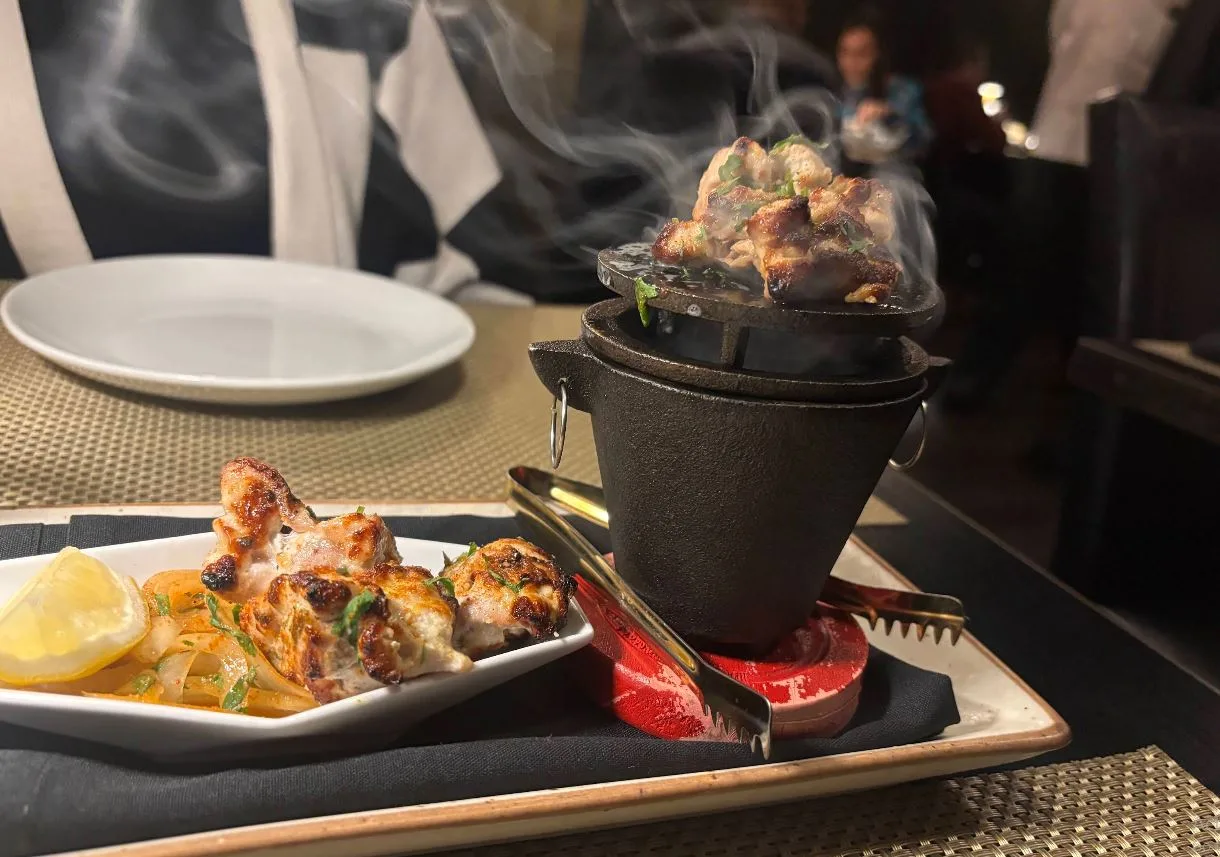
Indian cuisine has found a place in New York beyond traditional curries and familiar takeout orders. Today, diners are exploring regional recipes, creative starters, grilled dishes, and cocktails that bring a different feel to the meal. The growing interest in Indian food Midtown NYC reflects this change. People want food with clear flavors, interesting choices, and enough variety to make lunch, brunch, or dinner worth sitting down for. Progressive Indian cooking answers that demand while keeping the spices, ingredients, and cooking traditions that make the cuisine distinctive.
What Makes Progressive Indian Cuisine Different?
Progressive Indian cuisine does not mean leaving traditional food behind. It means presenting familiar ingredients and regional dishes in ways that suit changing dining habits. Chefs may work with traditional spice blends, tandoor cooking, and well-known sauces while introducing different combinations or modern presentation.
For diners, the appeal often comes down to choice. A meal can include crisp street-food snacks, grilled paneer, a rich curry, and freshly baked naan. Each dish brings something different to the table without losing its Indian character.
Interest in new Indian restaurants NYC has also grown alongside a wider curiosity about regional Indian food. Rather than treating Indian cuisine as one style, diners can explore dishes influenced by different parts of the country, from South Indian breakfast favorites to Punjabi preparations and coastal seafood recipes.
Why Midtown Diners Are Exploring More Indian Food
Midtown Manhattan attracts office workers, residents, visitors, and groups looking for places to eat before or after a busy day. A restaurant menu needs to work for different appetites, budgets, and occasions. Indian cuisine offers variety that can make ordering easier for a mixed group.
A Menu with Options for Different Tastes
Indian menus often include vegetarian dishes alongside chicken, lamb, seafood, and rice preparations. This makes it possible for a group to share a meal even when everyone has different preferences.
Common choices include:
- Vegetarian plates: Paneer dishes, lentil preparations, and vegetable curries.
- Grilled specialties: Tandoori chicken, kebabs, and grilled paneer.
- Rice dishes: Vegetable, chicken, or lamb biryani.
- Breads and sides: Naan, roti, and other accompaniments.
For people searching for Indian food Midtown NYC, this range can make Indian restaurants suitable for casual lunches, group dinners, and planned celebrations.
Familiar Flavors with Room to Explore
Some diners prefer a mild, creamy curry, while others look for stronger spices or a little heat. Indian cooking can accommodate both preferences, although the ingredients and preparation differ from dish to dish. Trying a new starter or a regional specialty is also an easy way to move beyond a regular order.
Brunch Is Giving Indian Cuisine Another Audience
Brunch has become a popular way to meet friends, spend a weekend morning, or enjoy a slower meal. Indian dishes fit naturally into this setting because many breakfast and snack foods already offer variety in texture and flavor.
From Chaat to South Indian Classics
A brunch menu may feature papdi chaat, pani puri, vada pav, dosa, idli, or sambar. These dishes offer alternatives to the usual eggs, pancakes, and sandwiches without making the meal feel unfamiliar to people who are new to Indian cuisine.
At new Indian restaurants NYC, restaurants such as aRoqa offer guests brunch alongside beverages such as masala chai, coffee, and brunch cocktails. This mix reflects how Indian food can suit a relaxed weekend meal as well as a more traditional dinner outing.
Cocktails and Dining Atmosphere Also Matter
The food remains central, but drinks and setting can shape where people choose to spend an evening. Indian spices and ingredients can also work in cocktails, bringing flavors such as cardamom, tamarind, rose, and mango into the glass.
For example, a cocktail with tamarind can offer a tangy contrast to rich or grilled dishes, while cardamom adds a warm, fragrant note. These combinations give diners another way to explore familiar ingredients.
For new Indian restaurants NYC, offering both food and drinks can appeal to people planning date nights, meeting friends, or celebrating an occasion. Still, a good dining experience depends on more than presentation. The food needs to taste good, the menu should be clear, and guests should be able to find options that suit their preferences.
What Diners Should Look for When Choosing an Indian Restaurant
Not every restaurant takes the same approach to Indian cooking. Before choosing a place, diners can consider a few practical details:
- Menu variety: Look for a useful mix of vegetarian and non-vegetarian dishes.
- Regional choices: Check whether the menu includes more than the most familiar curries.
- Brunch availability: Confirm the days, times, and dishes offered before visiting.
- Dietary needs: Ask about ingredients, allergens, and spice levels when necessary.
- Reservations: Check availability in advance for weekends or larger groups.
These details matter more than a trend or an attractive menu description. A restaurant should offer food that suits the occasion and gives diners a clear idea of what to expect.
Conclusion
Progressive Indian cuisine is gaining attention because it gives diners more ways to enjoy a diverse food tradition. Street-food snacks, regional specialties, vegetarian plates, grilled dishes, and creative drinks all contribute to that appeal. The growing interest in Indian food Midtown NYC is not simply about trying something new; it is also about having more choice when deciding where and what to eat. As diners continue exploring regional flavors and contemporary menus, Indian cuisine remains a strong part of New York's changing restaurant scene.