How Play Supports Essential Childhood Skills
Play is a natural part of childhood that helps children explore their surroundings, develop new abilities and learn how to interact with others. From stacking blocks to drawing pictures and playing pretend games, every activity offers opportunities to practise important developmental skills. For children receiving paediatric occupational therapy, play is more than entertainment. It is a meaningful way to improve everyday abilities while keeping children motivated and engaged.
Building Fine Motor and Gross Motor Skills
Play provides children with regular opportunities to develop the physical skills they need for everyday activities. Fine motor skills involve small movements of the hands and fingers, while gross motor skills involve larger movements of the body, arms and legs. Both are essential for children's independence and participation in daily routines.
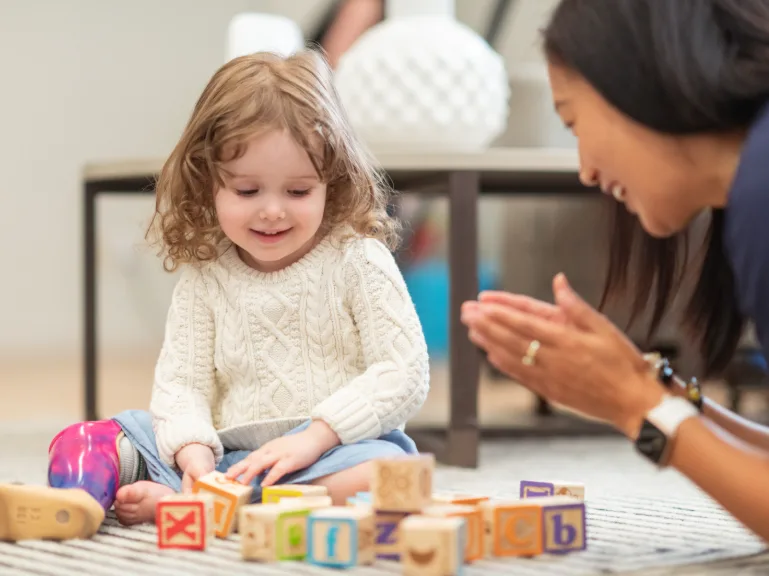
Activities such as threading beads, using playdough, drawing and building with blocks help strengthen hand muscles and improve finger coordination. These skills can support tasks such as holding a pencil, using cutlery, fastening buttons and managing school supplies.
Gross motor activities, including climbing, jumping, balancing and throwing balls, help children improve strength, coordination and body awareness. Paediatric occupational therapists select activities according to each child's abilities and developmental needs, gradually introducing new challenges as their skills improve.
Encouraging Sensory Processing and Exploration
Children learn about the world through their senses, including touch, sight, sound, smell, taste, movement and body position. Some children may find certain sensory experiences overwhelming, while others may seek additional movement or tactile stimulation.
Play based activities can provide safe opportunities to explore different sensory experiences. For example, playing with sand, water, textured materials or soft modelling dough can encourage tactile exploration. Swinging, jumping and balancing activities can help children explore movement and body awareness under appropriate supervision.
Occupational therapists observe how children respond to these experiences and adapt activities to suit their individual needs. The goal is to help children participate more comfortably in everyday environments, including classrooms, playgrounds and family settings.
Strengthening Social Interaction and Communication
Play often involves sharing, taking turns, following instructions and communicating with others. These experiences help children develop social skills that are important for friendships, family relationships and participation in group activities.
During pretend play, children might act out visiting a shop, preparing a meal or caring for a toy. These situations encourage them to express ideas, understand different perspectives and practise responding to social situations.
Group games can also help children learn patience, cooperation and problem solving. For children who find social interactions challenging, an occupational therapist may introduce structured activities with clear instructions and predictable routines.
Over time, these experiences can help children become more confident when interacting with peers and participating in school or community activities.
Developing Emotional Regulation and Confidence
Play allows children to experience different emotions in a supportive environment. They may feel excited when completing a puzzle, frustrated when a tower falls or proud when learning a new skill. These moments provide opportunities to practise managing feelings and responding to challenges.
Occupational therapists can use games and creative activities to help children recognise emotions, develop coping strategies and gradually build resilience. For example, a therapist might introduce a simple turn taking game to help a child practise waiting or use a preferred activity to support a transition between tasks.
Successful play experiences can also strengthen self confidence. When children complete activities that initially seemed difficult, they learn that effort and practice can lead to progress. Therapists adjust the level of difficulty so that activities remain achievable while encouraging further development.
Supporting Independence in Everyday Activities
One of the main goals of paediatric occupational therapy is to help children participate more independently in daily routines. Play can provide a practical and enjoyable way to practise skills needed for dressing, eating, grooming and school participation.
For example, dressing dolls can help children practise pulling clothing on and off, while pretend cooking can introduce the movements involved in using utensils and handling everyday objects. Construction toys can support hand coordination and visual motor integration, which are useful for writing and classroom tasks.
Families searching for occupational therapy near me may be looking for support with their child's everyday challenges. A paediatric occupational therapist can assess the child's strengths and needs, then develop play based activities that target specific functional goals.
The aim is to make skill development relevant to the child's daily life, helping them gradually apply what they practise during therapy to familiar situations at home, school and in the community.
Making Learning Enjoyable Through Individualised Play
Every child develops differently, so play based therapy should reflect individual interests, abilities and goals. An activity that motivates one child may not interest another. Occupational therapists consider these differences when planning sessions and selecting suitable toys, games and challenges.
A child who enjoys animals might practise sorting, grasping and sequencing through animal themed games. Another child who enjoys movement may respond better to obstacle courses that develop balance, coordination and motor planning.
Therapists may also modify activities by changing the equipment, simplifying instructions or introducing visual supports. These adjustments help children participate at a comfortable level while continuing to work towards their goals.
When children feel interested and supported, they are often more willing to practise unfamiliar skills. This makes play an adaptable approach for addressing a wide range of developmental and functional needs.
How Parents Can Encourage Play Based Development at Home
Parents and carers play an important role in supporting the skills children develop during therapy. Everyday activities can provide valuable opportunities to practise coordination, communication, independence and problem solving without requiring expensive equipment.
Simple ideas include building towers with blocks, completing age appropriate puzzles, drawing with crayons, playing with bubbles and taking turns during board games. Outdoor activities such as walking along different surfaces, kicking a ball or visiting a playground can also encourage movement and exploration.
Parents can support progress by allowing children enough time to attempt tasks independently, offering encouragement and avoiding unnecessary pressure. Activities should be appropriate for the child's age, abilities and safety needs.
Occupational therapists can recommend practical activities that align with therapy goals and explain how families can adapt them to suit their home environment.
Frequently Asked Questions
1. Why is play used in paediatric occupational therapy?
Play helps children practise physical, sensory, cognitive, emotional and social skills in an engaging way. It allows occupational therapists to address developmental goals through activities that are meaningful to each child.
2. What types of play are used during occupational therapy sessions?
Therapists may use pretend play, construction toys, puzzles, drawing, sensory activities, movement games and structured group activities. The choice depends on the child's individual needs, interests and therapy goals.
3. Can play based occupational therapy help children with developmental delays?
Play based occupational therapy may help children with developmental delays improve skills such as coordination, sensory processing, communication during activities and independence in daily routines. Progress varies according to each child's needs and circumstances.
4. How can parents support occupational therapy through play at home?
Parents can encourage activities such as drawing, building blocks, dressing dolls and playing simple turn taking games. An occupational therapist can suggest suitable activities and explain how to incorporate them into everyday routines.