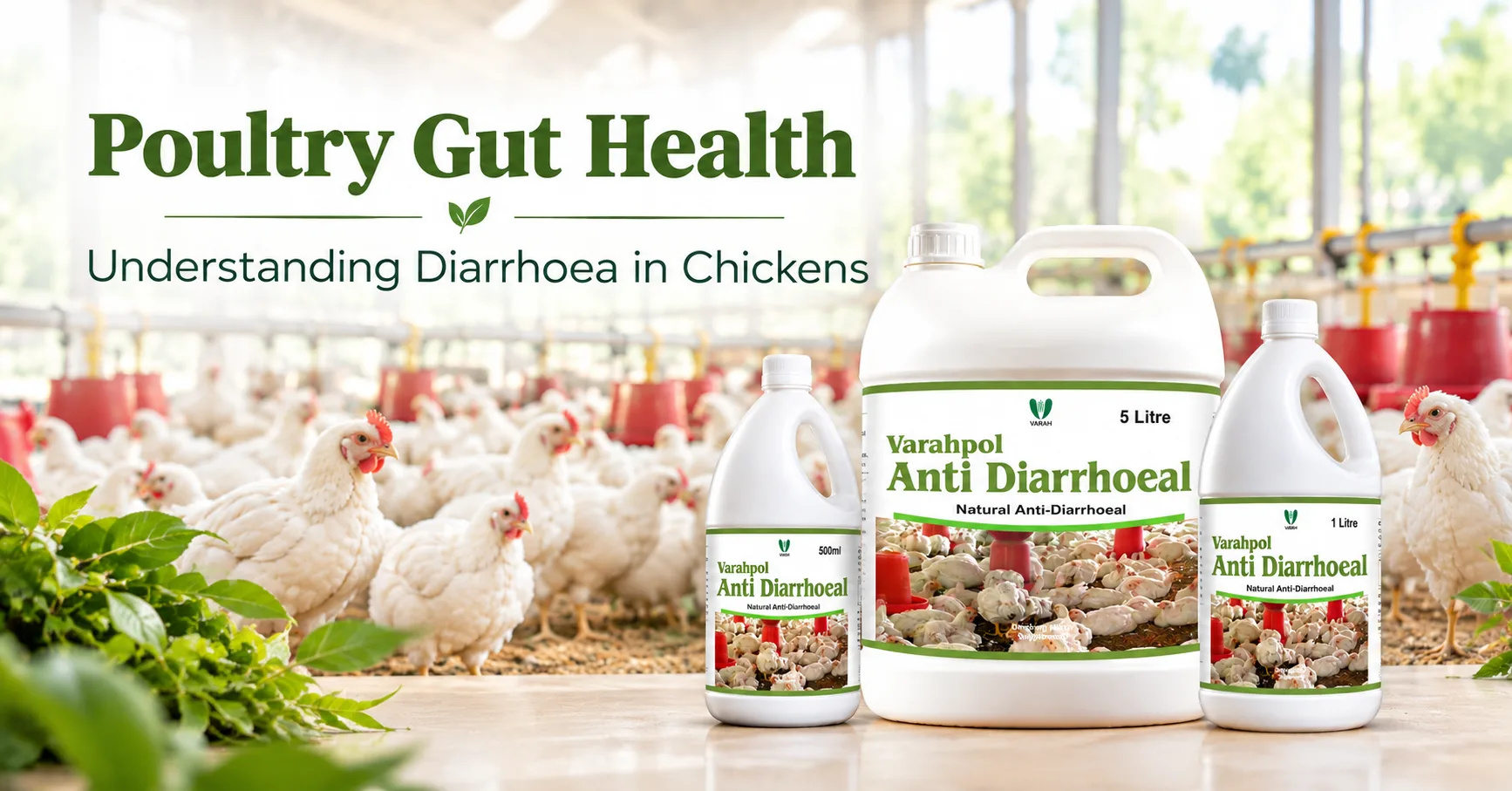
Diarrhoea in poultry is a common concern for poultry farmers because it can affect bird health, growth, feed intake and overall flock performance. Watery droppings may occur due to changes in feed, poor water quality, environmental stress or underlying infections.
Understanding what causes diarrhoea in chickens, how to identify its symptoms and how to manage it can help poultry farmers take timely action and reduce the risk of further health problems.
In this guide, we explain the common causes of diarrhoea in poultry, practical prevention methods and the importance of appropriate veterinary care.
What Is Diarrhoea in Poultry?
Diarrhoea in poultry refers to unusually loose or watery droppings that may indicate a digestive disturbance or an underlying health problem.
Healthy chicken droppings can vary in appearance depending on the bird's diet and normal digestive processes. Chickens also produce occasional caecal droppings, which are naturally softer and darker than regular droppings.
However, consistently watery droppings, unusual changes in colour, reduced appetite or signs of weakness may require further investigation.
Identifying whether the change is temporary or part of a larger health problem is an important first step in managing poultry digestive health.
What Are the Common Symptoms of Diarrhoea in Chickens?
Poultry farmers should monitor their birds regularly for changes in droppings and behaviour.
Common warning signs include:
- Loose or watery droppings.
- Changes in dropping colour or consistency.
- Reduced feed consumption.
- Lower activity levels or unusual weakness.
- Poor growth or reduced weight gain.
- Signs of dehydration.
- Reduced egg production in laying hens.
Blood in the droppings, severe weakness, sudden increases in mortality or symptoms affecting multiple birds require prompt veterinary assessment.
What Causes Diarrhoea in Poultry?
Several factors can contribute to diarrhoea in chickens and other poultry. Identifying the underlying cause is essential because different conditions may require different management approaches.
1. Poor Drinking Water Quality
Contaminated drinking water can expose birds to harmful microorganisms. Dirty drinkers, biofilm buildup and poorly maintained water systems can increase hygiene risks.
Providing clean water and regularly cleaning drinking equipment are important preventive measures.
2. Changes in Feed and Nutrition
Sudden changes in feed formulation, poor-quality feed or an unbalanced diet may disturb normal digestion.
Farmers should use feed appropriate for the birds' age and production stage, store it correctly and introduce dietary changes carefully.
3. Intestinal Infections
Bacterial, viral and parasitic infections can cause digestive problems in poultry. Coccidiosis, for example, can damage the intestinal tract and may cause diarrhoea, poor growth and sometimes bloody droppings.
Because infectious diseases can spread through a flock, veterinary diagnosis is important when symptoms persist or multiple birds are affected.
4. Heat Stress
High temperatures can alter water consumption, feeding behaviour and the balance of normal bodily functions. During hot weather, farmers should monitor ventilation, temperature, water availability and flock behaviour.
5. Wet Litter and Poor Farm Hygiene
Wet litter can encourage the survival and spread of certain pathogens, including organisms associated with intestinal disease.
Maintaining dry litter, suitable ventilation and effective cleaning practices can help improve poultry-house conditions.
6. Stress and Management Changes
Transportation, overcrowding, sudden environmental changes and other stressors may affect bird health and feeding behaviour. Good handling and consistent farm management can help minimise these risks.
How to Manage Diarrhoea in Poultry
The correct approach depends on the underlying cause, the age of the birds and the severity of the symptoms.
Check the Flock Carefully
Observe whether one bird or several birds are affected. Check their activity, feed intake, water consumption, droppings and general condition.
Maintain Access to Clean Water
Ensure birds have continuous access to clean drinking water. If dehydration is suspected, seek veterinary advice about appropriate fluid and electrolyte support.
Review Feed Quality
Check feed storage conditions, freshness and suitability for the birds' age. Investigate any recent feed changes that may coincide with the onset of symptoms.
Improve Housing Hygiene
Remove excessively wet litter, clean drinkers and feeders, and maintain appropriate ventilation. Follow suitable cleaning and biosecurity procedures.
Seek Veterinary Diagnosis
Persistent diarrhoea may require examination of the birds or testing of droppings to identify the cause. Treatment should be selected according to the diagnosis.
Antibiotics should not be used routinely without veterinary guidance, as they are ineffective against viral diseases and inappropriate use can contribute to antimicrobial resistance.
Important: If birds show bloody droppings, severe dehydration, marked weakness, breathing problems or rapidly increasing mortality, contact a veterinarian urgently.
How to Prevent Diarrhoea in Poultry Farms
Prevention focuses on reducing exposure to disease-causing organisms and maintaining good nutrition and living conditions.
- Provide clean water: Clean drinkers and inspect water systems regularly.
- Maintain balanced nutrition: Use appropriate feed and monitor its quality.
- Keep litter dry: Address leaks, excess moisture and ventilation problems.
- Follow biosecurity practices: Limit unnecessary visitors and movement between poultry houses, and clean equipment appropriately.
- Avoid overcrowding: Provide adequate space and suitable environmental conditions.
- Follow vaccination guidance: Work with a veterinarian to establish a suitable vaccination programme.
- Monitor birds daily: Record changes in feed intake, droppings, growth and mortality.
These measures can reduce some risks, although they cannot prevent every cause of diarrhoea.
When Should You Contact a Poultry Veterinarian?
Not every change in dropping consistency indicates a serious disease. However, veterinary assessment is particularly important when:
- Diarrhoea continues or becomes more severe.
- Several birds develop symptoms at the same time.
- Blood or unusual mucus appears in droppings.
- Birds stop eating or drinking normally.
- Young birds become weak or fail to grow.
- Unexpected deaths occur in the flock.
Early diagnosis can help farmers distinguish between nutritional disturbances, parasitic infections and other diseases that need specific treatment.
Frequently Asked Questions About Diarrhoea in Poultry
1. What causes watery droppings in chickens?
Watery droppings may be associated with increased water intake, heat stress, feed changes, infections, parasites or intestinal disorders. Persistent changes should be assessed alongside the birds' behaviour and other symptoms.
2. Is diarrhoea in chickens always a sign of disease?
No. Normal caecal droppings can be softer than regular droppings, and water intake can influence dropping consistency. Repeated watery droppings accompanied by other symptoms may indicate a health problem.
3. How can I prevent diarrhoea in poultry?
Provide clean drinking water, balanced feed, dry litter, proper ventilation and appropriate biosecurity. Regular monitoring can help identify problems before they affect more birds.
4. Can diarrhoea affect chicken growth?
Yes. Persistent diarrhoea can contribute to dehydration, poor nutrient absorption, reduced feed intake and slower growth. The effect depends on the cause and severity.
5. What should I do if several chickens develop diarrhoea?
Check water quality, feed, litter and recent management changes. Separate visibly sick birds when appropriate and safe to do so, follow biosecurity measures and contact a poultry veterinarian to investigate possible infectious causes.
6. Should antibiotics be given to chickens with diarrhoea?
Not automatically. Diarrhoea has many possible causes, and antibiotics are appropriate only for certain bacterial conditions when indicated by a veterinarian. Unnecessary treatment may delay correct diagnosis and contribute to antimicrobial resistance.
7. How can poultry farmers maintain good gut health?
Good gut health is supported by balanced nutrition, clean water, appropriate housing, effective disease prevention and prompt attention to health changes. Veterinary advice can help address recurring digestive problems.
Conclusion
Diarrhoea in poultry can result from nutritional, environmental, management-related or infectious causes. Recognising the symptoms, maintaining good farm hygiene and identifying the underlying problem are important steps towards protecting flock health.
For poultry farmers, the most effective approach is to combine daily monitoring, proper nutrition, clean water, good biosecurity and timely veterinary care. Understanding the cause of diarrhoea helps ensure that management and treatment decisions are appropriate for the birds' needs.