Travel preferences around the world have changed significantly over the past decade. Modern travelers are no longer satisfied with standard hotel experiences that feel identical across cities and countries. Instead, they are increasingly searching for destinations that combine culture, authenticity, comfort, and meaningful experiences. This global shift has helped Rajasthan emerge as one of India’s most admired tourism regions, with Jaipur leading the transformation.
Known for its royal architecture, vibrant traditions, and historical significance, Jaipur has evolved into more than just a sightseeing destination. Today, it represents a complete travel experience where heritage, wellness, luxury hospitality, and cultural immersion come together. International travelers, wedding planners, luxury families, and experiential tourists are now choosing heritage-inspired stays that offer a deeper connection to Rajasthan’s history and lifestyle.
The growing popularity of the Premium Resort in Jaipur category reflects this broader change in global tourism behavior. Visitors increasingly value atmosphere and storytelling as much as comfort and amenities, making heritage resorts one of the most preferred accommodation styles in the region.
The Evolution of Luxury Travel in India
Luxury tourism in India has moved far beyond traditional five-star hotels. Travelers today are looking for experiences that feel personal and culturally rooted. Instead of simply booking accommodation, they want destinations that create lasting memories through architecture, cuisine, local traditions, and curated experiences.
Rajasthan naturally fits this demand because the state already possesses a rich cultural identity shaped by centuries of royal history. Jaipur, in particular, offers travelers a unique blend of urban convenience and historical charm. Guests can explore ancient forts, traditional markets, royal palaces, and cultural performances while still enjoying modern hospitality standards.
This balance is one of the key reasons Jaipur continues attracting global travelers year after year. The city delivers luxury without losing its cultural soul.
Why Heritage Hospitality Appeals to Global Tourists
Across Europe, the Middle East, and North America, experiential travel has become one of the fastest-growing tourism trends. Travelers increasingly seek accommodations that provide emotional value rather than generic luxury.
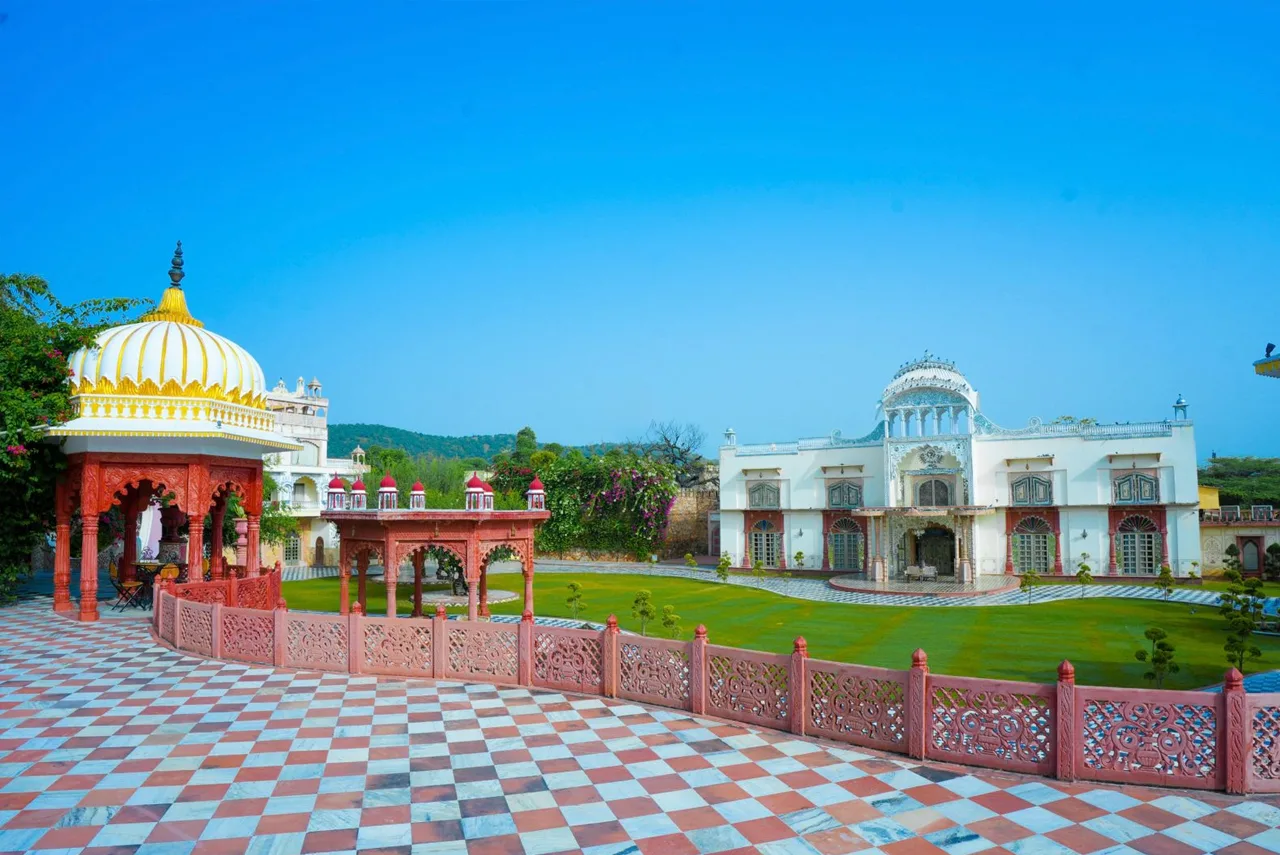
Heritage resorts in Rajasthan offer a sense of timelessness that modern city hotels often cannot replicate. Traditional courtyards, handcrafted interiors, stone architecture, and royal-inspired layouts create an atmosphere that feels connected to local history and identity.
For many international tourists, staying in a heritage-style property becomes one of the most memorable parts of visiting India. The experience extends beyond accommodation and becomes part of the cultural journey itself.
This trend is especially visible among travelers interested in:
- Cultural tourism
- Heritage photography
- Long-stay experiential travel
- Family vacations
- Wellness retreats
- Luxury group travel
- Destination celebrations
The hospitality industry in Jaipur has adapted successfully to these changing traveler expectations by creating environments that feel immersive yet comfortable.
The Rising Popularity of Destination Weddings in Rajasthan
India’s wedding industry has undergone a major transformation. Couples today are increasingly choosing destination celebrations that combine travel, culture, and personalized experiences rather than traditional city banquets.
Rajasthan has become one of the country’s leading wedding destinations because it naturally offers grandeur, heritage architecture, and scenic beauty. Jaipur, with its royal ambiance and excellent connectivity, is now among the most sought-after locations for luxury wedding celebrations.
The rise of the Grand Wedding Resort Jaipur trend highlights how couples now prioritize guest experiences alongside traditional ceremonies. Weddings are no longer single-day events. They often become multi-day celebrations that include entertainment, cultural activities, curated dining, and personalized hospitality.
Many modern destination weddings include:
- Outdoor ceremonies
- Heritage-themed receptions
- Traditional Rajasthani music and dance
- Poolside celebrations
- Welcome dinners
- Wellness activities for guests
- Luxury stay experiences
- Pre-wedding photography sessions
For international guests, attending a wedding in Rajasthan often becomes an introduction to Indian culture itself. The architecture, cuisine, and traditions create an atmosphere that feels both festive and culturally rich.
Open Spaces and Nature-Centric Hospitality
Another important factor driving resort tourism in Jaipur is the increasing preference for open and nature-focused environments. Modern travelers value privacy, greenery, and peaceful surroundings more than ever before.
Large heritage-inspired resorts located away from crowded urban centers provide a different kind of travel experience. Guests can enjoy spacious landscapes, fresh air, outdoor dining areas, and slower-paced environments while remaining connected to luxury hospitality services.
This shift became even stronger after global travel trends began prioritizing wellness and personal space. Travelers today often choose destinations that help them disconnect from urban stress and reconnect with nature.
As a result, many resorts in Rajasthan now emphasize:
- Sustainable landscaping
- Outdoor recreational areas
- Wellness facilities
- Nature-inspired design
- Organic culinary experiences
- Quiet family-friendly spaces
These elements have become important parts of luxury travel rather than optional additions.
Cultural Experiences as Part of Modern Hospitality
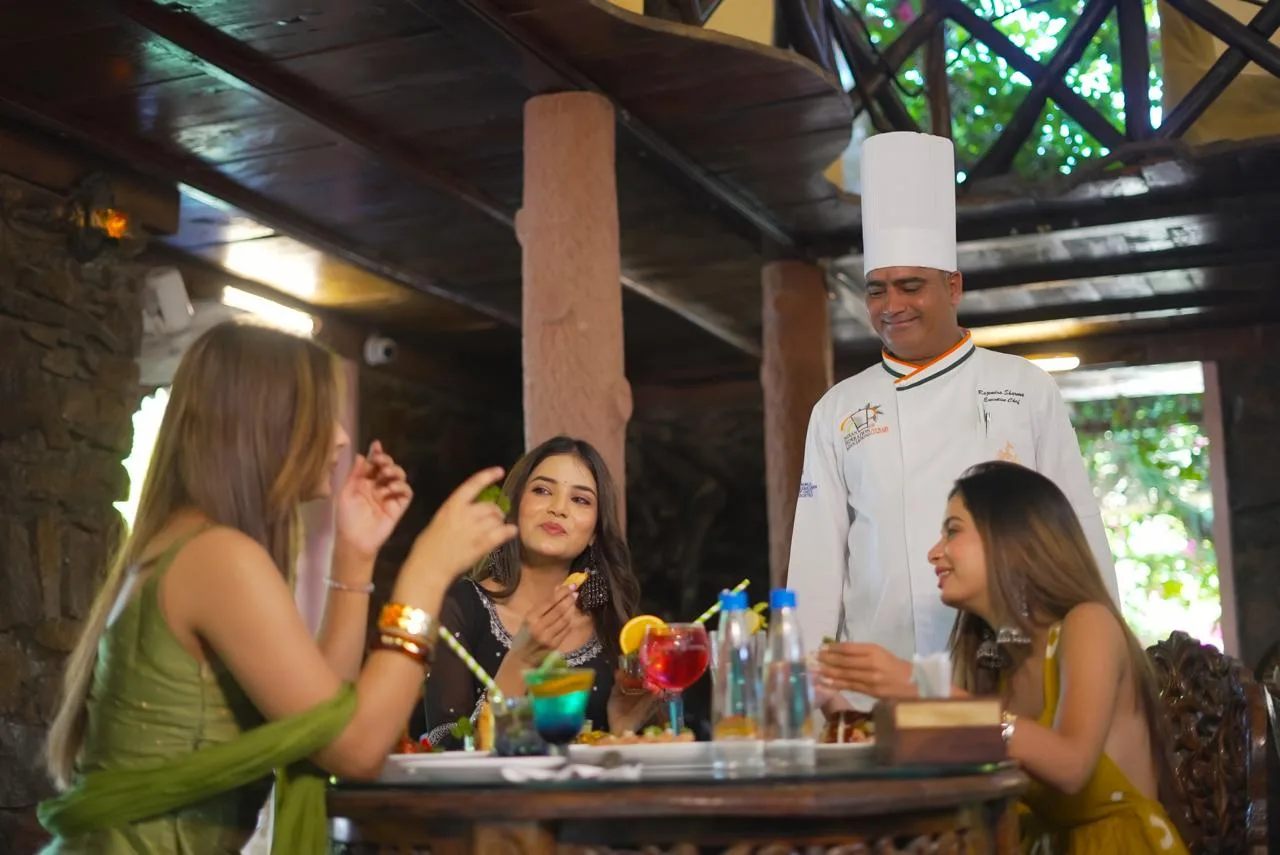
One of Rajasthan’s strongest tourism advantages is its ability to naturally integrate culture into hospitality. Travelers do not need to search separately for cultural experiences because they are often woven directly into the guest journey.
Visitors staying at heritage resorts may encounter:
- Folk dance performances
- Traditional Rajasthani cuisine
- Local handicrafts
- Cultural storytelling sessions
- Village-inspired experiences
- Camel rides and desert-inspired activities
- Traditional welcome rituals
These experiences create emotional engagement, which has become increasingly important in modern tourism. Travelers today want stories they can remember and share, not just accommodation.
Social media has further accelerated this trend. Visually distinctive destinations and culturally immersive experiences often attract travelers seeking meaningful content creation opportunities alongside vacations.
Wellness Tourism and Rajasthan’s Growing Appeal
The global wellness tourism industry has expanded rapidly in recent years. Travelers are increasingly combining holidays with mental relaxation, holistic health practices, and rejuvenation experiences.
Jaipur’s slower pace, heritage surroundings, and natural landscapes make it highly suitable for wellness-oriented travel. Many resorts now integrate wellness-focused experiences into their hospitality offerings, including:
- Yoga and meditation spaces
- Ayurvedic therapies
- Spa retreats
- Nature walks
- Healthy dining experiences
- Mindfulness programs
International tourists particularly appreciate destinations where wellness feels connected to local traditions rather than purely commercialized.
This has positioned Rajasthan as more than a luxury tourism destination. It is increasingly becoming a place for emotional relaxation and lifestyle-oriented travel.
The Importance of Architecture in Luxury Tourism
Architecture plays a major role in how travelers emotionally connect with destinations. Heritage-inspired resorts in Jaipur attract visitors partly because they offer visually rich environments shaped by traditional craftsmanship and regional identity.
Features commonly associated with Rajasthan’s heritage hospitality include:
- Ornamental gateways
- Rajput-style domes
- Decorative arches
- Courtyard-centered layouts
- Stone detailing
- Traditional murals and frescoes
- Handcrafted wooden elements
These architectural details create environments that feel unique and timeless. In the digital travel era, such visually distinctive spaces also perform strongly across photography and travel storytelling platforms.
Travelers increasingly choose destinations based on emotional atmosphere and visual identity, making heritage architecture a major tourism asset.
Sustainable Tourism and Cultural Preservation
Modern tourism discussions increasingly focus on sustainability and cultural preservation. Travelers today are more conscious about supporting destinations that maintain local identity and contribute positively to communities.
Heritage-style hospitality often aligns naturally with these values because it promotes:
- Preservation of regional architecture
- Support for local artisans
- Traditional culinary practices
- Cultural continuity
- Community employment opportunities
As global tourism evolves, destinations that protect their heritage while adapting to modern hospitality expectations are likely to remain highly attractive.
Rajasthan holds a strong position in this area because its tourism identity is already deeply connected to culture and history.
Rajasthan’s Lasting Global Appeal
What makes Rajasthan truly distinctive is its emotional richness. Travelers are not only visiting monuments or staying in luxury accommodations; they are experiencing a living cultural landscape shaped by centuries of tradition.
The idea of a Royal Heritage Stay Rajasthan experience resonates strongly with international travelers because it combines elegance with authenticity. Guests often leave with memories tied not just to architecture or comfort, but also to music, hospitality, cuisine, and cultural immersion.
This deeper emotional connection is what continues drawing global audiences toward Rajasthan year after year.
The Future of Heritage Hospitality in Jaipur
The future of Jaipur’s tourism and hospitality industry appears highly promising. Several global trends continue supporting its growth:
- Increasing interest in experiential travel
- Rising destination wedding tourism
- Expansion of wellness-focused vacations
- Demand for culturally immersive stays
- Growth of luxury family travel
- Social media-driven travel inspiration
- Preference for sustainable tourism experiences
As travelers continue moving toward meaningful and experience-based tourism, Jaipur’s heritage hospitality sector is expected to remain one of India’s strongest luxury travel segments.
For global visitors seeking culture, comfort, and unforgettable experiences in one destination, Rajasthan continues offering something rare in modern tourism — authenticity combined with timeless elegance.