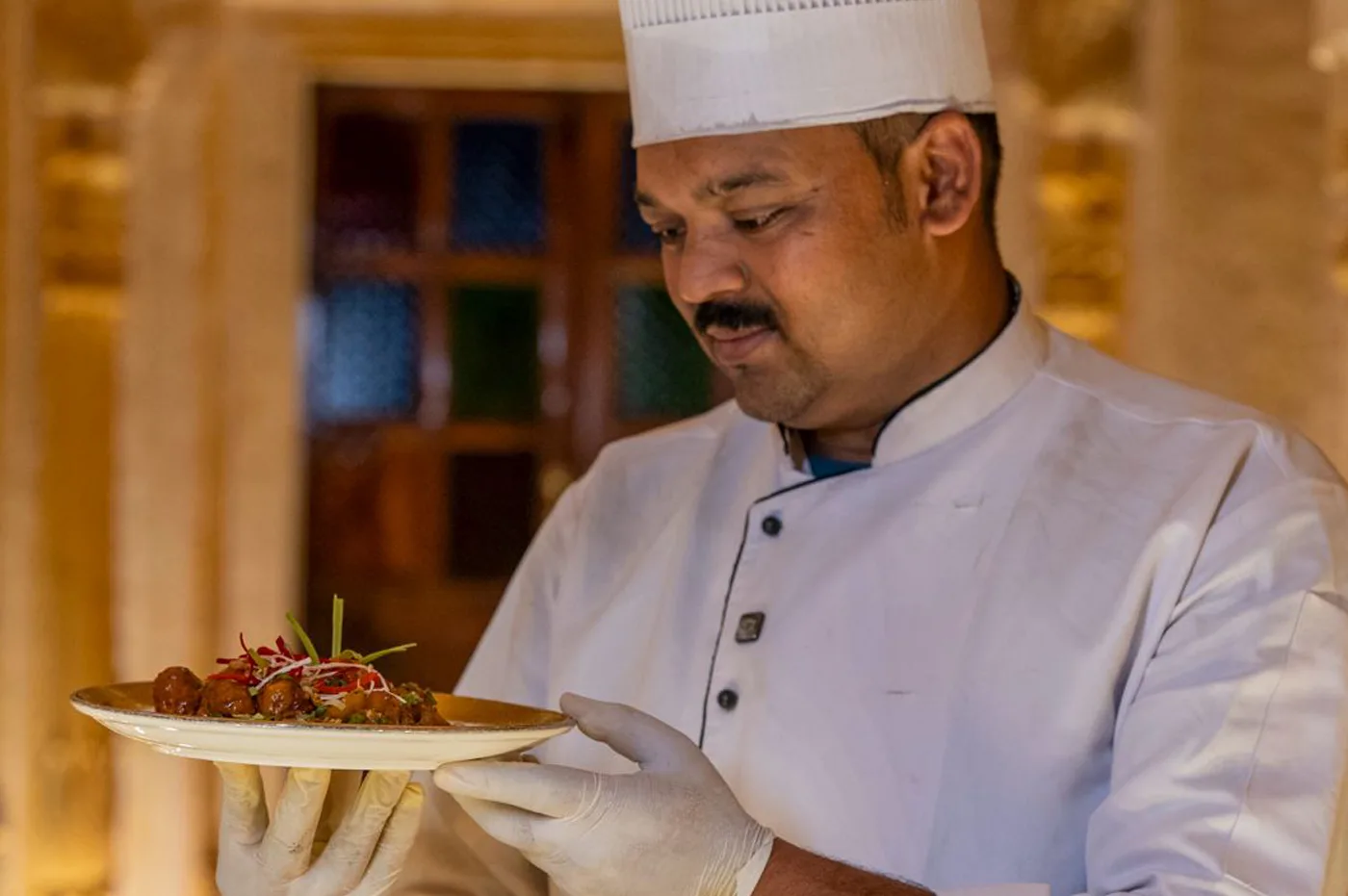
When people plan a trip to Rajasthan, they usually focus on forts, palaces, wildlife sanctuaries, and cultural attractions. Yet one of the most influential parts of any travel experience often receives far less attention: dining. Across the state, restaurants are no longer viewed simply as places to eat. They are becoming cultural spaces where travelers can experience local traditions, regional cuisine, and authentic hospitality.
This shift reflects a broader trend in global tourism. Modern travelers increasingly seek experiences that help them connect with the identity of a destination. Food, perhaps more than any other element, provides a direct window into local culture. A well-prepared meal can tell stories about history, geography, agriculture, and community traditions that guidebooks often overlook.
In Rajasthan, where hospitality has long been considered an extension of cultural heritage, dining experiences are evolving into attractions in their own right.
The Rise of Experience-Based Tourism
Tourism has changed dramatically over the last decade. Travelers are moving away from checklist tourism, where the goal is simply to visit famous landmarks and take photographs.
Instead, many visitors now prioritize experiences that feel authentic and memorable. They want to understand how local people live, what they eat, and how traditions continue to shape everyday life.
This trend has encouraged tourism businesses to create experiences that go beyond sightseeing. Culinary tourism, cultural workshops, heritage walks, and local storytelling events have all grown in popularity.
Food has become one of the most powerful tools for creating meaningful travel experiences because it engages multiple senses simultaneously.
Why Dining Matters More Than Ever
A restaurant visit often becomes one of the most memorable moments of a trip.
Unlike monuments or attractions that may only be visited once, dining experiences encourage guests to slow down, interact with local culture, and spend time with family and friends.
Research across the hospitality industry consistently shows that visitors increasingly evaluate destinations not only by their attractions but also by the quality of their food experiences.
Restaurants that combine excellent cuisine with cultural authenticity often become destinations themselves.
The Growing Appeal of Heritage-Inspired Restaurants
One of the strongest trends in Rajasthan's hospitality industry is the growth of heritage dining.
Travelers are increasingly attracted to restaurants that reflect local architecture, design traditions, and culinary history. These establishments create an atmosphere that helps guests feel connected to the destination.
A well-designed Heritage Restaurant in Bharatpur offers more than traditional décor. It creates an environment where guests can appreciate regional culture through food, hospitality, and ambiance.
This connection between dining and heritage is becoming an important part of Rajasthan's tourism identity.
Family Dining and the Modern Hospitality Industry
Another significant shift is the growing importance of family-focused dining experiences.
Families today are looking for restaurants that provide comfortable environments where multiple generations can enjoy time together.
Parents value safety, cleanliness, and menu variety. Grandparents appreciate comfortable seating and attentive service. Children enjoy spaces that feel welcoming and engaging.
As a result, establishments recognized as the Best Family Restaurant in Bharatpur are increasingly contributing to the city's hospitality reputation.
These venues help create shared experiences that strengthen family connections while supporting local tourism.
What Defines a Premium Dining Experience?
Luxury in hospitality is evolving.
Modern guests are less impressed by extravagance alone and more interested in quality, authenticity, and attention to detail.
Today's diners typically associate premium experiences with:
- Fresh and high-quality ingredients
- Consistent service standards
- Comfortable surroundings
- Thoughtful presentation
- Clean and welcoming environments
- Personalized hospitality
These factors often matter more than elaborate interiors or expensive menus.
A successful Premium Restaurant in Bharatpur understands that exceptional hospitality is built through consistency rather than spectacle.
Why Culinary Tourism Is Shaping Destination Marketing
Many tourism boards around the world now promote food experiences alongside traditional attractions.
This strategy reflects the growing recognition that cuisine plays a major role in how travelers remember destinations.
Visitors who enjoy memorable dining experiences often:
- Stay longer
- Spend more locally
- Recommend destinations to others
- Return for future visits
For cities with strong cultural identities, food becomes an important storytelling tool.
The Future of Hospitality in Rajasthan
The future of Rajasthan's hospitality industry will likely be shaped by experiences rather than infrastructure alone.
Travelers increasingly want authenticity, cultural connection, and meaningful engagement.
Restaurants that successfully combine traditional values with modern expectations will continue to play an important role in the state's tourism ecosystem.
As heritage tourism continues to grow, dining experiences will become even more important in helping visitors understand and appreciate Rajasthan's unique cultural identity.
Final Thoughts
Great travel experiences are rarely defined by a single attraction. Instead, they emerge from a collection of moments that help visitors connect with a destination on a deeper level.
Dining has become one of the most effective ways to create those connections. Through food, hospitality, and cultural storytelling, restaurants contribute significantly to how travelers experience and remember a place.
As Rajasthan's tourism industry continues to evolve, heritage-inspired and family-oriented dining experiences will remain essential components of the visitor journey. They not only support local businesses but also help preserve the traditions and hospitality that make the region one of India's most compelling destinations.
This style is much closer to OmniBuzz's editorial guidelines because the article stands on its own as a tourism and hospitality analysis, while the keywords can be linked naturally once each without making the piece promotional.