Modern businesses must manage multiple responsibilities to operate successfully in competitive markets. Along with focusing on production, sales, and expansion, companies must also follow government regulations related to environmental responsibility, imports, exports, and documentation.
Two important compliance areas that businesses should understand are EPR Registration and EPCG License Redemption. While EPR Registration focuses on environmental responsibility and waste management obligations, EPCG License Redemption relates to completing export obligations under the Export Promotion Capital Goods framework.
Both processes help businesses maintain regulatory compliance, improve operational credibility, and create a stronger foundation for long-term growth.
Understanding EPR Registration
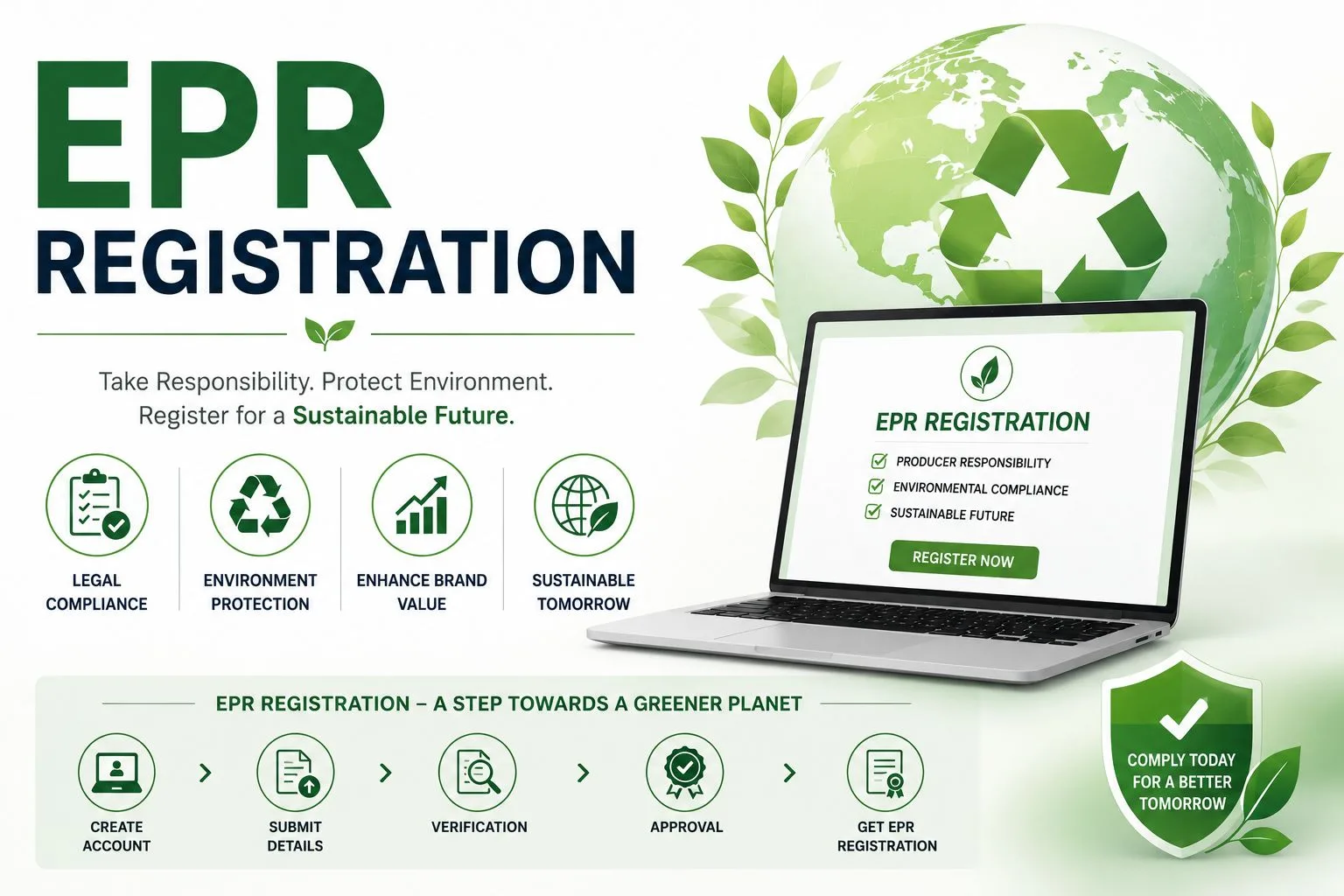
EPR Registration, or Extended Producer Responsibility Registration, is a regulatory requirement designed to ensure that producers, importers, and brand owners take responsibility for managing their products after their useful life.
The objective of EPR is to encourage proper collection, recycling, and environmentally responsible disposal of products such as plastic packaging, electronic items, batteries, and other regulated materials.
Through EPR Registration, businesses demonstrate their commitment to sustainable practices and responsible waste management.
Why EPR Registration Is Important for Businesses
Environmental compliance has become an essential part of modern business operations.
Supports Sustainable Practices
Responsible waste management protects the environment.
- EPR Registration helps organizations develop structured systems for collecting, recycling, and managing waste generated from their products.
- Sustainable practices improve environmental performance while supporting government initiatives focused on resource conservation.
Builds Consumer Trust
Responsible businesses create stronger brand value.
- Customers increasingly prefer companies that demonstrate environmental awareness and follow responsible production practices.
Reduces Compliance Risks
Proper registration prevents regulatory challenges.
- Businesses that maintain EPR compliance reduce the possibility of penalties, legal complications, and operational disruptions.
Industries That Require EPR Registration
Several sectors benefit from maintaining proper EPR compliance.
Plastic Packaging Industry
Responsible plastic management supports sustainability.
- Manufacturers and importers dealing with plastic packaging materials often require EPR Registration to manage collection and recycling responsibilities.
Electronics Industry
Electronic waste requires proper handling.
- Companies involved in electronic products must follow responsible disposal and recycling practices.
Battery Industry
Safe disposal protects resources.
- Battery manufacturers and importers follow EPR requirements to ensure environmentally responsible waste management.
Understanding EPCG License Redemption
EPCG License Redemption refers to the process of officially closing an EPCG authorization after the exporter has successfully fulfilled the required export obligations.
Under the Export Promotion Capital Goods Scheme, businesses can import capital goods at concessional duty rates by agreeing to meet specific export commitments.
Once the export obligation is completed, the business must apply for redemption to receive official confirmation of compliance.
Why EPCG License Redemption Matters
Completing redemption is an important step for exporters.
Confirms Export Obligation Completion
Official approval provides regulatory closure.
- EPCG License Redemption confirms that the exporter has successfully completed the obligations associated with the authorization.
- This helps businesses maintain accurate compliance records.
Prevents Future Complications
Proper closure improves operational clarity.
- Completing the redemption process helps avoid unnecessary issues related to pending export obligations or documentation requirements.
Improves Business Credibility
Compliance strengthens professional reputation.
- Exporters with properly completed EPCG processes demonstrate responsible trade practices to authorities and business partners.
How EPR Registration and EPCG License Redemption Support Business Growth
Although these processes focus on different areas, they contribute to stronger business operations.
Improved Regulatory Management
Compliance creates operational stability.
- Managing environmental responsibilities through EPR Registration and export obligations through EPCG License Redemption helps businesses maintain organized regulatory systems.
Better Business Reputation
Responsible practices improve stakeholder confidence.
- Companies that follow government requirements often develop stronger relationships with customers, investors, and trade partners.
Sustainable Expansion Opportunities
Strong compliance supports growth.
- Businesses with proper documentation and regulatory systems are better prepared to explore new markets and opportunities.
Best Practices for EPR Registration
Effective management ensures continuous compliance.
Maintain Accurate Records
Documentation supports smooth operations.
- Businesses should maintain recycling reports, waste management records, registration documents, and compliance-related information in an organized manner.
Monitor Regulatory Updates
Rules may change over time.
- Regularly reviewing government notifications helps businesses remain prepared for updated requirements.
Work With Reliable Compliance Experts
Professional guidance reduces complexity.
- Experienced consultants can help businesses understand obligations and complete registration processes correctly.
Best Practices for EPCG License Redemption
Proper planning makes redemption easier.
Track Export Obligations Regularly
Monitoring prevents delays.
- Businesses should maintain detailed records of export shipments and obligations throughout the authorization period.
Organize Required Documents
Complete paperwork improves approval chances.
- Export documents, shipping records, installation details, and authorization papers should be maintained properly.
Apply Within Required Timelines
Timely submission avoids complications.
- Businesses should begin the redemption process after fulfilling export obligations to ensure smooth closure.
Long-Term Benefits of Strong Compliance Management
Effective compliance creates lasting advantages.
Reduced Operational Risks
Proper systems prevent disruptions.
- Organized compliance processes help businesses avoid unexpected regulatory issues.
Enhanced Market Reputation
Responsible companies gain trust.
- Environmental responsibility and export compliance demonstrate professionalism and reliability.
Better Business Efficiency
Structured processes improve performance.
- Clear documentation and regulatory management allow businesses to focus more effectively on growth strategies.
Sustainable Business Development
Compliance supports future success.
- Companies that prioritize responsible practices are better positioned for long-term expansion.
Conclusion
EPR Registration and EPCG License Redemption are important compliance processes that support responsible and efficient business operations. EPR Registration helps organizations fulfill environmental responsibilities, while EPCG License Redemption ensures successful completion of export obligations.
By managing both areas effectively, businesses can reduce risks, strengthen credibility, improve operational efficiency, and create sustainable growth opportunities in competitive markets.
Need assistance with regulatory compliance? Get expert support for EPR Registration and EPCG License Redemption to simplify documentation, meet government requirements, and ensure your business continues to grow with confidence.