Unified HR Platforms are transforming how organizations manage employee information by eliminating disconnected systems, fragmented records, and inefficient HR processes. As businesses adopt digital workplaces and distributed workforce models, maintaining accurate employee data has become increasingly important. By bringing recruitment, payroll, performance management, attendance, benefits, and employee records into one connected environment, unified HR solutions are helping organizations improve visibility, strengthen decision-making, and create more consistent employee experiences.
For more info https://hrtechcube.com/unified-hr-platforms/
Understanding the Employee Data Black Hole
When the employee data that HR needs is spread across all kinds of apps, spreadsheets, databases and teams, that's the employee data black hole. HR are used to handling recruitment data in one app, payroll data in another, and performance data through another. How can anyone ever get the full picture?
When employee data is not integrated, organizations waste time locating records, fixing inconsistencies, and moving information from one system to another. These issues can hinder HR processes and add to the administrative load.
For more established businesses, the problem gets even more complex as they grow, adding more employees and department software to the mix Unified HR Platforms address this issue by establishing a centralized environment where workforce information can be collected, updated, accessed, and managed more efficiently.
Why Traditional HR Systems Create Data Silos
Organizations are still relying on a range of disparate standalone HR applications. While each system in themselves may do its job well, not having everything joined up presents operational difficulties.
Let's say an employee switches departments. The change will have to be updated in the employee payroll system, benefits, time and attendance, and organizational management systems. If these updates are done manually, it's easy for information to get out of sync. Certain applications might hold old info, while newer info can be seen in others.
These data silos also reduce collaboration between HR teams, finance professionals, managers, and managers. Leadership. Various departments may have to do reports. Of the staff of various staff, and it will result in unreliable workforce reports.
According to news and updates emerging in HR and Human Resource Current Updates, a view of connected information systems is coming to be crucial and future for managing an organization's contemporary labour procedures. In unison, it takes down undesirable complication and provides a much better base for electronic HR makeover.
How Unified HR Platforms Connect Employee Information
Unified HR Platforms bring different human resource functions Connecters to provide a single technology environment in which all employees and HR staff can work. Rather than going through multiple disparate systems, HR applications will let employees and HR teams work in the same workspace.
Employees can be added to the connected HR ecosystem for onboarding, payroll processing, benefits administration, recruitment, workforce planning, attendance tracking, learning management, and performance management.
As these functions begin to communicate with each other, the changes will be rolled out through each of the other HR processes. For example, employee data gathered during onboarding may aid registration for payroll, benefits, and other organizational records.
The connection reduces duplication of data entry and maintains consistency. HR teams can find employee data within the social context.
Businesses experimenting with effective digital workforce solutions can find further information from HR Tech Articles at HrTech Cube's articles section.
Improving Data Accuracy and Workforce Visibility
Proper employee data helps human resource departments stay organized. Data discrepancies could impact the calculation of payroll, benefits administration, reporting to regulators and even planning for staffing.
Unified HR Platforms ensure information accuracy by centralising employee records and putting standard processes in place for data management. Your HR team can log in and view the most up-to-date data, see what is missing and eliminate duplication between departments.
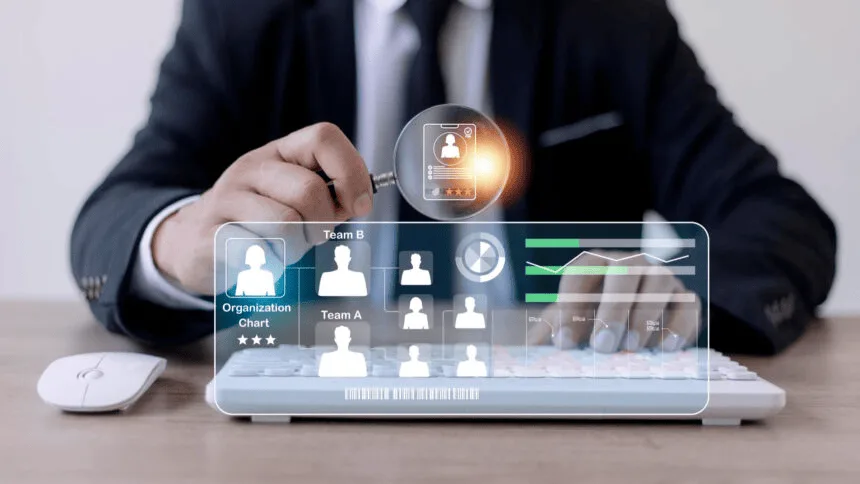
Managers also gain improved personnel visibility on these platforms. Rather than asking teams for different reports, decision-makers can access the necessary employee information through consolidated dashboards and reporting functions.
Example: Organizations can see where employees are located, who is leaving the company, who is being hired, the reason for absenteeism, how many employees are in training, and what are their key performance indicators. This insight enables HR leaders to uncover operational gaps and be more proactive and strategic when making workforce decisions.
Access to data can make communication between HR and business leaders more effective. Instead of use manual reports, Connected data enables you to gain insights into your workforce demand and plan resource strategically.
The Role of Automation in Modern HR Management
Your previous HR systems can not automate your routine HR tasks. Now, an integrated HR system can do them all for you. For instance, HR staff can spend their time on more strategic things like uploading employees' data to the system rather than collecting personnel information and processing leave applications.
Advanced HR technology can help streamline some of these steps via predefined workflows and associated applications.
When a new employee starts at a company, an automatic onboarding workflow can start gathering documents, assigning training, sending notifications to the right parties, and creating an employee profile. Likewise, a leave request can go through a leave approval workflow without the need to send dozens of emails.
Automation alleviates administrative burdens, freeing up HR to focus on people's management, employee experience, and workforce strategy.
Artificial intelligence and advanced analytics are also being used in the HRTech mix as organizations look to uncover workforce trends, enhance reporting and strengthen HR decision making.
Strengthening Employee Experience and Decision-Making
Employee experience is also linked to the ease of access to critical workplace services and information. The ease of reaching out to various departments for payslips, leave balances, benefits information or employment documents impacts daily HR employee experiences.
Alleviating this burden are: Employee Self Service Portals. With unified HR Platforms, Self Service portals enable employees to be able to register requested updates and changes in their profile information, or perform other filing such as requesting for leave, viewing company notices, and accessing employment records.
Making approval procedures simpler and providing managers with team information can also be useful. The system will offer transparency of information and shorten bureaucratic correspondence.
At a leadership level, having centralized workforce data enables HR leaders to make data-based decisions. Leaders can examine retention trends, track workforce expenses, see shifting talent needs and determine where gaps may be.
We keep you informed about developments in HR technology, workplace innovation and digital workforce management to support HR professionals and business managers.
Challenges Organizations Must Consider
Though there are many benefits of a consolidated HR platform, there are some considerations that businesses should focus on. This includes their current technological systems, how these platforms will integrate with each other, the needs of its employees, and the end goals of the business.
HR systems contain sensitive data about employees, such as compensation information, dates of employment and personal details. Data security should be a high priority, focusing on controls on access and encryption, authentication measures, and good data governance practices.
Conversion Migration can also lead to headaches. Companies may need to validate data, eliminate duplicates, and be sure to migrate key employee data over accurately.
Another area to consider is adoption by employees. Training for HR, managers, and employees will be needed so they can understand the new workflows and be familiar with platform features.
By adopting a phased approach, communicating effectively and regularly reviewing the system, organizations can minimize disruption and improve their outcomes.
The Future of Unified HR Platforms
Connected systems, intelligent automation, and workforce insight will shape HR management in the future. Companies will transition from discrete HR applications to connected suites that enable the entire employee lifecycle.
Artificial intelligence, predictive analytics and robust reporting functionality can enable these systems to give even greater insights. They can allow HR teams to identify workforce trends, anticipate future talent needs, and flag impending problems.
More integrations with collaboration software, learning management systems, payroll applications, and enterprise software. As organizations change and evolve, so too will the products and features they require.
Throughout digital transformation, unified platforms will continue to serve as a key enabler for HR teams to shift from recordkeeping towards greater, more strategic workforce management.
Unified HR Systems help organizations dissolve employee data silos by creating one integrated space of HR functions and key employee information. With unified records, automation, enhanced reporting and self-service, organizations can streamline HR processes and reduce administrative burdens, resulting in a more transparent workforce. In the future of HR technology, these systems will be a critical component for organizations focused on having reliable employee data and more effective HR functions.
This news inspired by HR Techcube https://hrtechcube.com/
Unified HR Platforms eliminate employee data silos by connecting payroll, recruitment, performance, and workforce records. Discover how centralized HR technology improves data accuracy, automation, employee experience, and strategic decision-making for modern organizations.