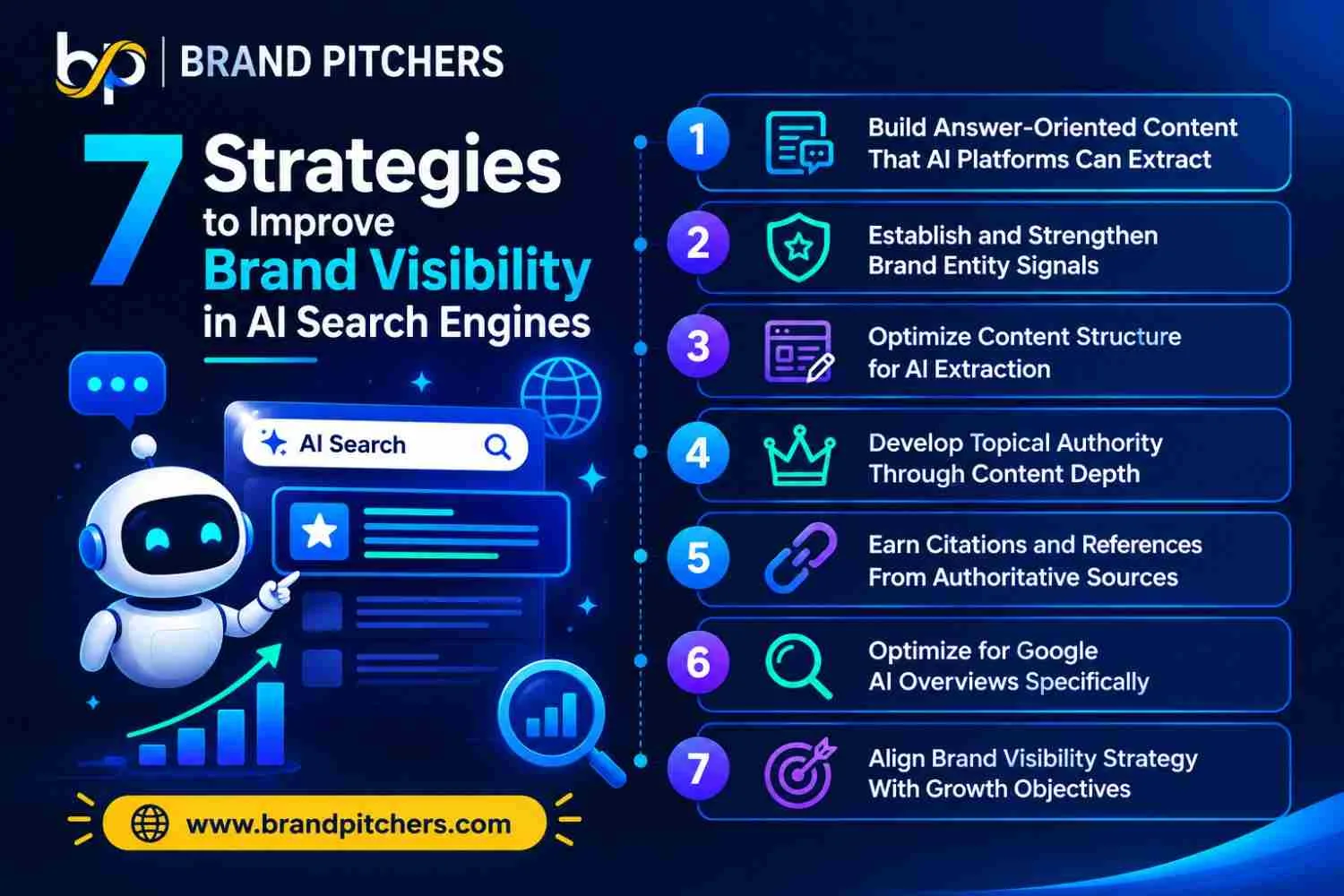

“Businesses are increasingly adopting flexible marketing models to improve efficiency, reduce operational pressure, and adapt to evolving digital consumer behavior”.
The digital economy has transformed how businesses connect with audiences, generate leads, and build long-term customer relationships. As consumer expectations continue to evolve, companies are rethinking traditional in-house strategies and exploring more adaptable approaches to modern marketing. One growing trend is the shift toward flexible marketing structures that combine internal oversight with external expertise.
Over the past few years, businesses of all sizes have faced increasing pressure to maintain visibility across multiple digital platforms. From search engines and email campaigns to social media and video content, the number of channels requiring attention has expanded significantly. Managing all these responsibilities internally can become difficult, particularly for companies operating with lean teams or limited resources.
This shift has fueled interest in outsourced digital marketing as organizations seek scalable solutions that allow them to remain competitive without dramatically increasing operational costs. Rather than hiring large in-house departments, many businesses now collaborate with specialized professionals who bring expertise in strategy, analytics, and platform management. This model allows companies to focus more effectively on core business operations while still maintaining a strong online presence.
One major area where businesses are seeking support is paid advertising. Platforms like Google continue to dominate online search behavior, making search advertising a key driver of website traffic and customer acquisition. However, running effective advertising campaigns requires technical understanding, keyword planning, audience targeting, budget optimization, and ongoing performance analysis. As competition increases across industries, businesses are recognizing the importance of professional Google Ads management to maximize return on investment and reduce wasted spending.
Another important development in digital communication is the rise of social engagement as a business priority. Consumers increasingly expect brands to maintain active, responsive, and authentic communication across platforms such as Instagram, Facebook, LinkedIn, and TikTok. Building this consistency requires time, creativity, and continuous monitoring of trends and audience behavior. Because of these demands, many organizations are now exploring outsourcing social media management to maintain quality engagement without overwhelming internal teams.
The growing reliance on external marketing support is also tied to broader workplace and economic trends. Remote collaboration tools, cloud-based project management systems, and virtual communication platforms have made it easier for businesses to work with experts regardless of geographic location. This flexibility allows organizations to access specialized skills quickly while adapting to changing market conditions.
At the same time, businesses are becoming more data-conscious in their decision-making processes. Marketing performance can now be measured in real time using analytics dashboards, conversion tracking tools, and customer behavior insights. As a result, companies are placing greater emphasis on measurable outcomes rather than simply increasing activity. External specialists often bring advanced reporting methods and industry insights that help businesses interpret data more effectively and make informed decisions.
The demand for expert guidance has also increased in regional business hubs where competition is rapidly growing. In Australia, for example, many businesses are seeking advice from experienced marketing consultants Brisbane and entrepreneurs rely on to navigate changing consumer behavior and digital trends. These professionals often provide strategic direction on branding, customer acquisition, content planning, and campaign optimization while helping businesses adapt to emerging technologies.
An additional factor contributing to this shift is the increasing importance of agility in modern business operations. Consumer trends can change rapidly, and digital platforms frequently update algorithms, advertising policies, and engagement features. Businesses that rely solely on traditional marketing structures may struggle to respond quickly enough. Flexible collaboration models enable companies to access current expertise and respond faster to industry developments.
The concept of outsource marketing has also evolved significantly over the last decade. Previously, outsourcing was often viewed primarily as a cost-cutting measure. Today, it is increasingly recognized as a strategic approach that provides access to specialized talent, diverse perspectives, and scalable resources. Businesses are no longer outsourcing only repetitive tasks; they are also seeking external support for strategic planning, creative development, and digital transformation initiatives.
Consumer trust and online credibility are also becoming more influential in purchasing decisions. Audiences now evaluate brands based on transparency, content quality, customer interaction, and online reputation. Maintaining consistency across all touchpoints requires a thoughtful and coordinated approach. Businesses that successfully integrate strategy, communication, and analytics are often better positioned to build long-term customer relationships.
Looking ahead, flexible marketing structures are likely to become even more common as technology continues to evolve. Artificial intelligence, automation tools, and predictive analytics are reshaping the marketing landscape, creating both opportunities and challenges for businesses. Organizations that combine internal business knowledge with specialized external expertise may be better equipped to adapt to future changes while maintaining operational efficiency.
Ultimately, the growing preference for flexible marketing solutions reflects a broader shift in how businesses approach growth and innovation. Companies are increasingly prioritizing adaptability, expertise, and measurable outcomes in order to remain competitive in a rapidly changing digital environment.
Author Bio:
The author Rob specializes in digital communication trends, outsourced digital marketing strategies, and evolving business technologies. He regularly researches topics related to Google Ads management and modern consumer engagement practices.